This guide explains how to evaluate industrial alkali suppliers for high-purity caustic soda. It covers purity specifications, documentation, logistics, and quality controls to prevent staining in industrial processes.
- Verify purity specifications and impurity limits with technical data sheets before placing orders.
- Request third-party test certificates for every delivery to confirm batch consistency.
- Evaluate supplier logistics and packaging to prevent contamination during transport and storage.
- Build a relationship with the supplier's technical team for troubleshooting and compliance support.
- Use a decision checklist to score suppliers against your specific quality and delivery needs.
Why Stain-Free Alkali Matters
Staining in industrial processes usually traces back to impurities in the alkali feedstock. Even small traces of silica, iron, or other minerals can deposit on surfaces, reducing heat transfer efficiency and complicating cleaning cycles. For buyers sourcing caustic soda, purity is not just a spec sheet line item. It directly affects equipment life, product quality, and maintenance costs.
Consider a heat exchanger used for water treatment. If the alkali feedstock contains particulate matter, those particles can settle on the tubes during operation. Over time, the build-up acts as an insulating layer. The steam or process fluid on the other side cannot transfer heat efficiently. You end up pushing more energy through the system to maintain the same temperature. The result is higher operating costs and shorter service intervals.
Choosing the right supplier means looking beyond price. A low-cost supplier might deliver a product that passes basic tests but contains impurities that cause downstream problems. The goal is to find a source that consistently delivers alkali meeting your specific purity requirements and operational needs. You need a vendor who understands that the chemical composition of the feedstock determines the cleanliness of the final output.
Defining the Purity Standard
Before contacting suppliers, define your purity requirements. Caustic soda comes in different grades, each with different impurity limits. Technical grade caustic soda is often sufficient for general washing and processing. Purity grade or high-purity caustic soda is needed for applications where even trace impurities cause staining or scale.
Review your process requirements with your engineering team. Identify the maximum allowable levels for each impurity. Some processes tolerate a small amount of silica, while others require it to be below trace levels. Document these limits clearly. This specification becomes the baseline for evaluating every supplier you contact. Without a written standard, it is difficult to reject a shipment that fails to meet your internal quality goals.
A common mistake is relying on a single grade label. Two suppliers may both offer “technical grade” caustic soda, but their actual impurity profiles can differ significantly. One might have low iron content, while the other contains higher levels of aluminum. Always request the specific technical data sheet for the exact product lot or grade. The label on the drum tells you what the supplier intends to deliver, not necessarily what is inside.
For food and beverage processing, the impurity profile is even more critical. Trace metals can react with organic acids in the product, causing discoloration or off-flavors. In this context, you may need alkali that meets stricter food safety standards. The specification sheet must list the specific contaminants that are prohibited or strictly limited.
Evaluating Documentation and Testing
Documentation is the first line of defense against impurity issues. Reputable industrial alkali suppliers provide detailed technical data sheets, safety data sheets, and test certificates for each delivery. The technical data sheet lists the chemical composition and impurity limits. The test certificate confirms that the actual product met those limits during manufacturing.
Check the test certificates carefully. Look for third-party testing by a recognized laboratory. Internal testing by the supplier is useful, but independent verification adds a layer of confidence. Some buyers require test certificates for every delivery, while others accept them only for new suppliers or after a quality issue. You need to decide what level of documentation is necessary for your risk tolerance.
Ask about the supplier’s quality control process. How often do they test their product? What methods do they use? For high-purity applications, ask about their capability to test for specific trace elements. A supplier that can provide detailed analytical data is better positioned to meet demanding specifications. If they only test for sodium hydroxide content and not for silica or iron, their data sheet is incomplete for your needs.
Also review the retention samples policy. If a dispute arises over product quality, having a retained sample from the same batch can help resolve the issue. Ask if the supplier holds these samples and for how long. This practice is standard in many chemical industries but is not always communicated clearly during the initial sales conversation.
Logistics and Packaging
Impurities can also enter the product after manufacturing. Packaging and transport play a significant role in maintaining purity. Check what packaging the supplier uses. Drums, totes, and bulk tankers each have different contamination risks.
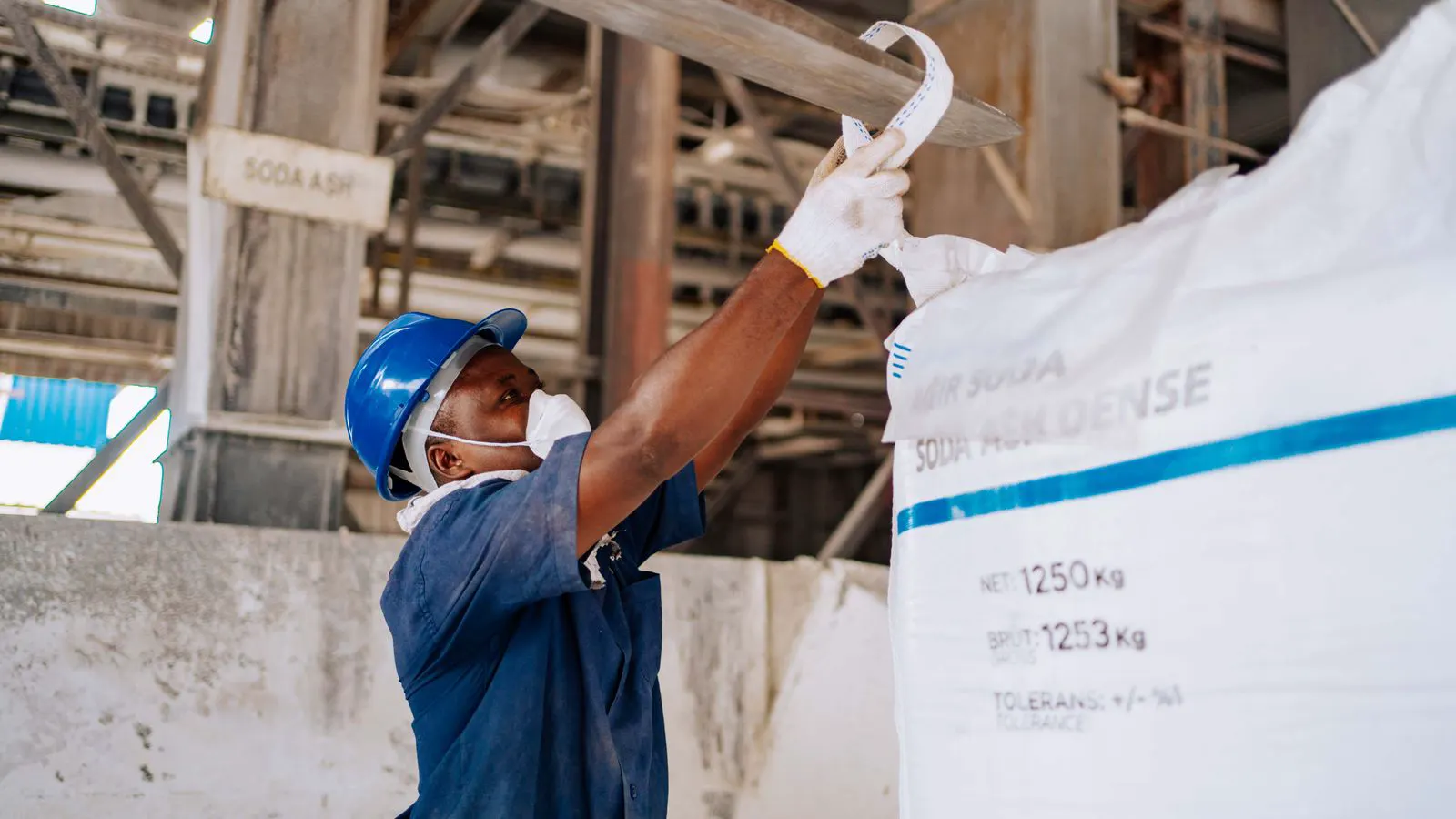
For drummed caustic soda, verify that the drums are lined or made of compatible materials. Corrosive chemicals can react with certain metals, introducing impurities. Ask about the supplier’s packaging standards and whether they offer food-grade or high-purity packaging options. A drum that was previously used for a different chemical can leave residues behind. Cross-contamination is a major source of impurities in bulk chemical handling.
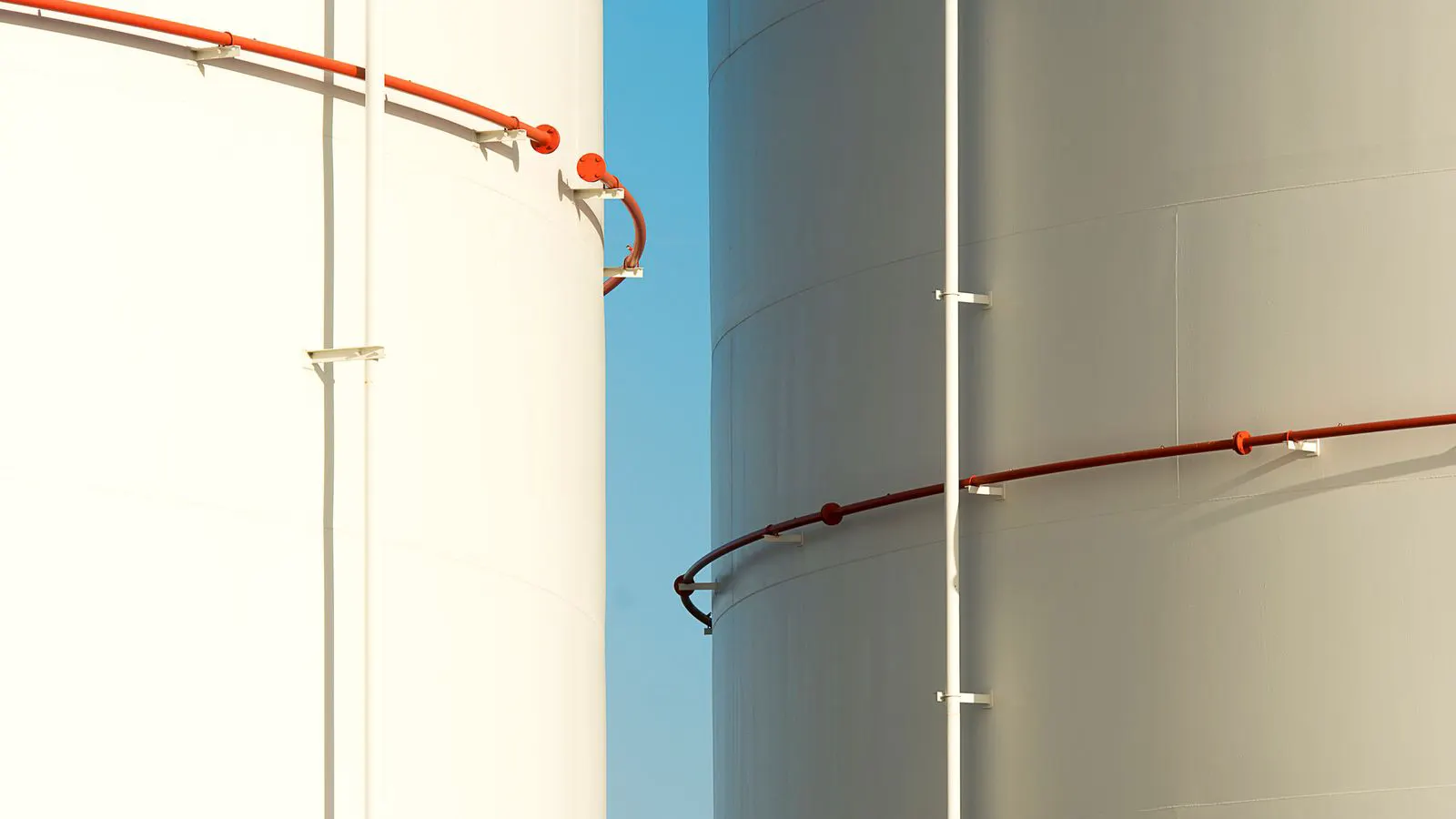
Bulk transport requires attention to the cleanliness of the tanker. If the supplier uses their own tankers, ask about their cleaning procedures. If you use your own tankers, ensure they are cleaned according to protocol before loading. Cross-contamination from previous cargo is a common source of impurities. The cleaning water used in the tanker is a critical factor. If the water is not pure or if the cleaning process is insufficient, contaminants can remain on the tank walls.
Consider the supply chain. A supplier with a short, controlled logistics chain is less likely to introduce contaminants. Ask about their warehouse conditions, handling practices, and whether they store caustic soda in dedicated facilities. A warehouse that stores caustic soda near fertilizers or other mineral-based products poses a higher risk of airborne dust contamination. The physical environment where the product is stored matters as much as the manufacturing process.
Building a Supplier Relationship
A good supplier relationship goes beyond transactions. The supplier’s technical team can help you troubleshoot quality issues, review your specifications, and suggest improvements. They may also provide information about regulatory changes or new product developments.
When evaluating suppliers, ask about their technical support. Do they have a dedicated contact for quality issues? How quickly can they respond to a complaint? A supplier that takes quality seriously will have a clear process for handling non-conforming shipments. You want a vendor who treats a quality claim as a serious operational issue, not just a customer service ticket.
Discuss your quality requirements during the initial conversation. Explain why purity matters for your process. A supplier who understands your application will be more responsive to your concerns. They may also provide references from other customers with similar needs. Knowing how a supplier performs for a client with a comparable process is a strong indicator of their reliability.
Avoid choosing a supplier solely on price. A cheap supplier that causes staining or equipment damage will cost more in the long run. Factor in the total cost of ownership, including potential downtime, cleaning costs, and equipment replacement. The initial saving on the purchase price may be wiped out by the maintenance costs associated with impure feedstock.
Decision Checklist
Use this checklist to score potential suppliers. Assign a weight to each criterion based on your priorities. A supplier that scores well across all categories is likely to be a reliable source of stain-free alkali.
- Purity specifications: Do they offer a grade that meets your impurity limits?
- Documentation: Do they provide detailed technical data sheets and test certificates?
- Testing: Do they use third-party testing for verification?
- Packaging: Do they use compatible, contamination-free packaging?
- Logistics: What are their transport and handling practices?
- Technical support: Do they have a responsive technical team?
- References: Can they provide references from similar customers?
- Compliance: Do they follow relevant safety and environmental regulations?
Sample Evaluation Criteria
| Criterion | What to look for | Why it matters |
|---|---|---|
| Purity Grade | Specific impurity limits matching your process needs | Prevents staining and scale formation |
| Test Certificates | Third-party verification for each delivery | Confirms product quality and consistency |
| Packaging Type | Compatible materials, lined drums, or bulk tankers | Prevents contamination during storage and transport |
| Quality Control | Regular testing, clear non-conformance process | Ensures ongoing compliance and quick issue resolution |
| Technical Support | Dedicated contact, responsive troubleshooting | Helps maintain quality and solve problems fast |
| Logistics | Clean tankers, dedicated storage, short supply chain | Reduces risk of cross-contamination |
Conclusion
Selecting stain-free alkali suppliers requires a systematic approach to purity, documentation, and logistics. Focus on suppliers that can verify their product quality through independent testing and provide detailed documentation. Evaluate their packaging and transport practices to prevent contamination after manufacturing. Build a relationship with a supplier who offers technical support and references.
Use the criteria table and decision checklist to compare suppliers objectively. Document your requirements and share them with potential vendors. This ensures you are evaluating them against the same standard. The right supplier will not only deliver the right product but also support your quality goals over time.
Start by defining your purity specifications and testing requirements. Then, contact three to five suppliers for quotes and technical information. Review their documentation and packaging practices. If possible, request a sample batch for testing before committing to a long-term supply agreement.
Frequently asked questions
How do I verify the purity of caustic soda before ordering?
Request the technical data sheet and a third-party test certificate for the specific grade. You can also ask for a sample to test in your own laboratory if your quality standards are strict.
What is the difference between technical grade and high-purity caustic soda?
Technical grade has higher impurity limits and is suitable for general processing. High-purity caustic soda has stricter limits on trace elements and is used in applications where staining must be prevented.
Can packaging affect the purity of alkali?
Yes. Incompatible packaging materials can react with caustic soda and introduce impurities. Use lined drums or compatible bulk tankers to maintain product quality.
How often should I request test certificates?
For new suppliers or after a quality issue, request certificates for every delivery. For established suppliers, you may agree on a periodic sampling schedule based on your internal quality plan.
What should I do if a delivery fails my purity tests?
Notify the supplier immediately with your test results. Follow their non-conformance process, which may involve quarantine, return, or replacement of the product.