
Acids & Alkalis
Buyers Guide: Selecting Stain-Free Alkali Suppliers
This guide explains how to evaluate industrial alkali suppliers for high-purity caustic soda. It covers purity specifications, documentation, logistics, and quality
Practical guides on selecting, storing, and handling common acids and alkalis for industrial processes.
This guide explains how to evaluate industrial alkali suppliers for high-purity caustic soda. It covers purity specifications, documentation, logistics, and quality

A safe caustic soda dilution station requires a dedicated mixing vessel, proper PPE, and a strict add-alkali-to-water procedure. This guide covers sizing, materials, and
Sulfuric acid cost shifts based on concentration, packaging, and delivery method. Higher purity usually costs more but reduces dilution logistics. Lead time depends on
Alkali clogging in piping happens when solids form, materials degrade, or flow stops. This guide lists symptoms, causes, and fixes. It covers caustic soda maintenance
Procurement managers should evaluate industrial acid suppliers by checking technical compliance, logistics capability, and financial stability. A structured chemical
This audit checklist covers the physical, administrative, and emergency controls required for safe acid and alkali storage. It helps engineers and buyers verify
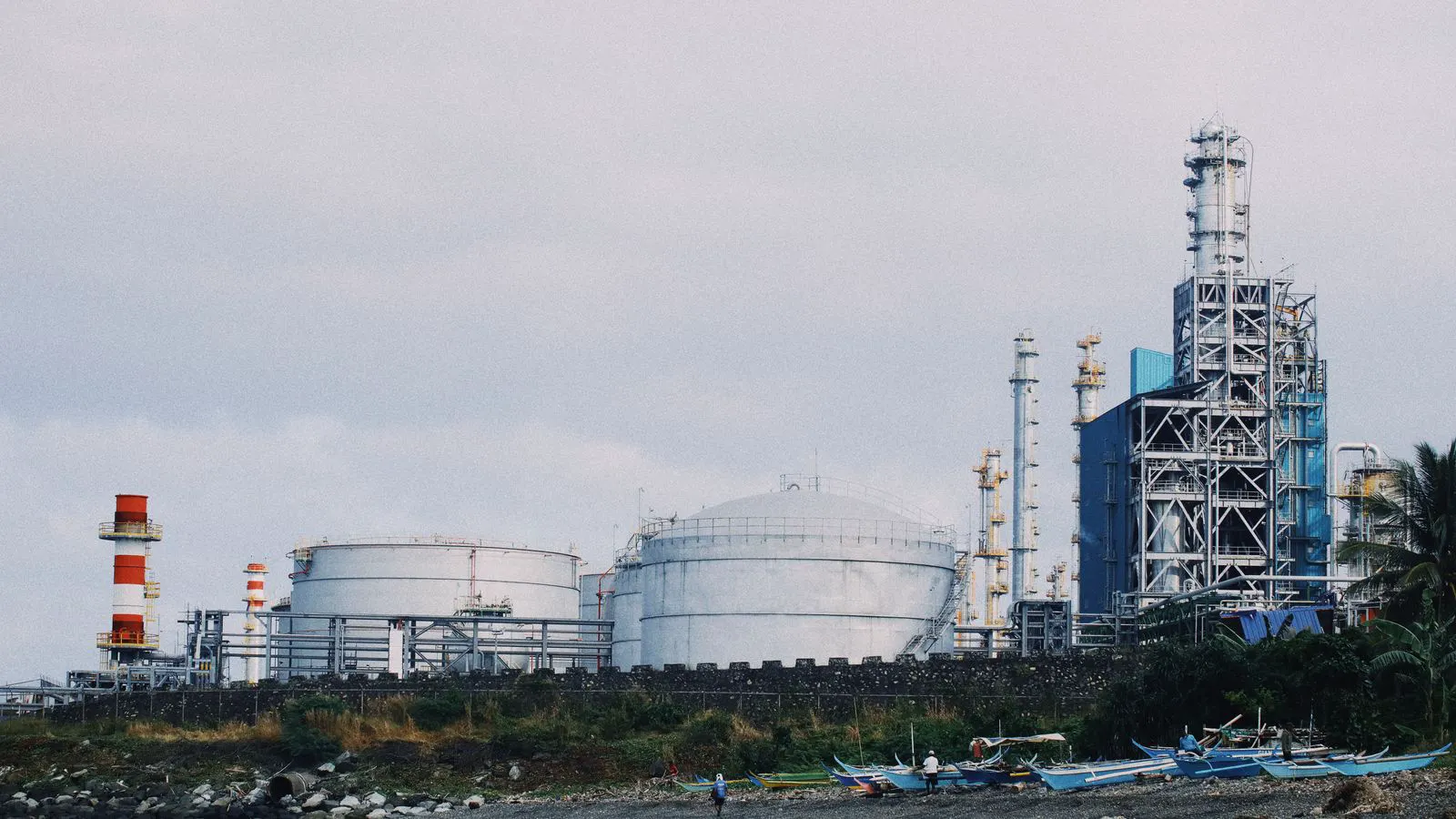
Alkali dilution adjusts caustic soda strength by adding water. It changes process efficiency, corrosion risk, and logistics. Understanding concentration needs prevents
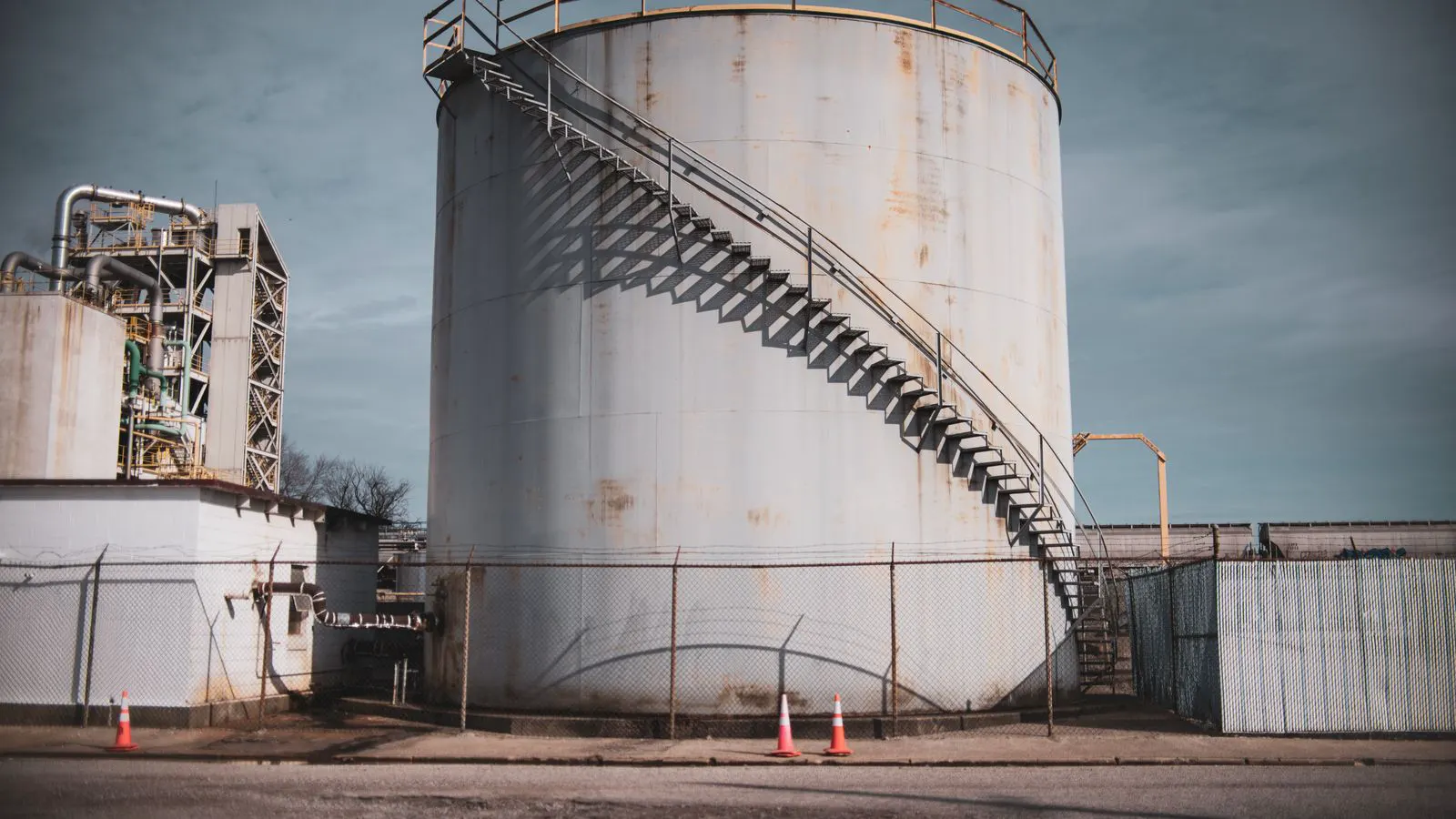
Safe bulk caustic soda storage handling requires compatible materials, dedicated PPE, controlled transfer rates, and strict containment. This guide outlines the
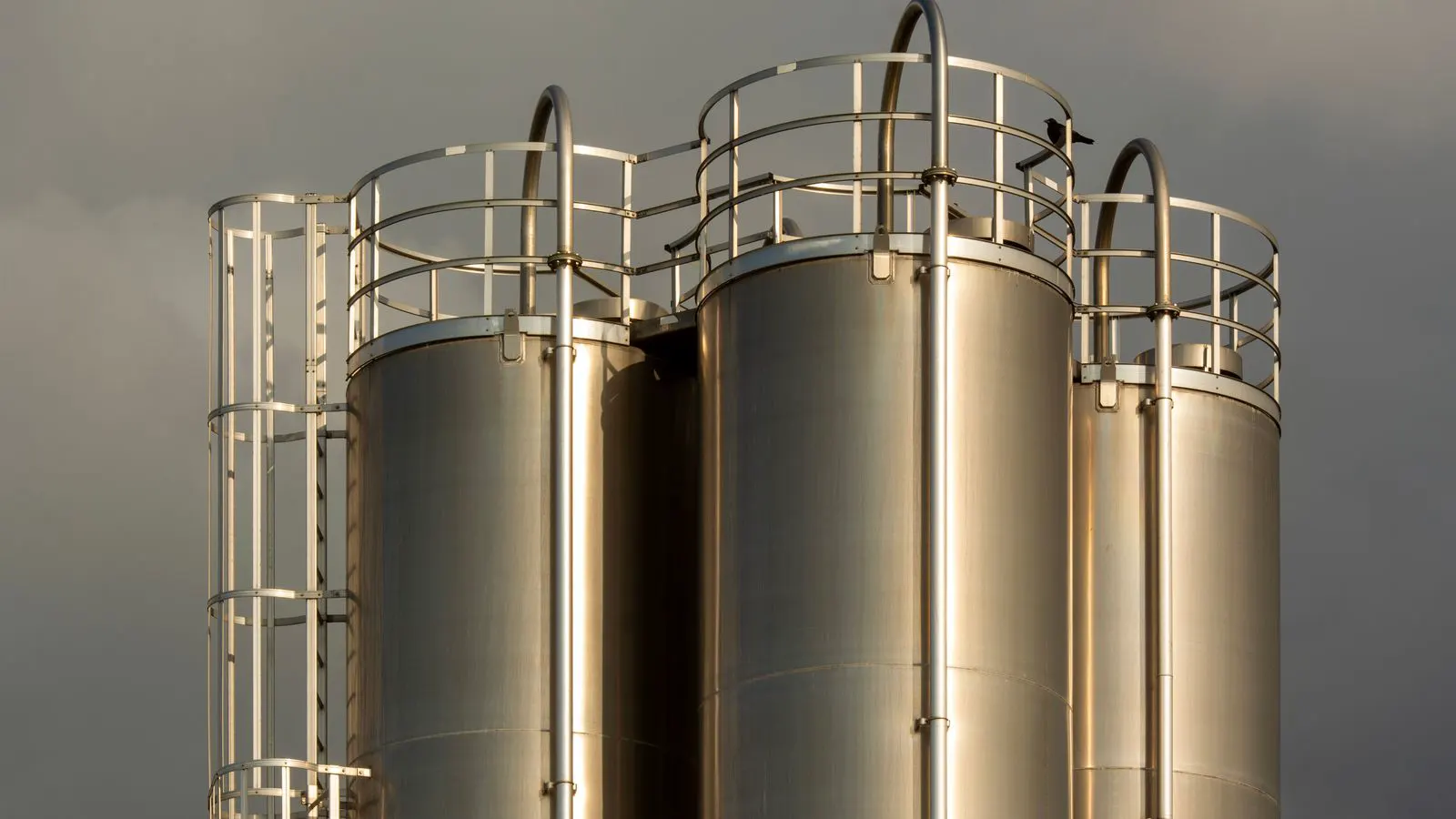
Engineers select between hydrochloric and sulfuric acid based on corrosion impact, reaction chemistry, and waste disposal. Hydrochloric suits chloride-based reactions
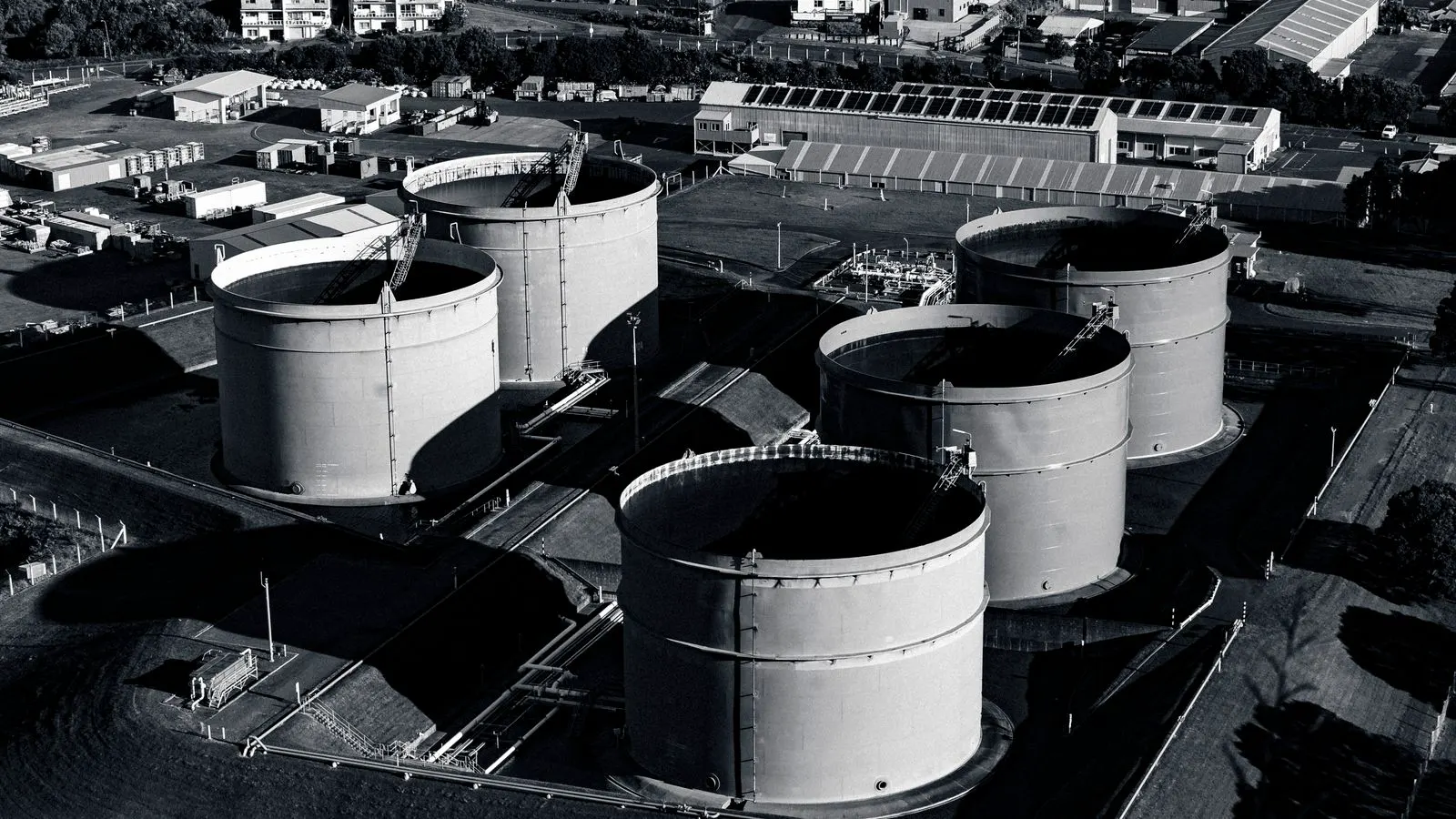
Caustic soda cost and lead time fluctuate due to raw material inputs, shipping routes, energy costs, and plant capacity. This guide explains the core drivers, how to
Procurement leaders should focus on regional supply constraints, raw material costs, and logistics bottlenecks. Planning for chemical price volatility requires long-term