Solvents
Industrial Solvent Selection: Balancing Cost and Lead Time
Selecting industrial solvents requires balancing solvent cost against reliable delivery schedules. This guide explains what drives price, how supply chain factors affect
Practical chemical knowledge for procurement and engineering teams.

Buying industrial chemicals requires matching technical specifications, verifying quality, and comparing logistics costs before committing to a supplier. This site supports those decisions with clear information on acids, solvents, specialty grades, and handling requirements.
The content covers the practical side of procurement. It explains how to read technical data sheets, evaluate regulatory compliance, and assess supplier reliability. Readers use the guides to prepare for negotiations, select appropriate grades, and reduce the risk of receiving off-spec material.
Start with the stage of the sourcing process you are in.
Practical guides on selecting, storing, and handling common acids and alkalis for industrial processes.
Information on solvent properties, compatibility, and best practices for safe and efficient industrial use.
In-depth insights into niche chemical products, their applications, and how to choose the right formulation.
Clear guidance on PPE, storage, transport, and emergency procedures for handling industrial chemicals safely.
An overview of key regulatory frameworks, labeling requirements, and compliance steps for chemical buyers.
Practical advice on understanding chemical pricing trends, order volumes, and global shipping and delivery.
A neutral framework for evaluating supplier reliability, quality, certifications, and service for chemical procurement.
Selecting industrial solvents requires balancing solvent cost against reliable delivery schedules. This guide explains what drives price, how supply chain factors affect

Procurement leaders should focus on regional supply constraints, raw material costs, and logistics bottlenecks. Planning for chemical price volatility requires long-term

Inconsistent purity in bulk chemical receiving usually stems from sampling errors, storage issues, or supplier QA gaps. Fix this by verifying certificates, testing
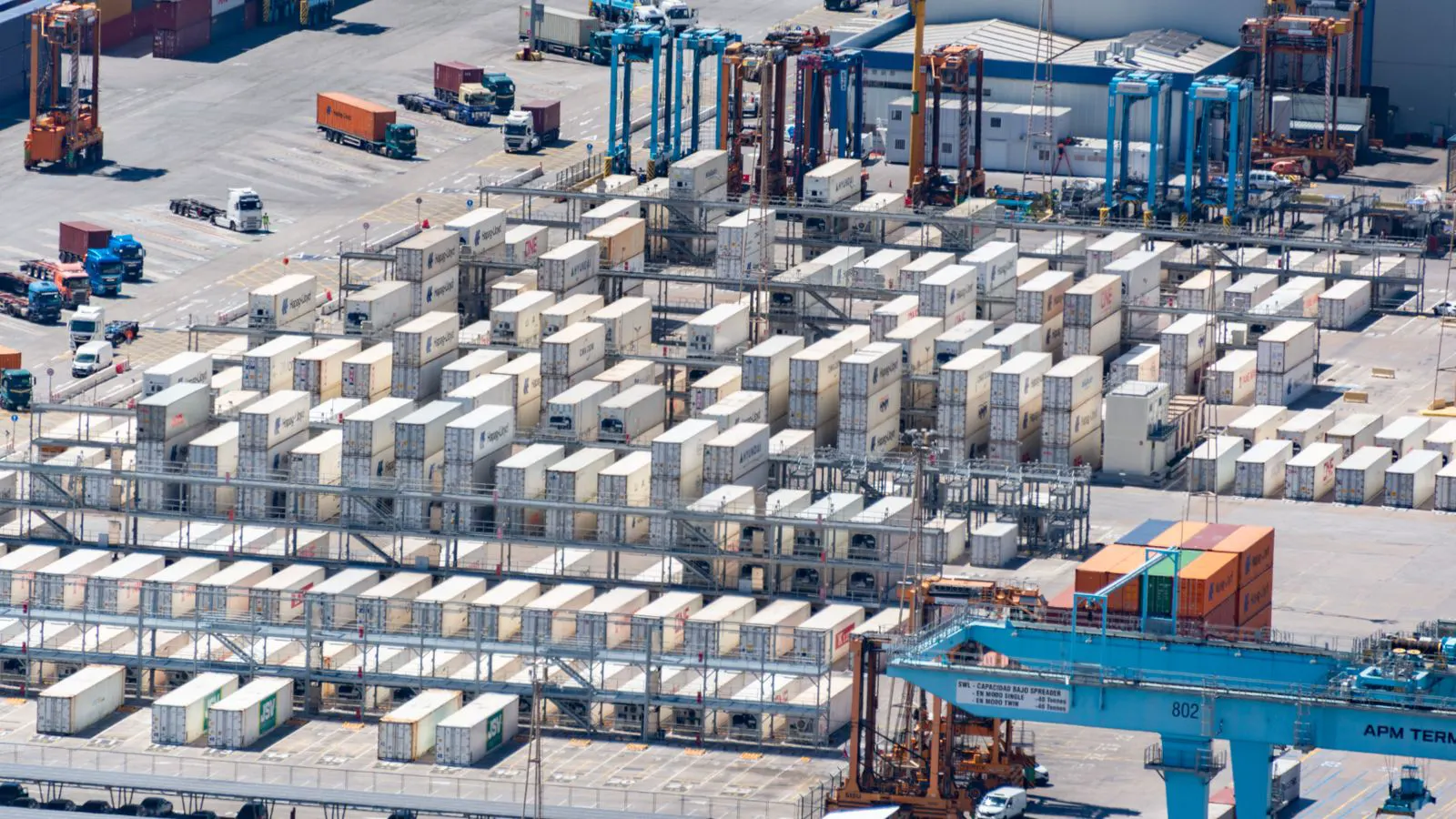
Bulk chemical logistics costs are driven by order volume, transport mode, route complexity, and safety classification. Larger orders lower per-unit freight through
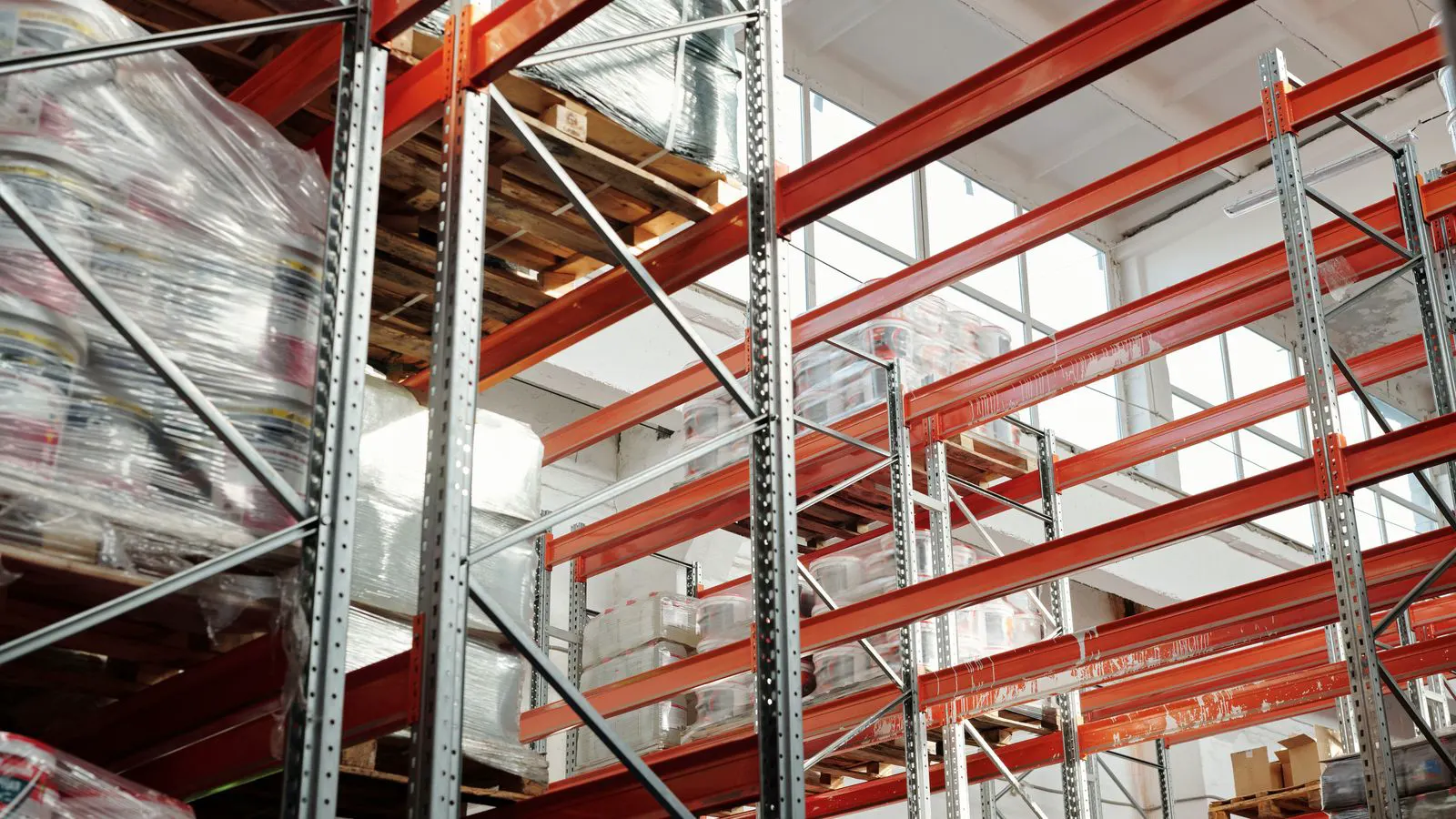
Procurement managers can control solvent storage costs and lead times by standardizing container sizes, specifying material compatibility, and requesting total landed

Procurement managers face shifting demand in specialty chemicals. This outlook identifies six key trends affecting performance chemicals and industrial additives. It
Request technical data sheets for both options. Compare purity, impurities, physical properties, and packaging standards. Check if the specs match your process requirements before evaluating price.
Bulk delivery usually involves tank trucks or IBCs and is cost-effective for high volumes. Packaged supply uses drums or bags and offers flexibility for smaller quantities. The choice depends on your storage capacity and usage rate.
Lead times depend on inventory levels, production schedules, and shipping routes. Specialty chemicals may have longer lead times due to batch processing or regulatory documentation requirements. Always confirm delivery windows in writing.
Compliance is mandatory. Non-compliant chemicals can cause shipment delays, fines, or production shutdowns. Review SDS documents, check local regulations, and verify supplier certifications before placing an order.
Check packaging integrity, verify batch numbers, and compare physical appearance against the SDS. For critical applications, run lab tests for purity and impurities before using the material in production.
Check their track record, financial stability, and technical support. Request references and verify insurance coverage. Start with a trial order to assess quality consistency and reliability before committing to long-term contracts.