
Regulations & Compliance
Explainer: SDS vs CoA in Chemical Procurement
SDS guidelines define safety handling, while a certificate of analysis verifies chemical composition. Buyers use both documents to control quality, manage risk, and meet
An overview of key regulatory frameworks, labeling requirements, and compliance steps for chemical buyers.
SDS guidelines define safety handling, while a certificate of analysis verifies chemical composition. Buyers use both documents to control quality, manage risk, and meet

GHS and REACH are distinct regulatory frameworks with different labeling triggers. GHS focuses on hazard communication standards, while REACH imposes specific

Procurement teams should plan for stricter supply chain documentation, digital reporting mandates, and expanded substance restrictions. Early supplier audits and updated

Regulatory adherence adds direct financial burden and delivery risk to chemical procurement. Compliance requirements drive costs through documentation, testing, and

Chemical labeling must clearly identify hazards and usage restrictions. This guide breaks down the specific elements required on compliant labels, explains how they

SDS inconsistencies often stem from product variability or documentation errors. Engineers can resolve mismatches by verifying GHS classifications, reviewing batch

Assessing regulated chemical vendors requires checking regulatory compliance through supplier vetting and certifications. This guide outlines practical criteria for

Managing chemical import compliance requires aligning regulatory documentation with customs requirements. This process ensures legal entry for bulk chemicals by
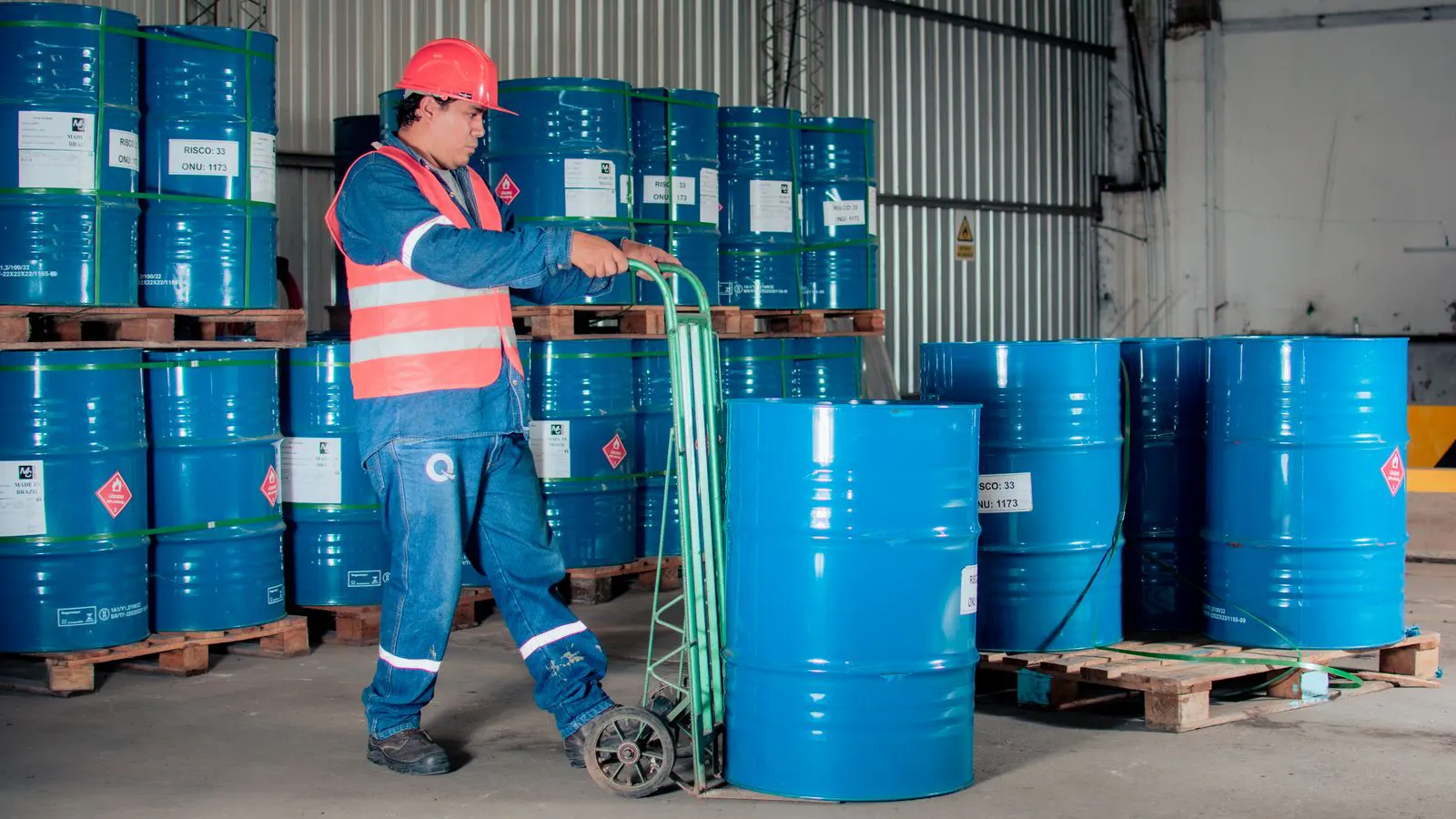
Procurement teams should anticipate stricter labeling, digital reporting, and supply chain transparency rules. Early compliance planning reduces disruption and cost.

GHS sets global hazard classification, but local rules dictate label layout, language, and extra warnings. Importers must map GHS data to regional requirements to avoid

A structured SDS review checklist helps buyers verify safety documentation for incoming materials. It covers document accuracy, hazard identification, handling controls