Safe bulk caustic soda storage handling requires compatible materials, dedicated PPE, controlled transfer rates, and strict containment. This guide outlines the prerequisites and procedural steps needed to protect personnel and infrastructure from caustic exposure and corrosion damage.
- Use compatible materials for all wetted surfaces to prevent catastrophic corrosion.
- Maintain dedicated PPE and emergency equipment at every transfer point.
- Control transfer rates and monitor tank levels to avoid foaming and overfilling.
- Implement a clear emergency response plan for spills and contact incidents.
Preparing the Facility and Equipment
Before moving a single kilogram of caustic soda, the physical site must be verified for compatibility and readiness. Caustic soda, chemically known as sodium hydroxide, is a highly corrosive alkali that attacks many common materials. It reacts violently with water, releasing significant heat, and it causes severe burns to skin and eyes. The facility must be assessed for drainage, containment, and proximity to incompatible chemicals.
Check the material of construction for every component that will contact the liquid. Stainless steel is the standard choice for bulk storage, but specific grades are required. Avoid carbon steel, which can be rapidly destroyed by concentrated caustic. Also avoid aluminum and copper alloys, which react with strong alkalis. Verify that all gaskets, seals, and valve seats are made of compatible elastomers, such as PTFE or EPDM, rather than standard natural rubber.
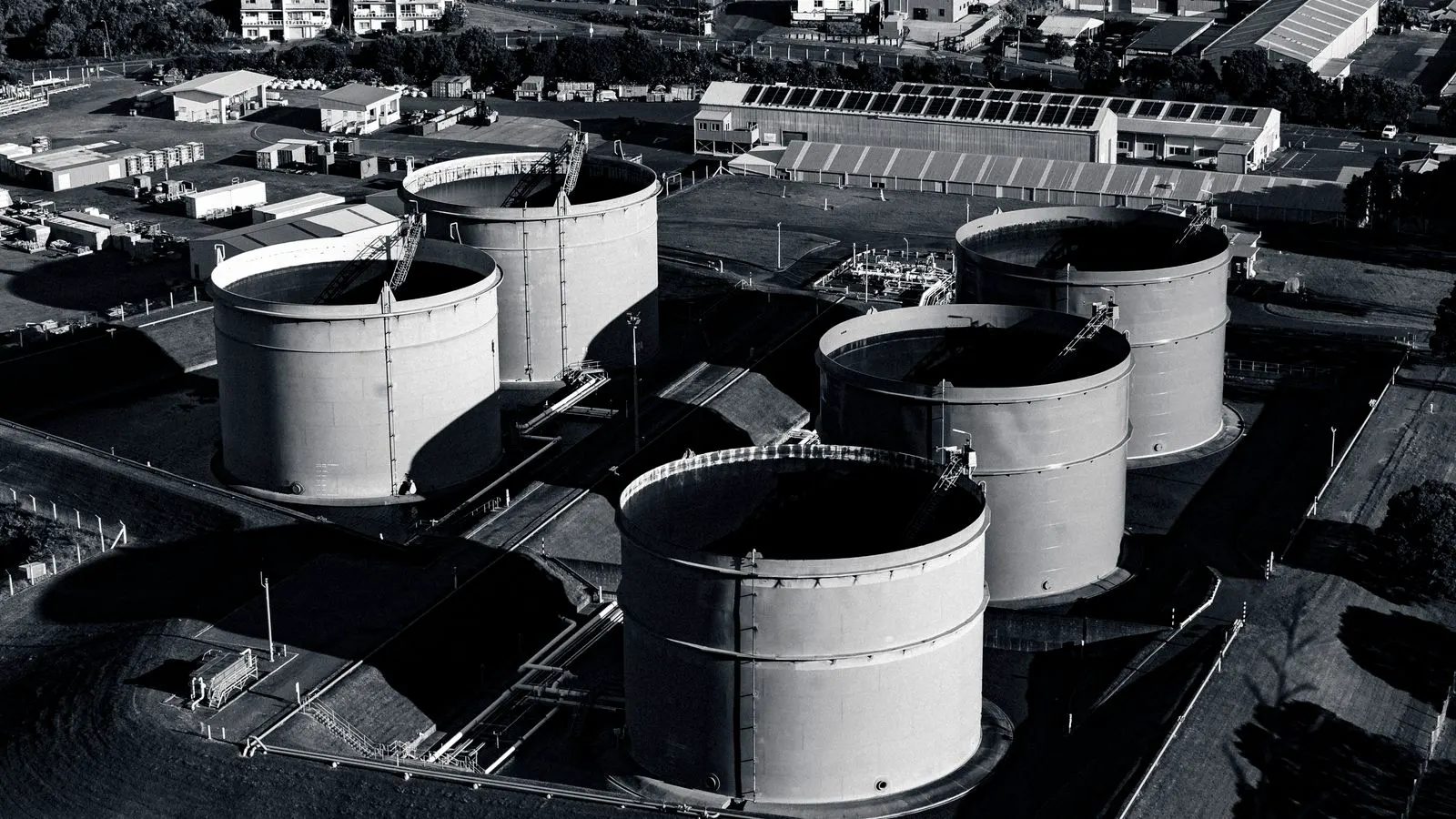
Set up the drainage system. The area under the tanks and transfer lines must have a sloped concrete apron that directs any spill toward a neutralization pit or a dedicated drain. This drain must connect to a neutralization tank, not the general sewer. Have a supply of water for dilution and a supply of neutralizing agent, such as dilute sulfuric or phosphoric acid, on site. Never mix caustic with acids in an uncontrolled manner, as the reaction is exothermic.
Selecting and Inspecting the Storage Containers
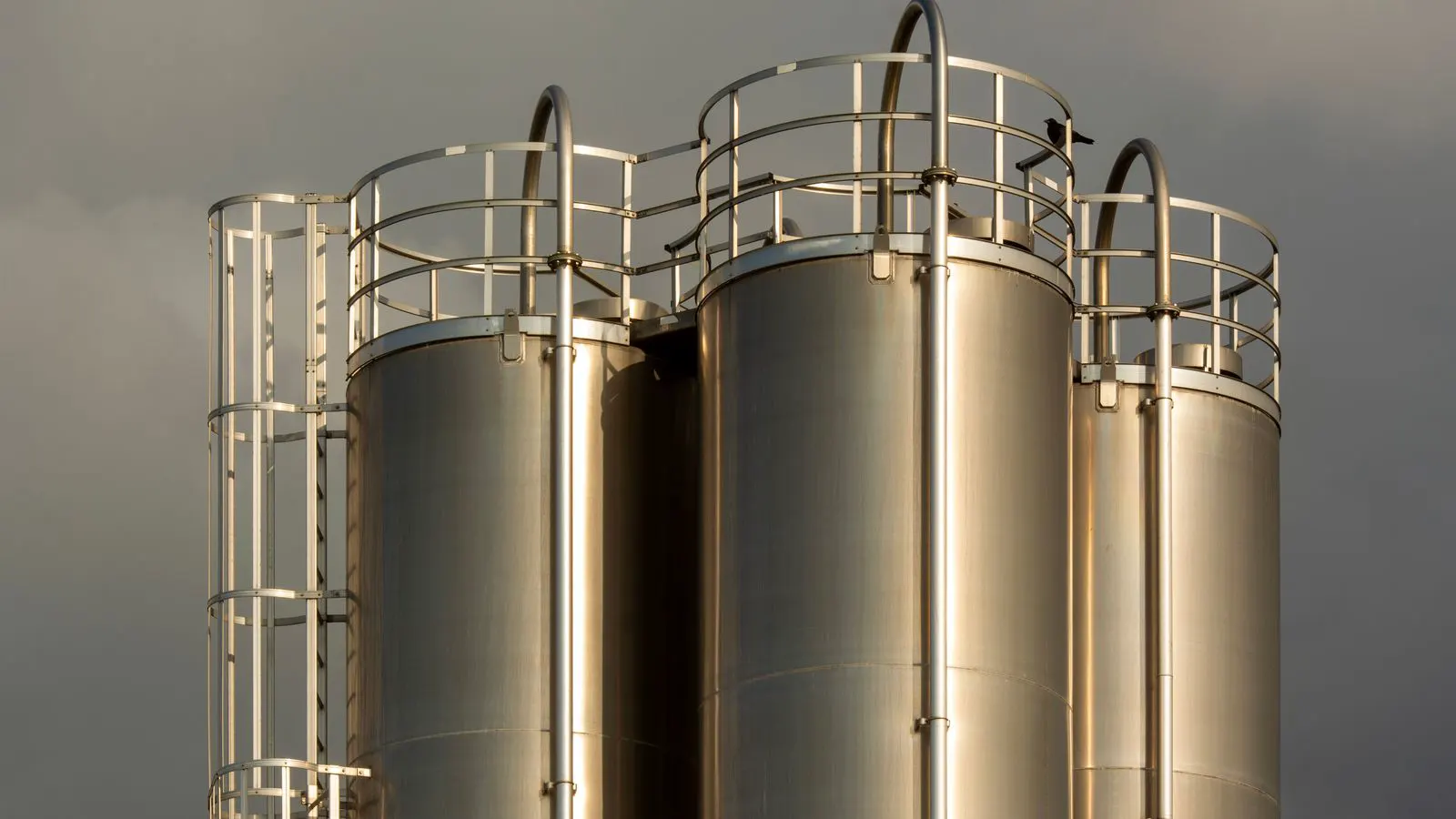
The container itself is the primary defense against leakage. For bulk storage, you will typically use fixed tanks or portable IBCs (Intermodal Container for Bulk). Fixed tanks are preferred for large-scale operations due to their stability and ease of integration with transfer systems. IBCs offer flexibility for smaller batches or seasonal demand.
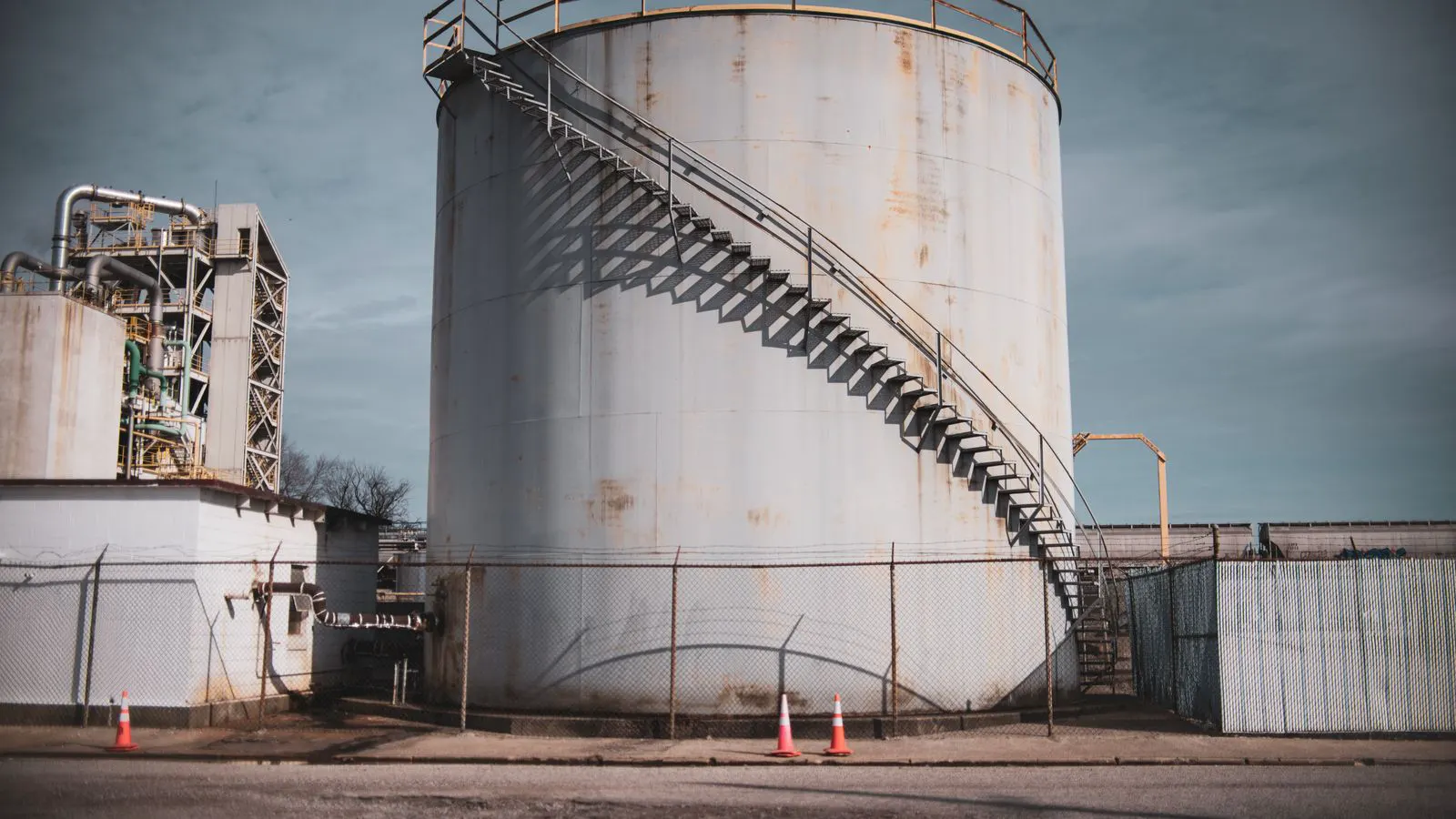
Inspect the exterior of the tank for any signs of corrosion or physical damage. Look for weeping at weld seams, rust on external surfaces, or dents that could weaken the structure. For stainless steel tanks, check for pitting, which is a form of localized corrosion. If you see pitting, the tank must be taken out of service for inspection and repair.
Check the internal condition of the tank. If the tank has not been inspected in a long time, schedule a visual or ultrasonic thickness inspection. Internal buildup or pitting can compromise the integrity of the vessel. Ensure the tank is properly grounded to prevent static electricity discharge, which can ignite flammable vapors in the surrounding area.
Equipping the Personnel and Safety Gear
Personal protective equipment (PPE) is the last line of defense. For handling bulk caustic soda, standard safety glasses are not enough. You need chemical splash goggles or a full face shield to protect against splashes. The face shield must be worn over the goggles for maximum protection.
For hand protection, use chemical-resistant gloves made of laminate or nitrile. Check the breakthrough time for the specific concentration of caustic you are handling. For high concentrations, you may need double gloving. Wear acid-resistant boots with chemical-resistant footwear covers to prevent splash-back. The body should be covered with a chemical-resistant apron or suit, depending on the task.
Ensure that a dedicated eye wash station and safety shower are located within 10 seconds of the transfer point. These units must be tested regularly to ensure they are operational. Keep a first-aid kit stocked with burn ointment and neutralizing agents, but remember that the primary treatment for chemical burns is immediate, copious flushing with water for at least 15 minutes.
Executing the Transfer Process
The transfer of caustic soda from one container to another requires strict control to prevent foaming, splashing, and overfilling. Use a dedicated transfer pump that is rated for caustic service. The pump should be a diaphragm pump or a centrifugal pump with compatible wetted parts. Avoid using air-driven pumps that can introduce contaminants or cause foaming.
Start the pump slowly. Allow the flow to stabilize before increasing the rate. Monitor the receiving tank level closely. Caustic soda is dense, so the level may not rise as quickly as you expect. Use a level gauge or a dip tube to verify the fill level. Never let the tank overflow. If the level is close to the maximum, stop the pump and allow the tank to settle.
Keep the supply line submerged in the liquid to prevent air entrainment. Air in the liquid causes foaming, which can lead to overflow. If foaming occurs, reduce the pump speed or stop the transfer entirely. Allow the foam to dissipate before resuming. Maintain a continuous flow to prevent the line from emptying and drawing air.
Managing Spills and Emergencies
Despite careful planning, spills can happen. Have a spill kit on site at all times. The kit should contain absorbent materials that are chemically compatible with caustic, such as vermiculite or a specialized alkali neutralizer. Do not use standard oil absorbents, which may react with the caustic.
If a spill occurs, isolate the area. Stop the transfer process immediately. Evacuate personnel from the immediate vicinity. Put on the appropriate PPE before entering the spill area. Contain the spill using the spill kit. Absorb the liquid and place it in a designated hazardous waste container.
If a person is exposed to caustic soda, flush the affected area with water for at least 15 minutes. Remove contaminated clothing carefully to avoid spreading the chemical. Seek medical attention immediately. Do not apply neutralizing agents to the skin, as the exothermic reaction can cause further tissue damage.
Verifying Compliance and Documentation
After the transfer and storage are complete, verify that all procedures were followed. Check the transfer logs to ensure the volume matches the expected amount. Review the inspection records for the tanks and PPE. Keep a record of any spills or incidents, even if they were minor.
Conduct a final walkthrough of the storage area. Ensure that all hatches are closed and secured. Check that the neutralization pit is full but not overflowing. Verify that the drainage system is clear and functioning. Store the caustic soda away from incompatible materials, such as acids and oxidizers, to prevent dangerous reactions.
Regular maintenance is key. Schedule periodic inspections of the tanks, pumps, and PPE. Update the safety data sheets (SDS) for the caustic soda and all related chemicals. Train all personnel on the handling procedures and emergency response. Keep the facility safe and compliant with all relevant regulations.
| Component | Recommended Material | Reason |
|---|---|---|
| Tank Body | 316L Stainless Steel | Resistant to caustic corrosion |
| Gaskets | PTFE or EPDM | Compatible with strong alkalis |
| Gloves | Laminate or Nitrile | Chemical-resistant and durable |
| Pump | Diaphragm with PTFE parts | Prevents foaming and corrosion |
| Absorbent | Vermiculite or Alkali Neutralizer | Safe for caustic spills |
Common Mistakes to Avoid
One of the most common mistakes is using incompatible materials. Using carbon steel tanks or rubber gaskets can lead to rapid failure and catastrophic spills. Always check the material compatibility chart before selecting equipment.
Another error is inadequate PPE. Using standard safety glasses instead of face shields or wearing gloves that are not rated for caustic can result in severe injury. Train personnel on the correct use of PPE and replace damaged equipment immediately.
Poor drainage design is a frequent cause of long-term damage. If the area is not sloped correctly or the drain is not connected to a neutralization system, spills will damage the concrete and contaminate the environment. Design the drainage system from the outset to handle caustic spills.
Lack of training is a major risk. Personnel who are not trained on the hazards of caustic soda and the correct transfer procedures are more likely to make mistakes. Conduct regular training sessions and refreshers to ensure everyone is up to date.
Final Verification
The final step is to confirm that the storage system is safe and ready for operation. Check the tank levels and pressures. Verify that the PPE and emergency equipment are accessible and functional. Review the documentation to ensure all inspections and maintenance records are current.
A safe caustic soda storage and handling program is built on attention to detail. Use the right materials, equip your personnel properly, follow strict transfer procedures, and be prepared for emergencies. By implementing these steps, you can protect your people, your equipment, and your environment from the hazards of bulk caustic soda.
Frequently asked questions
What type of tank is best for storing bulk caustic soda?
Fixed tanks made of 316L stainless steel are the standard for bulk storage. They provide the necessary corrosion resistance and structural integrity for long-term containment.
Can I use carbon steel tanks for caustic soda?
No. Carbon steel reacts with caustic soda, leading to rapid corrosion and potential failure. Use stainless steel or other compatible alloys for all wetted parts.
What should I do if a person is exposed to caustic soda?
Immediately flush the affected area with water for at least 15 minutes. Remove contaminated clothing and seek medical attention. Do not apply neutralizing agents to the skin.
How should I drain a caustic soda tank?
Use a dedicated transfer pump to move the liquid to a compatible container or neutralization system. Keep the supply line submerged to prevent foaming and air entrainment.
What PPE is required for handling caustic soda?
Wear chemical splash goggles or a face shield, chemical-resistant gloves (laminate or nitrile), chemical-resistant boots, and a protective apron or suit. Always have eye wash and safety shower access.