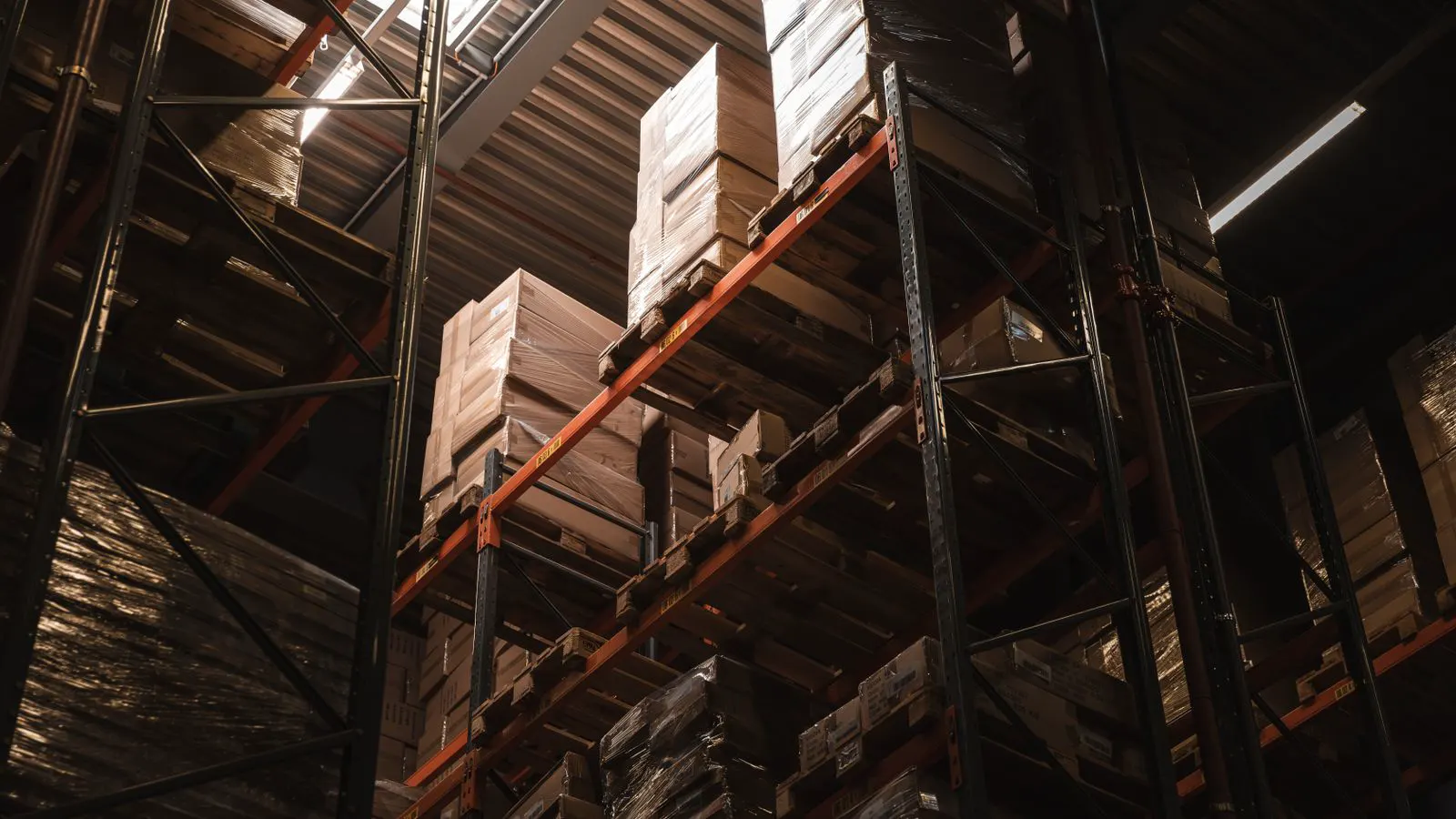
Bulk drums and IBC totes offer different trade-offs for chemical procurement. Drums are often cheaper for small volumes, while IBC totes reduce handling labor and improve logistics efficiency for larger orders.
- Bulk drums offer lower upfront packaging costs, but IBC totes reduce per-unit handling labor for repeated orders.
- IBC totes improve logistics efficiency by fitting more product into standard pallet footprints.
- Lead times depend more on supplier capacity and transport mode than on container type.
- A clear RFQ that specifies volume, container size, and delivery window prevents quote mismatches.
- Compare quotes by normalizing the price per kilogram or liter delivered, not just the container price.
What Drives Packaging Cost in Chemical Procurement
Packaging cost is more than the price of the container. It includes freight, handling, storage, and the labor required to move product from the supplier to your receiving dock. Bulk drums and IBC totes sit on opposite ends of this spectrum. Drums are simple and widely accepted by transport operators. IBC totes are larger, stackable, and designed to hold more product per pallet position.
When you request a quote, the supplier will usually list the product price and the packaging price separately. For drums, the packaging cost is often a small fixed amount per unit. For IBC totes, the cost is higher per unit but spreads across a larger volume. The real cost difference appears when you add the labor and time to unload and move the material. A 200-liter drum weighs roughly 20 to 30 kilograms empty, while a 1000-liter IBC tote can weigh 80 to 120 kilograms empty. These weight differences directly impact freight calculations based on dimensional weight and actual weight.
A typical mistake is comparing the price per drum to the price per IBC tote without normalizing the volume. A single IBC tote can hold the same amount of product as multiple drums. If your receiving area is a single bay with one forklift, the labor to unload a drum stack will be higher than unloading a single IBC tote. This labor cost often outweighs the container price difference. Consider a scenario where you need 10,000 liters of a solvent. This equals 50 drums or ten IBC totes. Unloading 50 drums requires a crew of three to five workers for two to three hours. Unloading ten IBC totes requires one forklift operator for one to two hours. The difference in labor hours translates to a significant portion of the total landed cost.
How Volume and Handling Change the Equation
The volume threshold where IBC totes become more attractive depends on your facility. If you order a small quantity that fills one or two drums, the IBC tote may not fit your storage or loading dock. If you order a quantity that fills a full truckload, the IBC tote reduces the number of pallets and the number of lift operations. For example, a standard 20-foot dry van can carry approximately 20 IBC totes or over 100 drums. The number of pallet positions changes the entire receiving workflow.
Drums are easier to store on narrow shelves. IBC totes require floor space or racking rated for heavier loads. If your warehouse has limited vertical space, drums may be the only practical option. If you have floor space and a forklift with a pallet spreader, IBC totes become more efficient. Many chemical warehouses have mezzanine floors or high-bay racking designed for drums. Converting these spaces for IBC totes requires engineering changes and safety assessments. The cost of that conversion must be included in the long-term comparison.
Handling time is a major driver. Unloading a drum requires picking, carrying, or using a drum trolley. Unloading an IBC tote requires a forklift and a pallet spreader. One IBC tote can save several minutes of manual labor compared to an equivalent volume in drums. Over a year, those minutes multiply. If your facility receives 20 orders per month, the labor savings from IBC totes accumulate quickly. This accumulation affects staffing costs and overtime.
How Lead Time Differs Between Drum and IBC Supply
Lead time is the total time from order placement to product arrival at your dock. It is not just shipping time. It includes production scheduling, packaging, loading, and transit. IBC totes can sometimes have longer lead times because the supplier must ensure the totes are clean, inspected, and available for reuse or purchase. If the supplier uses a fleet of reusable totes, the availability of clean totes at the point of production becomes a bottleneck.
If your supplier uses a third-party logistics provider, the IBC tote may need to be returned to the supplier after use. This return trip adds time to the cycle. Drums are often single-use or easier to store, so the return logistics are simpler. In some regions, used drums are recycled or sold as scrap, ending their lifecycle quickly. IBC totes, however, are designed for multiple cycles, often 10 to 20 uses before replacement. This cycle length means the tote must be in the system at all times.
For recurring orders, IBC totes can create a tighter schedule. The supplier knows the exact number of totes needed. For drums, the number of drums changes with volume fluctuations. This variability can slow down scheduling. A consistent IBC tote schedule allows the supplier to reserve space and loading time in advance. If your demand fluctuates by 30 percent month to month, drums offer more flexibility. If your demand is stable, IBC totes provide a predictable rhythm that aligns with production planning.
How to Write a Clear RFQ for Packaging Comparison
A vague RFQ produces a vague quote. If you ask for the price of a chemical, the supplier will assume a default packaging. You need to specify the container type, the quantity, and the delivery window. Clarity in the request reduces back-and-forth communication and prevents misaligned expectations.
Include the following in your request for quotation:
- The exact chemical name and grade.
- The total volume in kilograms or liters.
- The preferred container type, such as 200-liter drums or 1000-liter IBC totes.
- The number of containers needed.
- The desired delivery date range.
- The destination address and dock specifications.
- Whether you will provide your own containers or buy them from the supplier.
If you are comparing two suppliers, send the same RFQ to both. If the RFQ is ambiguous, the quotes will not be comparable. A supplier may quote a drum price for one option and an IBC tote price for another. You need the same basis for comparison. Specify the Incoterms, such as EXW, FCA, or DAP, to ensure that freight and insurance responsibilities are clear. A quote that includes freight under FCA terms is not directly comparable to a quote that excludes freight under EXW terms.
How to Compare Quotes Fairly
Do not compare the total invoice amount. Compare the cost per unit of product delivered to your dock. This includes the product price, the packaging price, the freight, and any surcharges. If one supplier charges more for the product but less for freight, the total may be similar. Create a simple spreadsheet with columns for each cost component. Fill in the values from each quote and calculate the landed cost per kilogram.
Check the terms of the freight. Is the freight prepaid or collect? This affects your cash flow. Check the delivery window. A quote that says “within 30 days” is less useful than a quote that says “within 5 business days.” A tighter window may require a higher freight rate. Also, check if the quote includes demurrage charges. If the dock is unavailable when the truck arrives, additional fees may apply.
Look at the penalty for late delivery. Some suppliers include a clause that delays the final payment until the product arrives on time. Others do not. This clause changes the risk profile of the order. If you are running a continuous production line, a late delivery can stop the line. The cost of downtime can be several times the cost of the chemical itself. A supplier who guarantees delivery dates and accepts penalties may be worth a higher upfront price.
Cost Drivers at a Glance
The table below lists the main factors that affect the final cost of a chemical order. Use it to check your own quotes.
| Cost Driver | Bulk Drums | IBC Totes |
|---|---|---|
| Container Price | Lower per unit | Higher per unit |
| Handling Labor | Higher due to manual handling | Lower due to palletized loading |
| Freight Cost | Higher per kilogram due to lower density | Lower per kilogram due to higher density |
| Storage Space | Fits on narrow shelves | Requires floor space or heavy racking |
| Return Logistics | Often single-use or simple storage | Requires return for reuse |
| Scheduling Flexibility | High for small or variable orders | Best for consistent, large orders |
What to Ask Your Supplier
Before you finalize a decision, ask your supplier about the operational details. Do not just ask for the price. Ask about the process. Operational details reveal the true cost and risk of the supply chain.
Ask if the supplier has IBC totes in stock. If not, ask about the lead time for the totes themselves. Ask about the cleaning process. For some chemicals, the totes must be cleaned and inspected before reuse. Ask if the cleaning cost is included in the quote. For example, if the chemical is a corrosive acid, the tote may require a specific cleaning protocol that takes longer than for a neutral solvent. This protocol can add days to the cycle.
Ask about the loading process. Can the supplier load the totes on pallets? Can they provide a pallet spreader for your dock? If the supplier cannot provide these, you may need to pay for extra handling. In some cases, the supplier will provide the pallets, but the customer must provide the spreader. This division of labor affects the total cost and the ease of unloading.
Ask about the transport mode. Drums can often be shipped in a standard van. IBC totes usually require a palletized truck. The mode of transport affects the lead time and the cost. If your dock cannot accept a palletized truck, you may need to use drums. Check the height and width of your dock door. Standard dock doors may not accommodate a full truckload of IBC totes if the stacking height exceeds the door frame.
Final Practical Check
Run the numbers for your specific case. Take the total cost of the product, the packaging, and the freight. Divide by the net weight of the chemical. Do this for both the drum and the IBC tote options. Then add the estimated labor cost to unload. Be conservative with your labor estimates. If you have one forklift operator and two manual laborers, calculate the cost for both scenarios. Include any overtime premiums if the unloading time exceeds standard shift hours.
If the IBC tote total is lower after adding labor, it is the more efficient option. If the drum total is lower, it may be the better fit for your facility. The goal is not to find the cheapest container. The goal is to find the packaging that delivers the product to your dock with the least friction and the most predictable timing. Document the assumptions used in your calculation. If your production volume changes, the optimal packaging may shift. Review the numbers quarterly or whenever your facility layout or transport logistics change.
Frequently asked questions
Are IBC totes always cheaper than drums for chemical procurement?
No. IBC totes have a higher container cost. They become cheaper per unit of product when the order volume is large and handling labor is reduced.
How does container type affect lead time?
IBC totes may have longer lead times if the supplier must source or clean the totes. Drums are often simpler to schedule and ship.
Can I compare a drum quote with an IBC tote quote directly?
Not without normalization. You must convert both quotes to the cost per kilogram or liter delivered to your dock to make a fair comparison.
What information is required in a clear RFQ?
A clear RFQ should specify the chemical name, grade, total volume, container type, quantity, delivery window, and dock specifications.
Does the freight cost change for IBC totes?
Yes. IBC totes are heavier and take up more pallet space. This can increase the freight cost per unit, but the higher density usually lowers the cost per kilogram.