This guide provides a structured method to vet and integrate new chemical suppliers. It covers prerequisites, six core steps, common mistakes, and a final verification phase. The goal is to reduce receiving errors and ensure consistent supplier reliability across your procurement workflow.
- Standardizing onboarding reduces the risk of inconsistent chemical purity and documentation errors.
- A defined vendor management checklist ensures every supplier meets the same technical and safety thresholds.
- Tracking supplier performance during the first quarter is more effective than relying on initial quotes.
- Common mistakes include skipping technical data sheet verification and ignoring safety data sheet updates.
- A final verification step with a small trial order confirms operational readiness before full-scale integration.
Procurement teams often struggle with inconsistent supplier reliability when onboarding new chemical vendors. Each company brings different documentation practices, shipping protocols, and quality control methods. Without a standardized process, teams waste time resolving receiving errors, quality disputes, and compliance gaps.
This guide outlines a practical method to vet and integrate new suppliers into your operations. It covers the prerequisites you need before starting, the core steps for onboarding, and a final verification process. The focus is on building a repeatable workflow that supports your procurement workflow and improves vendor management over time.
Prerequisites for a Smooth Supplier Onboarding Process
Before you evaluate a supplier, gather the internal documents and data points that will guide your decision.
- Technical Specifications: Define the exact chemical grade, purity, and physical properties required for your process. Include tolerance ranges for impurities.
- Safety Data Sheets: Confirm the format and version you require. Most operations need the current revision aligned with your regional safety regulations.
- Compliance Certificates: List the certifications you require. This often includes material certificates of analysis and transport compliance documents.
- Internal Approval Matrix: Identify who must sign off on technical, safety, and commercial terms.
- Performance Metrics: Decide how you will measure supplier reliability. Common metrics include on-time delivery, purity consistency, and documentation accuracy.
These prerequisites create a baseline. You are not just looking for a source of product. You are looking for a partner that can meet your specific operational and safety standards.
Step 1: Request and Verify Technical Documentation
Ask for the full technical package before any commercial discussion. This includes the current safety data sheet, material certificate of analysis, and technical data sheet.
The reason for this step is to confirm the product meets your technical requirements. A supplier that cannot provide a current certificate of analysis for a specific lot number is a red flag. Check that the purity levels match your specifications. Verify that the impurity profile is within your acceptable limits.
Do not accept generic data sheets. Request data specific to the lot or batch you intend to purchase. If the supplier uses a standardized document, ensure it is dated within the last year and reflects the current regulatory standard.
Step 2: Assess Safety and Compliance Records
Review the supplier’s safety history and compliance track record. Look for incident reports, audit summaries, and transport compliance documentation.
The reason for this step is to manage risk. A supplier that handles hazardous chemicals must have a documented safety management system. Check for evidence of regular internal or third-party audits. Review their transport compliance records to ensure they meet the requirements for shipping the specific chemical class you are buying.
If the supplier is new to your region, verify their registration with local regulatory bodies. This step prevents legal issues and ensures the supplier is authorized to operate in your market.
Step 3: Evaluate Logistics and Supply Chain Capability
Analyze the supplier’s logistics network and their ability to meet your lead time requirements. Request details on their storage facilities, shipping partners, and typical transit times.
The reason for this step is to protect your production schedule. Supplier reliability includes more than product quality. It also covers the ability to deliver when promised. Ask about their contingency plans for supply disruptions. Do they have backup shipping lanes or alternative storage locations?
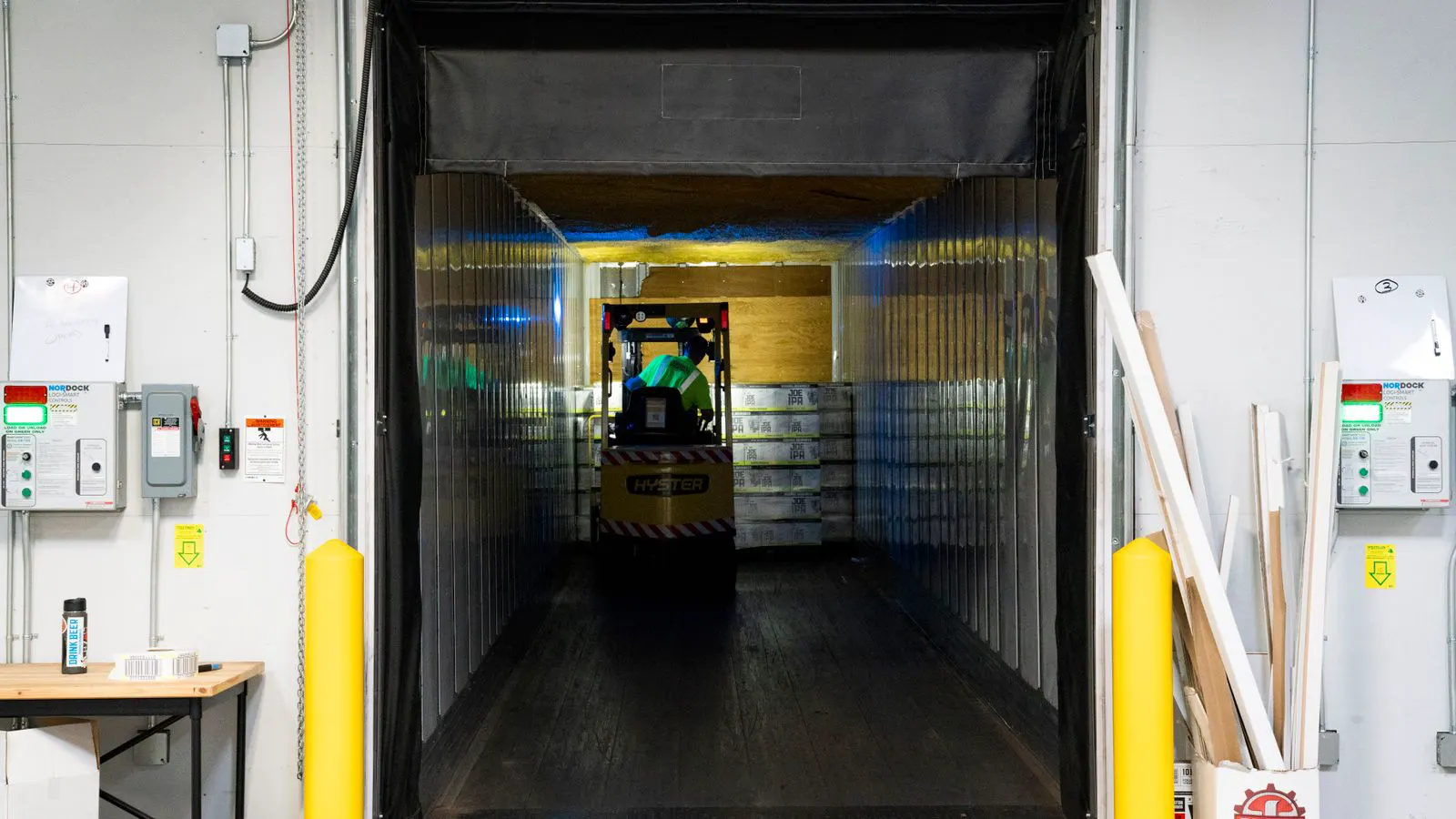
Check their packaging standards. If you use IBC totes or bulk drums, confirm their handling and labeling practices. A supplier that mixes different chemical classes in the same loading dock area is a potential contamination risk.
Step 4: Define Commercial Terms and Contracts
Negotiate the commercial terms and draft a supplier agreement. Include quality specifications, penalty clauses for non-conformance, and termination conditions.
The reason for this step is to establish clear expectations. A verbal agreement is not enough for chemical procurement. Your contract should specify the consequences of a purity failure or a late delivery. Include a clause that allows you to reject a shipment if it does not meet the agreed specifications.
This step also covers payment terms. Align the payment schedule with your receiving and inspection process. Do not release full payment until the product passes your incoming quality control checks.
Step 5: Conduct a Small Trial Order
Place a small order for a single lot or a limited quantity. This is not a full production run. It is a test of the entire supply chain.
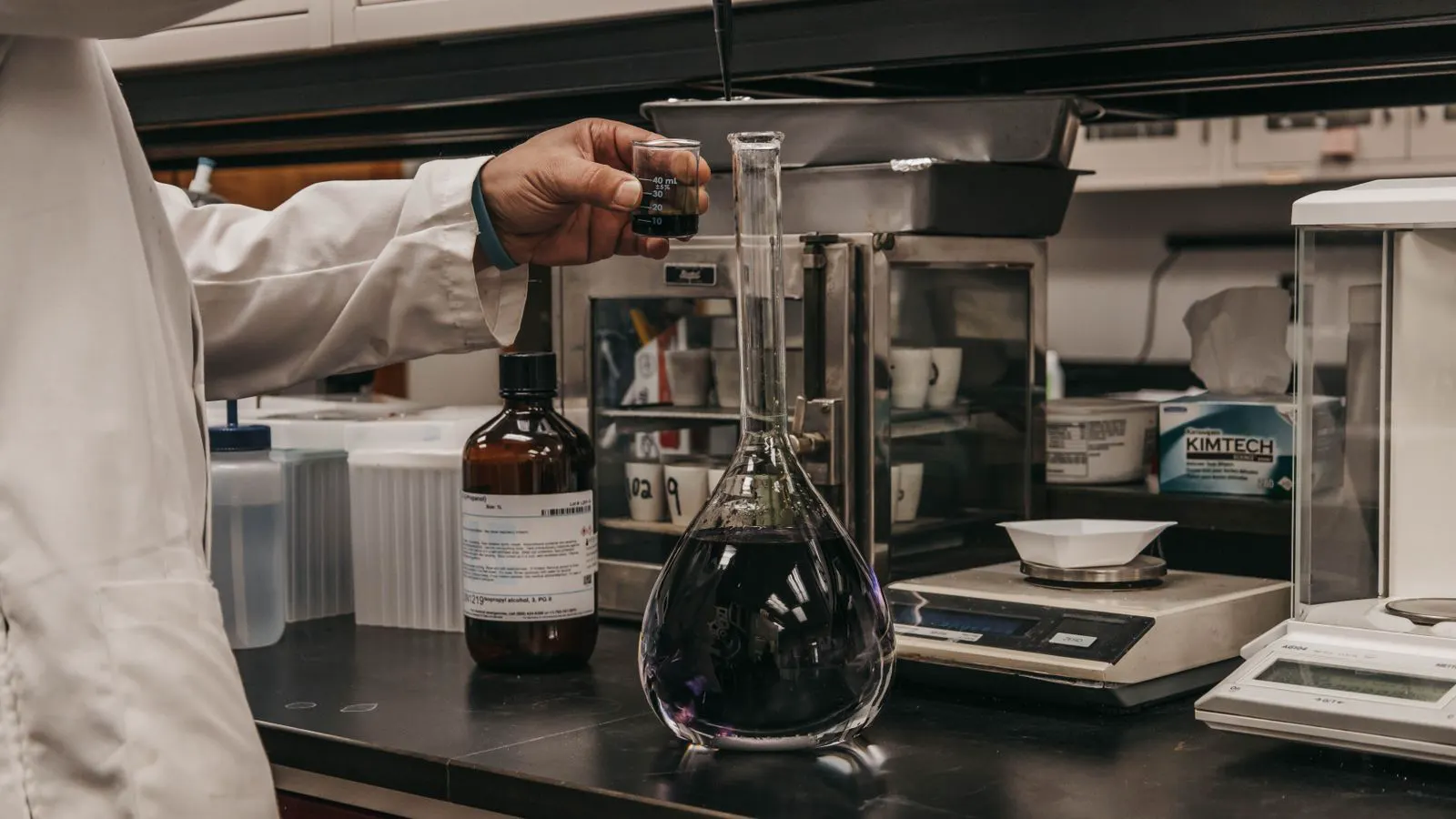
The reason for this step is to verify operational readiness. The trial order tests the documentation, the shipping process, and the product quality in a real-world scenario. Your receiving team should check the packaging, the labels, and the temperature logs. Your lab should run a full analysis on the sample.
This step reveals issues that might not appear in a large order. For example, a supplier might send the correct chemical but use the wrong drum size. Or the data sheet might be missing a required field. The trial order is your first chance to catch these problems.
Step 6: Integrate into Your Vendor Management System
Enter the supplier into your procurement system and assign them a unique ID. Link their technical documents, safety data, and performance metrics to this record.
The reason for this step is to create a single source of truth. Your procurement team needs quick access to the supplier’s history. If a new employee joins the team, they should be able to find the supplier’s certification status and past performance in seconds.
Set up automated alerts for document expiration. If a safety data sheet is due for renewal, your system should notify the procurement manager. This reduces the risk of working with outdated documentation.
Common Mistakes in Chemical Supplier Onboarding
- Skipping the Trial Order: Many teams place a large order immediately to save time. This is a high-risk move. A small trial order protects your budget and your production line.
- Accepting Outdated Data: Using a safety data sheet from three years ago can lead to compliance violations. Always verify the revision date.
- Ignoring Packaging Standards: A supplier that does not follow strict segregation rules can cause cross-contamination. Check their loading dock procedures.
- No Performance Tracking: If you do not track supplier reliability after onboarding, you will not know if they are improving or declining. Set up a simple scorecard for the first quarter.
- Weak Contract Terms: A contract without clear penalty clauses gives you little use if the supplier fails to meet specifications.
Final Verification Step
After the trial order is received and inspected, hold a review meeting with your internal team.
The reason for this final step is to confirm that the supplier is ready for full-scale integration. Review the receiving report, the lab results, and the logistics data. Did the shipment arrive on time? Was the purity within spec? Was the documentation complete?
If the trial order passes, move the supplier to your approved vendor list. If it fails, document the issues and give the supplier a chance to correct them. If they cannot correct the issues, remove them from your pipeline. This final verification step ensures that your supplier onboarding process is not just a formality, but a real quality gate.
| Onboarding Stage | Key Documents | Primary Risk if Skipped |
|---|---|---|
| Documentation | Safety Data Sheet, Certificate of Analysis | Compliance failure, wrong chemical grade |
| Safety Review | Audit Reports, Transport Certs | Safety incident, legal liability |
| Logistics | Shipping Schedule, Storage Specs | Late delivery, product damage |
| Commercial | Supplier Agreement, Payment Terms | Disputes, lack of recourse |
| Trial Order | Receiving Report, Lab Results | Contamination, purity failure |
| Integration | Vendor ID, Performance Metrics | Inconsistent data, poor tracking |
Supplier reliability is built through consistent processes, not just good intentions. By following this onboarding method, your procurement team can integrate new suppliers with confidence. You reduce the risk of receiving errors and improve the overall quality of your vendor management.
Frequently asked questions
How often should I review my approved chemical suppliers?
Review your supplier list at least once a year. Update the review if you change your product specifications or if regulatory standards shift in your region.
What is the minimum quantity for a trial order?
There is no universal minimum. It should be enough to test your lab procedures and receiving process, but small enough to limit financial risk if the order fails.
Do I need a separate contract for each chemical?
No. A master supplier agreement can cover multiple chemical products. However, you should attach specific technical specifications as schedules to the contract for each product.
How do I handle a supplier who fails the trial order?
Document the specific failure. Send a formal notice to the supplier giving them a chance to correct the issue. If they cannot fix it, remove them from your approved vendor list and document the reason.
Who should approve the final supplier onboarding?
The approval should come from a cross-functional team. This typically includes procurement, quality assurance, and the production or process engineering manager who will use the chemical.