Air freight moves chemicals faster but costs significantly more per kilogram. Sea freight lowers per-unit costs for bulk and non-urgent shipments. The right choice depends on product type, volume, urgency, and handling requirements.
- Air freight reduces transit time to days but increases per-unit cost for chemicals.
- Sea freight lowers total landed costs for larger volumes and non-urgent deliveries.
- Hazardous classification and packaging weight heavily influence the final freight quote.
- Total cost includes fuel surcharges, insurance, customs, and handling, not just base freight.
- Choose the mode based on product value, shelf life, and supply chain flexibility.
How Air and Sea Freight Differ in Cost Structure
Air freight prices chemicals by weight and volumetric dimensions. The base rate per kilogram is high because aircraft capacity is limited and fuel costs are significant. For many chemical products, the volume factor dominates. A pallet of lightweight, low-density polymer pellets occupies a large share of cargo hold space, so the carrier applies a volumetric charge that exceeds the actual weight. A dense liquid in steel drums, however, may be charged strictly by weight if the density is high enough. The two calculation methods create a distinct cost curve for air freight. A shipment that is heavy but compact is cheaper per unit of space than a shipment that is light but bulky.
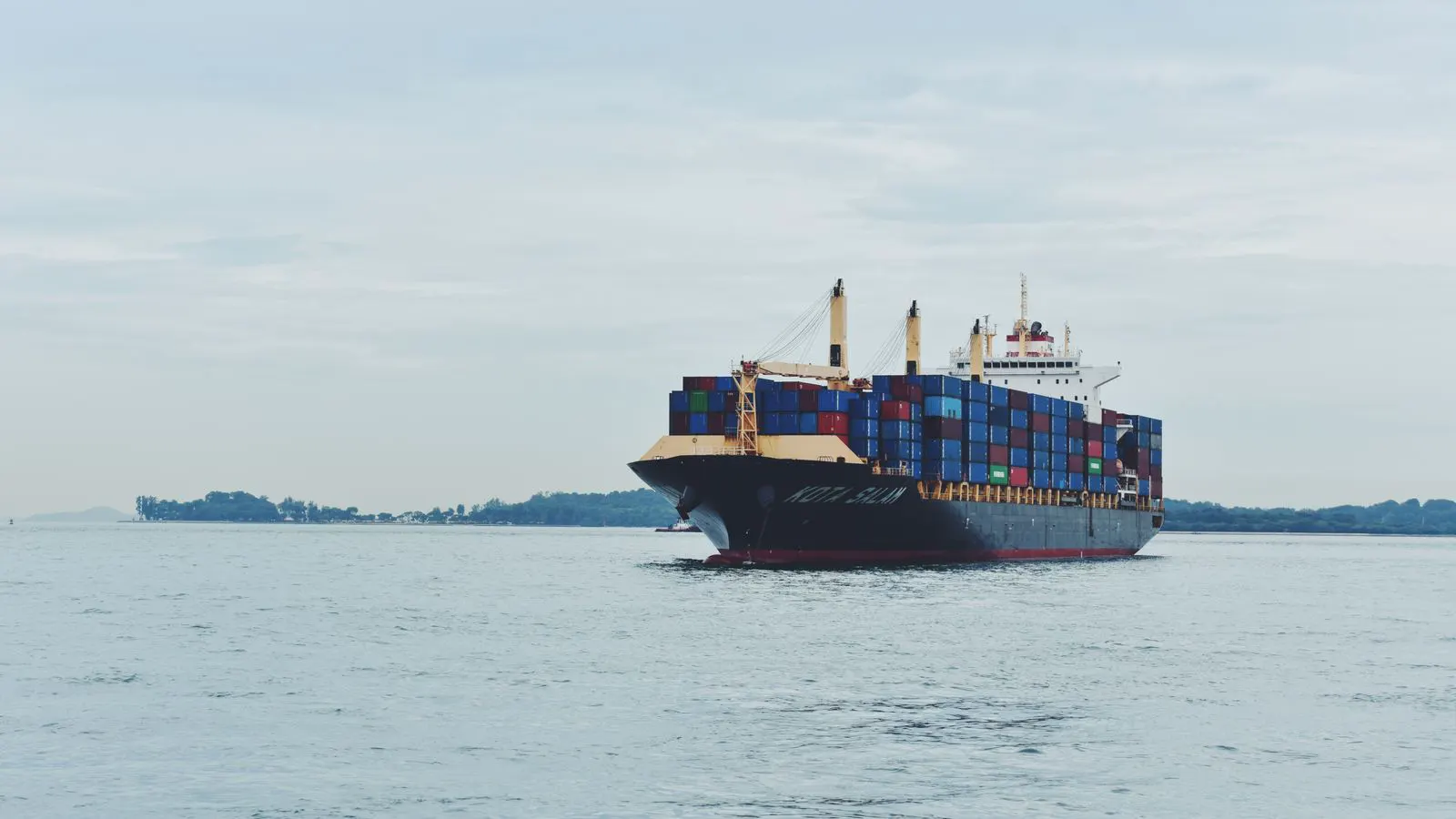
Sea freight charges by container size, weight, and distance. A twenty-foot container carries a fixed volume of product, so per-unit cost drops sharply as shipment size increases. The cost structure here is driven by capacity utilization. A carrier wants every cubic meter of a container filled with billable cargo. If a buyer ships a single pallet in a full container, the per-kilogram rate is high. If that same product fills six containers, the rate drops significantly. This economy of scale is the primary reason sea freight remains the default for bulk commodities.
For a small batch of high-value specialty chemical, air freight can be economical if the product has a short shelf life or the customer faces production downtime. For bulk commodities, sea freight is almost always cheaper because the weight is spread across more units. The difference is not just the freight rate. It extends to packaging, insurance, and capital tied up in transit.
When to Choose Each Transport Mode
| Option | Best for | Limitations |
|---|---|---|
| Air freight | Small volumes, urgent orders, high-value or short-shelf-life chemicals | High per-unit cost, weight limits, stricter cargo handling, fewer port access points |
| Sea freight | Bulk volumes, non-urgent deliveries, standard commodity chemicals | Long transit times, port congestion risk, higher insurance and demurrage exposure |
| Sea freight with express routing | Urgent bulk orders where speed matters but air is too expensive | Higher surcharge than standard sea, still slower than air |
| Combined modes | Split shipments with some urgent and some standard stock | Complex logistics, higher coordination cost, split inventory risk |
Pick air freight when the cost of delay exceeds the freight premium. A plant that cannot run without a catalyst may pay a large premium to receive it in two days rather than four weeks. The catalyst might be a small quantity of high-purity compound required to start a specific batch. Without it, the entire production line idles. The revenue loss from one day of idle time can easily outweigh the cost difference between air and sea freight for that small shipment.
Pick sea freight when the product is stable, the volume is large, and the buyer can manage inventory buffers. A manufacturer of paper or plastics might import thousands of tons of raw resin or pulp. These materials do not degrade quickly, and the factory has enough stock to run for several weeks. In this case, the two to six weeks of transit by sea are invisible to the production schedule.
For mid-sized orders, sea freight with express routing offers a middle ground. It avoids the highest air rates while cutting transit time below standard schedules. A buyer might split a shipment. The first few pallets travel by air to cover immediate demand. The remaining pallets follow by sea to replenish stock. This strategy reduces the risk of stockouts without paying air freight rates for the entire volume.
Hidden Costs That Change the Final Price
The base freight rate is only one part of the total. Chemical shipments carry packaging costs that affect both weight and volume. Heavy drums add weight. Large IBC totes add volume. Air carriers charge for both, so a shipment that is light but bulky can cost more than expected. A pallet of loose granules in heavy plastic bags might weigh less than a pallet of liquid in steel drums, but the bags take up more space. The carrier calculates the air freight based on the greater of the actual weight or the volumetric weight. This means that poor packaging choices can directly increase the freight bill.
Sea carriers focus more on container utilization, but overweight penalties apply when the load exceeds the vessel or container limit. A container that is technically within volume limits but exceeds the weight limit for a specific port or vessel class may face a surcharge. This is particularly common with dense liquids. A 20-foot container filled with a high-density chemical may exceed the weight limit even though the volume is full. The carrier will either refuse the shipment or charge a penalty.
Fuel surcharges vary by mode and by route. Air freight surcharges often move with jet fuel prices. Sea freight surcharges reflect bunker fuel costs, port congestion fees, and equipment availability. These surcharges are dynamic. They are not fixed at the time of booking. A quote given in January might differ significantly from the actual invoice in March if fuel prices rise or port congestion worsens.
Insurance also differs. High-value chemicals shipped by air carry higher risk exposure because of shorter transit and higher per-unit cost. Insurers price that risk accordingly. While the transit time is shorter, the value density is higher. A single pallet loss on a flight represents a larger financial hit than a single pallet loss on a vessel. This affects the insurance premium.
Customs and compliance add another layer. Chemicals require proper documentation for both air and sea lanes. The pre-export checklist for hazardous chemicals must be complete before any shipment departs. Missing or incorrect declarations delay clearance and can trigger additional handling fees. A delayed shipment at port can add detention charges that quickly erode the savings from choosing a cheaper freight mode.
Speed versus Cost: The Practical Trade-Off
Speed has a price. Air freight can move a shipment in one to three days. Sea freight typically takes two to six weeks depending on origin, destination, and transshipment points. The time difference is not just a matter of convenience. It affects inventory levels, working capital, and customer service.
A buyer who holds a large stockpile of a commodity chemical can absorb longer transit times without disrupting production. A buyer who just-in-time supplies a critical process chemical cannot. The cost comparison must include the value of the inventory held. If the chemical is expensive, holding extra stock ties up capital. If it is cheap, the capital cost is low and sea freight remains attractive.
Consider a specialty polymer additive. One kilogram might cost a significant amount. Shipping it by air adds a freight premium per kilogram. Shipping it by sea reduces that premium but requires holding several weeks of inventory. The total cost of ownership includes the freight, the storage, the insurance, and the risk of obsolescence. A simple per-kilogram freight comparison misses most of the picture. The storage cost for a high-value chemical is substantial. If the chemical has a specific expiration date, holding it for an extra month might mean it must be discarded or sold at a discount. This risk must be factored into the cost model.
Practical Steps to Compare Chemical Shipping Costs
- Determine the exact weight, volume, and hazardous classification of the shipment.
- Request freight quotes from at least two carriers for both air and sea options.
- Include packaging weight in the calculation, not just the product weight.
- Add fuel surcharges, insurance, customs, and port handling to each quote.
- Estimate the inventory cost for the transit period based on the product value.
- Compare the total landed cost, not just the base freight rate.
This approach reveals the real difference. A sea quote may look lower on paper, but if the product is expensive and the transit time is long, the inventory cost can offset the freight savings. An air quote may look high, but if the product is urgent and the value is high, the total cost may be lower when downtime risk is included.
When Sea Freight Becomes More Expensive Than Expected
Sea freight is not always the cheapest option. Port congestion can delay a shipment by weeks. Demurrage and detention charges accrue when the container is held beyond the free time allowed at the terminal. If a shipment misses its delivery window, the buyer may pay for extra storage and handling.
Weather and canal closures can also add time. A vessel stuck in a congested port or a delayed transit through a major waterway extends the delivery window. The buyer must budget for this risk. For critical shipments, a small premium for guaranteed delivery or express routing may be worth it. For non-critical shipments, the risk is acceptable if the buyer has buffer stock.
Air freight has its own risks. Cargo may be rejected at the airport if documentation is incomplete or the classification is wrong. Aircraft capacity can fill quickly, and last-minute bookings carry higher rates. The speed advantage disappears if the shipment is delayed at origin or destination.
Choosing the Right Mode for Your Chemical
The decision comes down to product characteristics, volume, and supply chain needs. High-value, low-volume chemicals often favor air freight. Bulk, low-value commodities favor sea freight. Short-shelf-life products favor air. Stable products favor sea.
Buyers should review the choice regularly. Freight rates move. Port conditions change. Product values shift. A shipment that made sense by sea last quarter may make more sense by air this quarter if the product value rises or the air rate drops. Building a simple cost model that includes freight, insurance, inventory, and delay risk makes the decision clearer and less reactive.
The goal is not to find the cheapest mode. The goal is to find the mode that delivers the chemical at the lowest total cost for the specific shipment. That means looking beyond the base rate and understanding the full picture.
Frequently asked questions
Is air freight ever cheaper than sea freight for chemicals?
Yes, for small, high-value shipments where the cost of delay or inventory holding exceeds the air premium. The total landed cost, not just the freight rate, determines the winner.
How does packaging affect chemical shipping costs?
Packaging adds weight and volume. Air carriers charge for both, so heavy or bulky packaging can increase the rate. Sea carriers focus more on container weight limits, but overweight penalties apply.
What is the main difference between air and sea freight for chemicals?
Air freight is faster but costs more per unit. Sea freight is slower but costs less for larger volumes and non-urgent deliveries.
How long does air freight take compared to sea freight?
Air freight typically takes one to three days. Sea freight usually takes two to six weeks depending on the route and transshipment points.
Can I mix air and sea freight for the same order?
Yes, if part of the order is urgent and part is standard. This split approach can balance cost and speed, but it adds complexity to logistics and inventory management.