Acid and base storage demands differ significantly. This guide compares material options like HDPE, HDPP, and stainless steel to help engineers match chemical compatibility with operational needs and reduce corrosion risks.
- Acid and base material compatibility requires different liner and tank materials due to varying chemical attack mechanisms.
- HDPE and HDPP are standard for many acids and bases but have temperature and strength limits.
- Stainless steel grades vary in resistance; 316L is common for chloride exposure but not universal.
- Always verify compatibility with the specific concentration and temperature in use.
- Proper venting, grounding, and PPE remain non-negotiable regardless of material choice.
Why Acid and Base Storage Demands Differ
Acid and base handling present distinct challenges in material selection. Acids attack metals through electrochemical corrosion, often forming soluble salts that accelerate the process. Bases can also corrode, but the mechanism frequently involves hydroxide ion attack and, in some cases, stress corrosion cracking. The choice of tank material, gasket, valve, and pump seal depends on the specific chemistry, concentration, and operating conditions.
A common mistake is assuming that a material rated for a given acid will perform identically in a base, or vice versa. For example, a polyethylene tank that resists dilute sulfuric acid may swell in contact with certain organic solvents, while a stainless steel tank that handles caustic soda may corrode rapidly in hydrochloric acid. Engineers must treat each chemical stream as a separate compatibility problem.
The decision also affects lifecycle cost. A more expensive alloy or lined tank may last decades, but a cheaper option could fail within a year if the chemistry is wrong. The goal is to match the material to the worst-case scenario in the storage and handling system, not just the nominal design point.
Material Options Compared
The table below compares the most common tank and lining materials used for acid and base storage. Each option has a distinct role in industrial practice.
| Option | Best for | Limitations |
|---|---|---|
| HDPE | Dilute to concentrated acids and bases, low-temperature storage | Limited mechanical strength, poor temperature resistance above 60°C, prone to creep under static load |
| HDPP | Higher-temperature service than HDPE, many acids and bases | More expensive than HDPE, still limited to moderate temperatures, less impact resistant than HDPE at low temps |
| FRP (Glass Reinforced Plastic) | Large-volume storage, mixed chemical exposure | Requires careful joint detailing, vulnerable to mechanical impact, liner thickness must be adequate |
| Stainless Steel 304L | Dilute acids, some bases, general corrosion resistance | Poor resistance to hydrochloric acid, chlorides, and concentrated sulfuric acid; can suffer stress corrosion cracking in chlorides |
| Stainless Steel 316L | Chloride-containing acids, many caustic solutions | Still vulnerable to hot concentrated acids and reducing environments; cost premium over 304L |
| Rubber Lined Steel | Aggressive acids, wide chemical range, high-temperature service | Liner must be matched to chemistry; joint failure can cause rapid leak; higher initial cost |
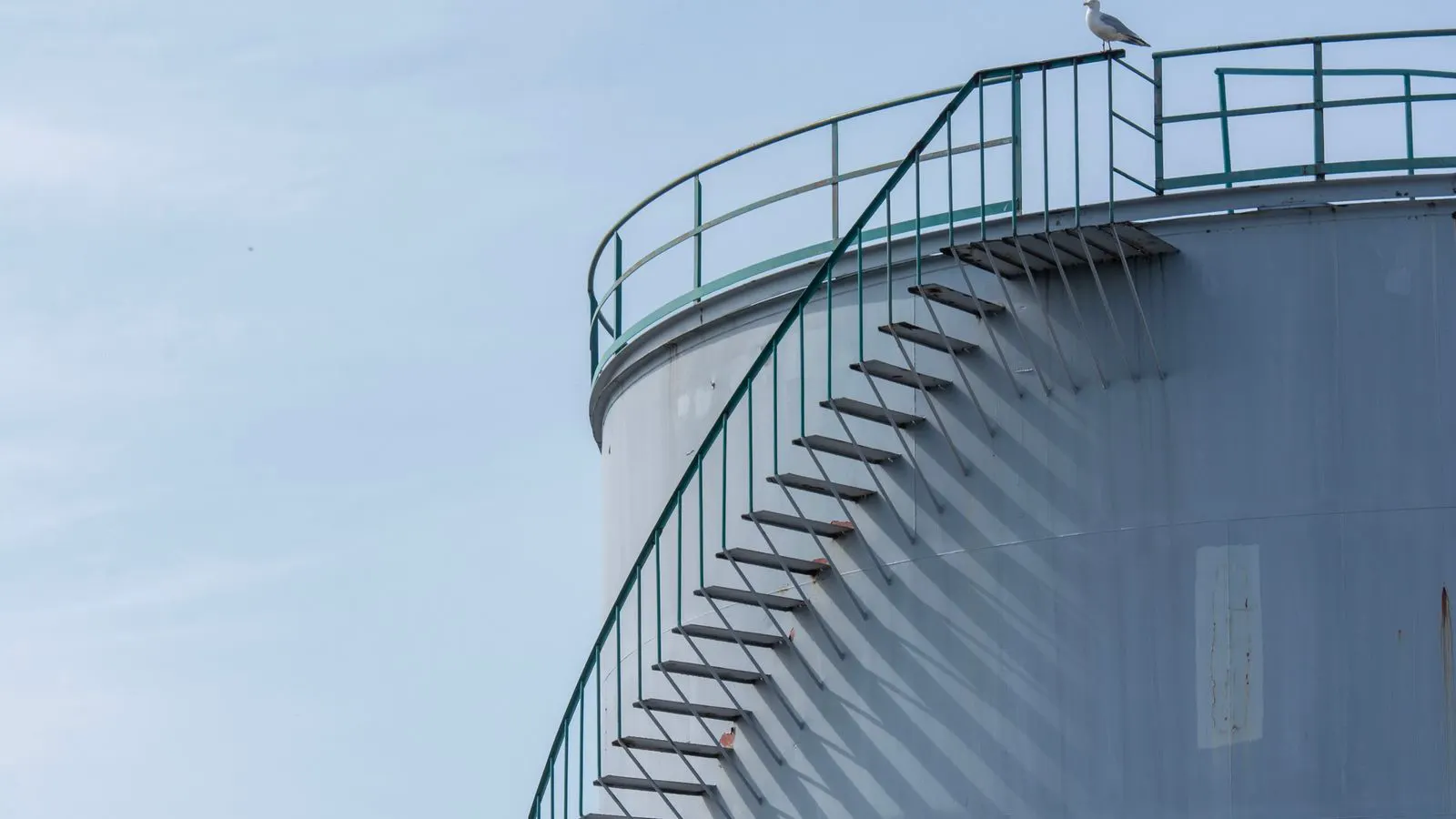
Each material choice carries trade-offs. HDPE is the workhorse for bulk storage of many common acids and bases because it is inexpensive, easy to fabricate, and resistant to a broad spectrum of aggressive chemicals. However, it cannot be used for high-pressure service or above its temperature limit. HDPP offers a higher temperature ceiling but at a cost and with some handling challenges during welding.
FRP is often selected for large, above-ground tanks where the chemical mixture is complex or the service life is expected to be long. The challenge is ensuring the glass fiber layup and resin system are compatible with the specific acid or base. A poorly designed joint or a thin liner can fail, leading to catastrophic release.
Stainless steels are used where mechanical strength and pressure resistance are needed. 304L is a general-purpose grade, but it should not be assumed to handle hydrochloric acid. 316L contains molybdenum, which improves chloride resistance, but even this grade has limits. Rubber-lined steel provides flexibility in chemical selection but adds fabrication complexity and maintenance requirements.
When to Choose Polyethylene or Polypropylene
HDPE and HDPP dominate the storage market for acid and base applications. The selection between them often comes down to temperature and mechanical requirements. HDPE is the default for ambient-temperature service. It is available in many wall thicknesses and can be welded by skilled fabricators. For dilute acids such as nitric acid, sulfuric acid, or hydrofluoric acid, and for bases such as sodium hydroxide, HDPE is a standard, reliable choice.
HDPP is preferred when the operating temperature exceeds the safe limit of HDPE. The melting point of HDPP is higher, and it maintains structural integrity at elevated temperatures. It is commonly used for hot caustic solutions and some hot acids. However, HDPP welding requires careful control, and the material is more brittle at low temperatures. Engineers must verify that the selected grade and wall thickness handle the expected hydrostatic pressure and thermal expansion.
A typical mistake is using HDPE for a service that occasionally reaches higher temperatures due to solar exposure or process upsets. Even brief excursions can weaken the material over time. Another error is neglecting the UV resistance of the polymer. Outdoor HDPE tanks should have a UV-stabilized grade or a protective coating, otherwise the surface will degrade and become porous.
When to Choose Stainless Steel or Lined Steel
Stainless steel is selected when pressure, mechanical strength, or hygienic requirements drive the design. For low-pressure, ambient-temperature storage of dilute acids and bases, a lined tank may be more cost-effective than a bare stainless steel tank. However, where the application involves pressurized vessels, pumps, or heat exchangers, stainless steel is often the only practical option.
The choice of grade is critical. 304L is a good general choice for dilute sulfuric acid and many alkaline solutions. It should be avoided for hydrochloric acid, especially at higher concentrations or temperatures. 316L is the standard when chlorides are present, such as in some hydrochloric acid solutions or seawater-based processes. For even more aggressive acids, duplex stainless steels or high-alloy grades may be required.
Rubber-lined steel combines the strength of a steel shell with the chemical resistance of a liner. The liner material must be selected to match the specific chemistry. For example, a neoprene liner may suit some acids but not others. The fabrication process requires careful attention to joints, fittings, and penetrations. A small crack in the liner can allow the aggressive chemical to reach the steel shell, leading to rapid corrosion.
Handling, Venting, and Safety Considerations
Material selection is only one part of safe handling. The way the acid or base is stored and transferred affects the risk of failure. Venting is a primary concern. Acids and bases can release gases during transfer or due to temperature changes. Incompatible materials or inadequate vent sizing can lead to overpressure or vacuum, which can deform a tank or cause a leak.
Grounding and bonding are required to prevent static electricity buildup, especially during transfer of low-conductivity liquids. While acids and bases are often more conductive than solvents, static risk is still a factor in large-volume transfers. Pumps and valves must be selected with compatible wetted parts. A stainless steel pump body with a polypropylene impeller is a common combination for acid service, but the seal and gasket materials must also be compatible.
Operator training and PPE are non-negotiable. Engineers must ensure that the material selection aligns with the plant’s safety protocols. For example, if a tank is lined with a material that degrades at high temperatures, the operating procedure must include temperature monitoring and limits. Inspection schedules should account for the expected degradation of the selected material.
Common Mistakes in Material Selection
Several recurring errors lead to premature failure in acid and base storage. The first is assuming compatibility based on generic chemical class rather than specific concentration and temperature. A material may be rated for dilute acid but fail in concentrated acid. The second is neglecting the effect of impurities. Even small amounts of chloride ions can cause stress corrosion cracking in stainless steel that would otherwise be resistant.
The third mistake is poor joint design. A tank may be made of compatible material, but a poorly welded seam or an unlined flange can be the point of failure. In FRP or rubber-lined tanks, the joints are especially critical. The fourth error is ignoring mechanical stress. A tank that is compatible chemically but subjected to excessive wind load, seismic force, or internal pressure can fail structurally.
The final mistake is inadequate maintenance. Even the most compatible material will degrade over time. Regular inspection, cleaning, and re-lining where necessary are required. Engineers should establish a maintenance plan that includes visual inspection, thickness measurement, and chemical sampling to detect early signs of degradation.
Practical Selection Checklist
When selecting a material for acid or base storage, engineers should follow a structured process. First, identify the exact chemical, concentration, temperature, and any impurities. Second, define the service conditions, including pressure, flow rate, and expected lifespan. Third, evaluate the candidate materials against these parameters, considering cost, availability, and fabrication capability. Fourth, verify compatibility through reliable data, such as manufacturer specifications or industry standards. Fifth, design the system with adequate safety margins, including venting, grounding, and PPE.
This checklist helps ensure that the material selection is based on engineering judgment rather than assumption. It also provides a clear record for future maintenance and inspection. By following these steps, plants can reduce the risk of corrosion-related failures and ensure safe, long-term operation.
Frequently asked questions
Can HDPE be used for all acids and bases?
No. HDPE is compatible with many common acids and bases but has limits. It is not suitable for concentrated oxidizing acids, certain halogenated solvents, or high-temperature service above 60°C. Always verify compatibility for the specific chemistry.
Is stainless steel 316L better than 304L for acid storage?
316L is generally better for chloride-containing acids and some reducing environments. However, it is not universally superior. For certain concentrated acids or oxidizing conditions, 316L may still fail, and other materials like FRP or rubber-lined steel may be more appropriate.
How does temperature affect material selection?
Temperature is a critical factor. It affects the rate of chemical attack, the mechanical properties of the material, and the risk of stress corrosion cracking. A material that is safe at ambient temperature may fail at elevated temperatures. Engineers must consider the maximum expected operating temperature.
What is the role of venting in acid and base storage?
Venting prevents overpressure and vacuum during transfer, thermal expansion, or chemical reactions. Proper vent sizing and the use of vent caps or scrubbers are essential for safe operation and to prevent material stress.
How often should acid and base storage tanks be inspected?
Inspection frequency depends on the material, service conditions, and regulations. Generally, periodic visual inspection and more detailed checks, such as thickness measurement or liner inspection, should be scheduled based on the expected degradation rate and safety requirements.