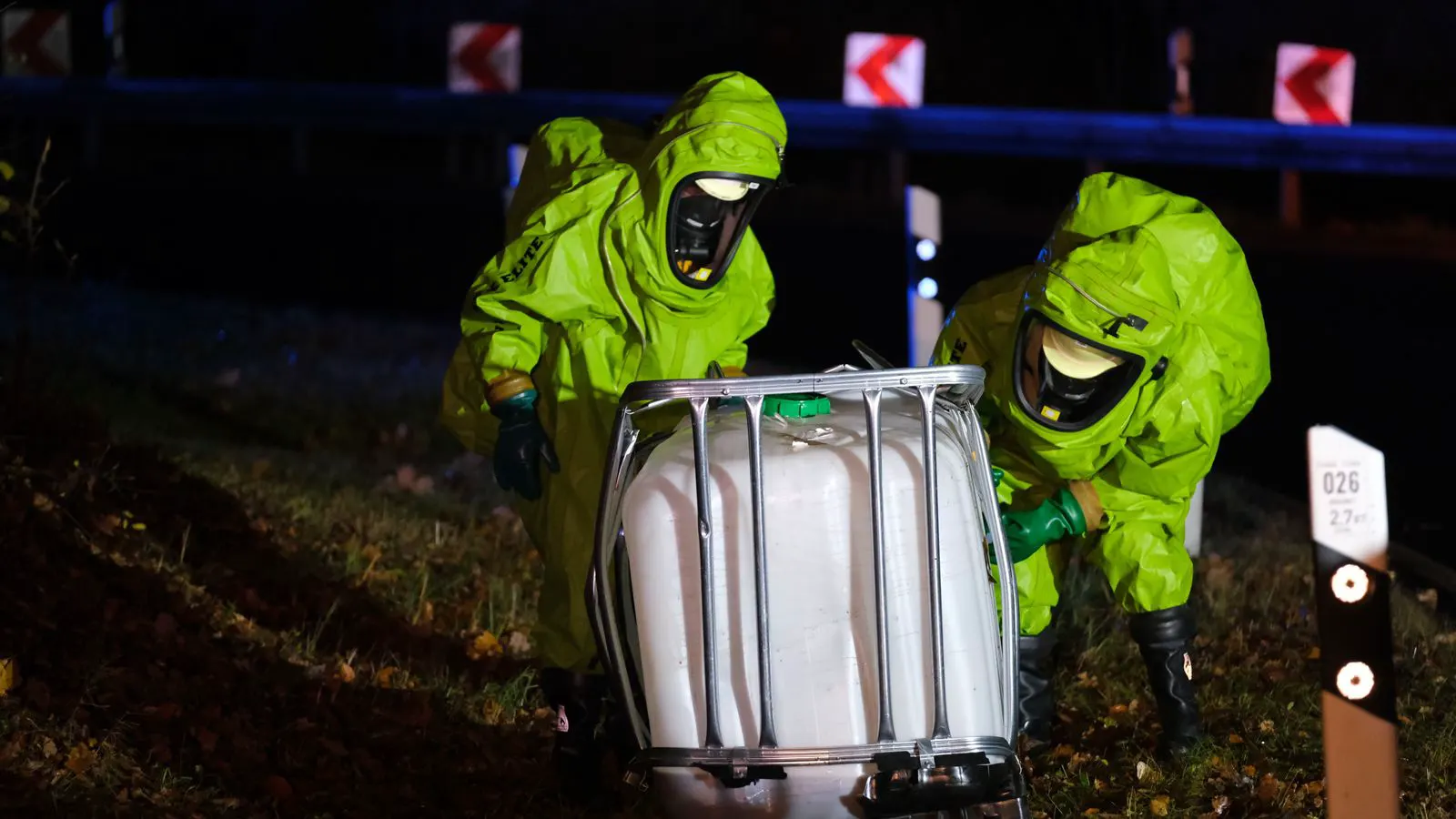
PPE selection for spill response requires matching protection to the specific chemical hazard, exposure route, and environment. This guide outlines a step-by-step method to choose gloves, respirators, and protective clothing based on material compatibility and risk assessment.
- Match PPE to the specific chemical hazard class, not just the spill type.
- Check material compatibility charts for gloves and suit linings against the exact compound.
- Verify respirator fit and filter type before entering a contaminated area.
- Confirm PPE is undamaged, within service life, and stored correctly.
- Test the full ensemble in a controlled area before responding to a real spill.
Selecting personal protective equipment for chemical spills is a structured decision process. It starts with identifying the exact hazard and ends with verifying that every component fits, seals, and functions correctly. A generic “spill kit” is rarely adequate. The right PPE depends on the specific chemical, the concentration, the temperature, and the route of exposure.
Define the chemical hazard before choosing gear
The first step is to identify the exact substance involved. A spill of sulfuric acid requires different protection than a spill of acetone or a silane gas. The Safety Data Sheet (SDS) is the primary source for hazard classification.
Check the SDS for the specific hazard class, the reactivity potential, and the recommended PPE. The SDS often lists the minimum protection required. Do not rely on the spill appearance. A clear liquid can be a severe burn hazard or a flammable solvent. A white powder may be an irritant or a toxic dust.
If the chemical is unknown, treat it as a worst-case scenario. Assume it is corrosive, toxic, and flammable. This approach ensures a baseline level of protection until the substance is identified.
Assess the exposure routes and environment
Once the chemical is identified, determine how workers could be exposed. The main routes are inhalation, skin contact, eye contact, and ingestion. Spill response primarily involves inhalation and skin/eye contact.
Evaluate the physical environment. Is the spill on the floor, on a wall, or in a confined space? Is the area ventilated? Is there a risk of secondary reactions, such as water contacting a reactive chemical? The environment dictates the level of containment needed.
For example, a small acetone spill on a well-ventilated floor requires minimal PPE. A larger acetone spill in a confined space requires respiratory protection to prevent inhalation of vapors. A sulfuric acid spill requires chemical-resistant gloves and eye protection to prevent skin burns and splashes.
Check material compatibility for gloves and suits
Glove selection is the most common point of failure in spill response. Latex and nitrile gloves offer different levels of protection against different chemicals. A glove that is suitable for a water-based solvent may degrade rapidly against a hydrocarbon-based solvent.
Use a chemical compatibility chart. Match the specific chemical to the glove material. Look for the breakthrough time and permeation rate. Breakthrough time is how long the chemical takes to penetrate the glove material. Permeation is how fast the chemical moves through the material.
For chemical-resistant suits, check the lining material. Tyvek suits may offer splash protection but not chemical resistance against aggressive solvents. For high-hazard spills, use suits made from specific chemical-resistant fabrics like Viton or PTFE. Always verify that the suit material is compatible with the chemical.
Select appropriate respiratory protection
Respiratory protection is required when air concentrations may exceed Occupational Exposure Limits (OELs) or when the hazard is immediately dangerous to life and health (IDLH). The type of respirator depends on the hazard.
For vapors, mists, or gases, a supplied-air respirator (SAR) or a self-contained breathing apparatus (SCBA) is often required. Filter cartridges are only suitable for specific contaminants and must be changed at regular intervals or when they become clogged.
Fit testing is mandatory. A respirator is only effective if it seals properly against the face. An ill-fitting half-mask can leak toxic vapors into the lungs. Never use a respirator without a documented fit test. For IDLH conditions, SCBA is the standard.
Choose eye and face protection
Eye protection is critical for any liquid spill. Chemical splashes can cause immediate, severe eye damage. Safety glasses alone are not sufficient for splashes. Use chemical splash goggles or a full face shield.
For small spills, chemical splash goggles are usually adequate. They seal against the eyes and provide protection from splashes. For large spills or when using a respirator, a full face shield provides additional protection for the nose and mouth.
Do not rely on regular eyeglasses. They do not seal against the eyes and can trap chemical vapors against the cornea. Always ensure that eye protection is clean, undamaged, and compatible with the chemical.
Implement a layered PPE strategy
PPE is a system of layers. Each layer addresses a specific hazard. The combination of gloves, suit, eye protection, and respiratory protection creates a barrier against all exposure routes.
Start with the innermost layer: chemical-resistant gloves. Then put on the chemical-resistant suit. Add eye protection. Finally, don the respiratory protection. This order prevents contaminating clean PPE with chemical residue from the outer layers.
Consider the physical demands of the job. A heavy suit and SCBA limit mobility and endurance. Plan for rest breaks and hydration. Ensure that workers are trained to put on and remove PPE correctly. Contamination of clean PPE during removal can expose workers to the chemical.
Verify the PPE before entering the area
The final step is a pre-entry verification. Check each component for damage, wear, and expiration dates.
| PPE Component | Check Item | Action if Failed |
|---|---|---|
| Gloves | Tears, cracks, chemical damage | Replace with a new pair |
| Suit | Holes, worn seams, chemical stains | Replace the suit |
| Goggles | Scratches, broken seals, cloudiness | Replace the goggles |
| Respirator | Filter saturation, hose leaks, face seal | Replace filters or unit |
| Boots | Cuts, chemical damage, sole wear | Replace the boots |
Perform a fit check for the respirator. Do a positive pressure leak test. For SCBA, perform a functional check on the air supply. Ensure the alarm sounds correctly.
Confirm that the area is safe to enter. Check for ventilation, fire risks, and secondary hazards. Do not enter the area until all PPE is verified and the work area is clear.
Common mistakes in PPE selection
- Using the same PPE for all spills. A single “spill PPE” kit is dangerous. Different chemicals require different materials and protection levels.
- Ignoring the SDS. The SDS is the primary source of truth for PPE requirements. Relying on habit or guesswork leads to under-protection.
- Skipping the compatibility check. Gloves and suit linings can fail against specific chemicals even if they seem “chemical resistant.”
- Poor respirator fit. An untested or ill-fitting respirator provides no protection.
- Contaminated PPE. Reusing PPE after a spill exposes workers to residual chemicals. Always dispose of contaminated PPE.
- Ignoring environmental factors. A confined space or poor ventilation increases the need for respiratory protection.
Final verification and documentation
After the spill is contained, document the PPE used. Record the chemical name, the PPE selected, and the reason for selection. This documentation helps improve future spill response plans.
Review the incident. Did the PPE work as expected? Were there any near-misses? Use this feedback to update your PPE selection matrix. Regular drills and refresher training ensure that everyone knows how to select and use the correct PPE.
PPE selection is not a one-time decision. It is a continuous process that adapts to new chemicals, new hazards, and new best practices. By following a structured, step-by-step approach, you can ensure that your team is protected during spill response.
Frequently asked questions
Can I use the same gloves for all chemical spills?
No. Glove material compatibility varies by chemical. Latex, nitrile, and neoprene all have different breakthrough times. Always check a compatibility chart for the specific chemical.
What if the chemical is unknown?
Treat it as a worst-case hazard. Assume it is corrosive, toxic, and flammable. Use the highest level of PPE available until the substance is identified.
Is a respirator always required for spill response?
No. For small, low-hazard spills in a well-ventilated area, a respirator may not be required. However, for large spills, confined spaces, or unknown chemicals, a respirator is mandatory.
How do I know if my respirator fits properly?
Perform a fit test. A properly fitted respirator should not leak when you breathe in and out. If you can feel air moving around your face, the fit is inadequate.
Can I reuse PPE after a spill?
No. Contaminated PPE must be disposed of. Reusing it exposes workers to residual chemicals. Always replace PPE after a spill.