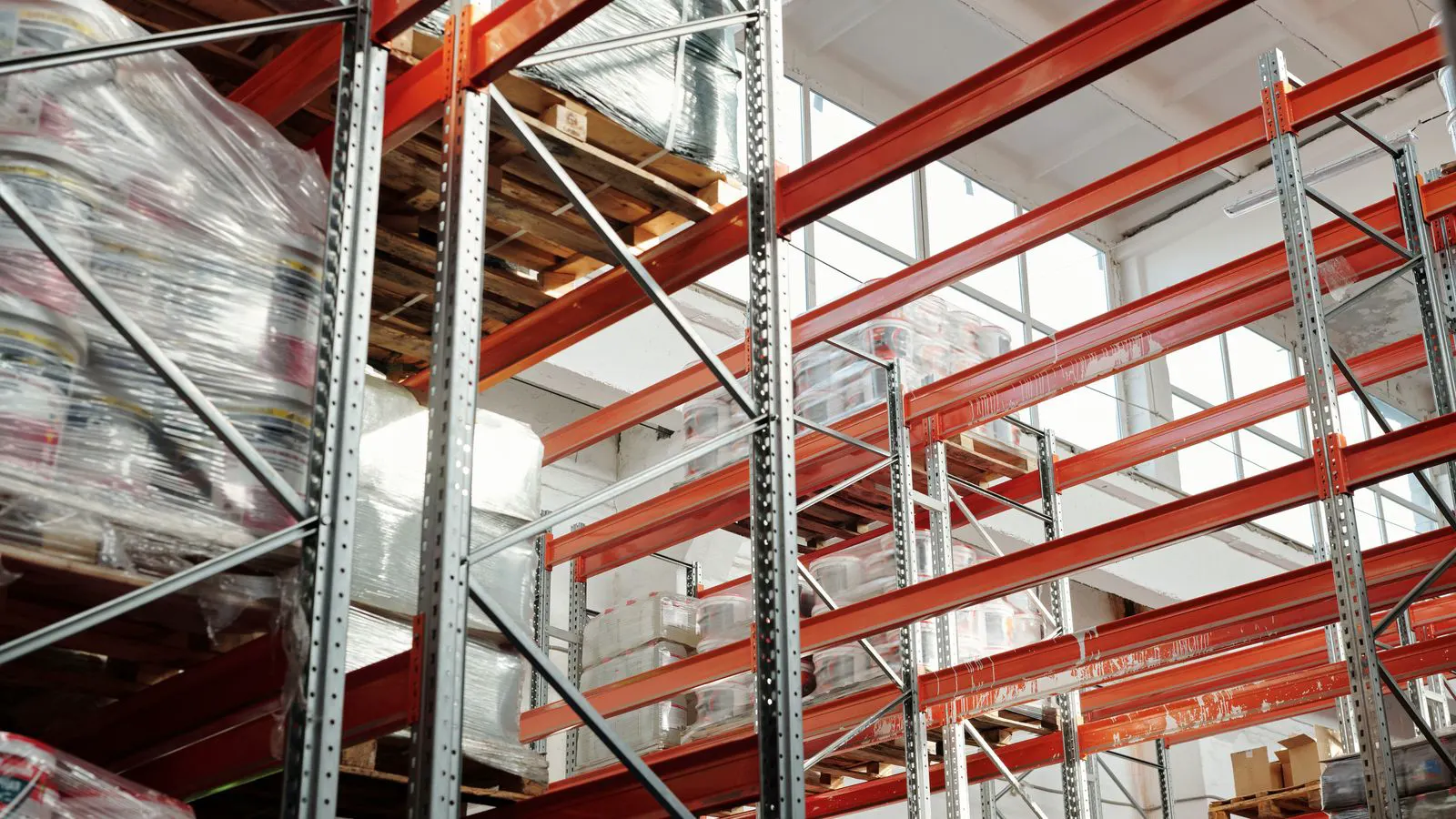
Procurement managers face shifting demand in specialty chemicals. This outlook identifies six key trends affecting performance chemicals and industrial additives. It explains how sourcing strategies must adapt to regulation, formulation, and supply chain changes to secure stable, high-performance inputs.
- Regulatory pressure is driving a shift from high-impact additives toward lower-toxicity or bio-based alternatives.
- Formulation complexity requires suppliers with deeper technical support and precise quality control.
- Supply chain concentration in key regions is pushing buyers to diversify sourcing and qualify secondary suppliers.
- Performance data and application testing are replacing generic specifications as the basis for purchase decisions.
- Inventory and contract strategies must balance near-term demand with long-term material substitution risks.
Regulatory and Environmental Pressures
The procurement environment for specialty chemicals is changing. Environmental regulations and customer sustainability requirements are moving from general guidance to enforceable thresholds. Buyers no longer treat compliance as a back-office task. It now shapes which additives can enter the supply chain at all.
In many industrial sectors, the list of acceptable substances is narrowing. Additives with persistent, bioaccumulative, or toxic profiles face increasing scrutiny. Even where a product is not banned outright, the cost of compliance documentation and substitution testing is rising. Procurement teams must now evaluate the regulatory status of a material before negotiating price or lead time.
This shift affects sourcing in two ways. First, existing contracts may become harder to renew if a specified additive falls out of favor. Second, new products must be designed around materials that have a clearer regulatory future. Buyers should ask suppliers for regulatory roadmaps and substitution guidance. A supplier that can explain why a material is stable under current rules and what alternatives exist if rules tighten is more valuable than one that only offers a lower price.
The practical step is to audit the current bill of materials for high-risk additives. Identify any material that appears in multiple products and has no approved substitute. For these items, begin qualification of alternatives early. Do not wait for a customer audit or regulatory notice. The cost of a qualified substitute is always lower than the cost of an emergency redesign.
Formulation Complexity and Technical Support
The demand for performance chemicals is moving away from standard grades toward highly customized formulations. Industrial processes are becoming more demanding. Buyers need additives that maintain stability across a broader range of temperatures, pH levels, and mechanical stresses. A generic additive that worked in a simpler process may fail in a new one.
This complexity changes the relationship between buyer and supplier. Technical support is no longer optional. Procurement managers need suppliers who can help troubleshoot application issues, interpret test data, and recommend formulation adjustments. A supplier that only provides a data sheet and a price list is less useful than one with an application engineer who understands the specific process.
The risk here is hidden performance degradation. An additive may meet every specification on the datasheet but still cause problems in the final product. This happens when the specification does not capture the interaction with other materials in the system. The buyer must build technical testing into the procurement process. Small sample trials, application testing, and full-scale pilot runs should be standard before a supplier is qualified.
To prepare, procurement teams should create a technical scorecard for suppliers. This scorecard should include response time for technical questions, availability of application data, willingness to support pilot testing, and clarity of specification limits. A supplier with strong technical support can reduce the cost of failure. It shortens the time to resolve problems and prevents the purchase of materials that do not fit the application.
Supply Chain Concentration and Diversification
Global supply chains for industrial additives remain concentrated in a few regions. Key production clusters handle a large share of specialty chemical output. This concentration creates vulnerability. A disruption in one region, whether from logistics, energy costs, or demand shocks, can affect multiple buyers simultaneously.
Diversification is becoming a standard planning requirement. However, qualifying a secondary supplier is not a simple task. It requires testing, documentation, and sometimes process changes. Buyers cannot simply switch suppliers when a problem arises. The secondary supplier must be qualified before the primary supply fails.
The strategy here is to avoid single-source dependency for critical additives. Identify the materials that have no practical substitute and that directly impact product performance. For these items, qualify at least one alternative source. This may involve a smaller regional supplier or a different chemical manufacturer. The goal is to have a viable fallback, even if it carries a higher unit cost.
Procurement managers should map the supply chain for each critical additive. Identify the points of failure. Where is the raw material sourced? What is the production capacity? How long is the lead time? A detailed map reveals the weak points. It also helps negotiate better contracts. If a supplier knows the buyer has an alternative, the supplier is more likely to offer better terms and prioritize the account.
Performance Data Over Generic Specifications
Buyers are moving away from accepting generic specifications as the sole basis for purchasing. The market is crowded with materials that claim to be high-performance. The difference between a truly effective additive and a standard one often lies in application-specific data. Generic specs tell you what a material is. Application data tells you what it does in your process.
This shift requires buyers to be more rigorous in their evaluation. It means asking for test results under conditions that mimic the actual production environment. It means reviewing batch-to-batch consistency data. It means understanding how the additive interacts with other components in the final formulation.
Suppliers who provide this level of data gain a significant advantage. They can justify premium pricing based on verified performance. They can also reduce the risk of disputes. If a material fails, the buyer and supplier have a shared record of the expected performance. This clarity protects the buyer and improves the supplier’s reputation.
To prepare, procurement teams should standardize their data requests. Create a template that asks for specific test results, batch data, and application case studies. Do not accept vague claims of “high performance” or “industry leading.” Ask for the numbers. The supplier’s willingness to provide detailed data is a strong indicator of their technical capability and confidence in their product.
Inventory and Contract Strategy
The volatility in raw material costs and supply availability is forcing a rethink of inventory and contract strategies. Long-term fixed-price contracts offer stability but can become expensive if market prices drop. Short-term contracts offer flexibility but increase exposure to price spikes and supply disruptions.
The optimal strategy is a hybrid approach. For high-usage, high-stability additives, long-term contracts with price adjustment mechanisms can provide predictability. For lower-usage or rapidly changing materials, shorter contracts with flexible pricing may be better. The key is to match the contract length to the volatility of the material and the confidence in the supplier’s ability to deliver.
Inventory management also needs adjustment. Just-in-time strategies are risky for specialty chemicals. Holding a small buffer stock of critical additives can prevent production stoppages. The cost of holding inventory is usually lower than the cost of a production shutdown. Buyers should calculate the true cost of stockouts. It includes not just the material cost, but also the cost of overtime, expedited freight, and lost customer confidence.
Procurement managers should review their current inventory levels for critical additives. Identify any material that has no buffer stock and is used in a high-volume product. For these items, increase the safety stock. Negotiate with suppliers for smaller, more frequent deliveries to reduce the cost of holding inventory. The goal is to balance cost and risk.
Supplier Qualification and Relationship Management
The relationship with suppliers is becoming more technical and collaborative. The days of viewing suppliers as mere vendors are over. The best procurement relationships are built on shared technical goals and clear communication. A supplier who understands the buyer’s process can offer better products and faster support.
Qualification processes need to be updated. They should include technical reviews, site visits, and joint problem-solving sessions. A supplier that passes a simple quality audit but cannot troubleshoot a complex application issue is not fully qualified. The qualification process should test the supplier’s ability to work with the buyer’s technical team.
Communication channels must be defined. Who handles technical questions? Who manages regulatory updates? How are price changes communicated? Clear protocols reduce friction and prevent misunderstandings. A structured relationship management process ensures that both parties are aligned on goals and expectations.
Procurement teams should invest in building these relationships. Spend time understanding the supplier’s challenges. Discuss long-term goals. Share market intelligence when appropriate. A collaborative relationship leads to better outcomes. It results in faster innovation, more reliable supply, and a partner who is motivated to succeed with your business.
Conclusion
The sourcing of specialty chemicals is entering a new phase. The trends are clear. Regulatory pressure, technical complexity, and supply chain risk are reshaping how buyers procure performance chemicals and industrial additives. The strategy must adapt.
Buyers should audit their current materials for regulatory risk. They should qualify secondary suppliers for critical additives. They should demand application-specific data rather than generic specifications. They should adjust inventory and contract strategies to balance cost and risk. And they should build collaborative relationships with suppliers who can support technical goals.
The outcome of these actions will be a more resilient sourcing strategy. It will reduce the risk of supply disruptions and performance failures. It will position the buyer to take advantage of new materials and technologies. The future of specialty chemicals procurement is not about finding the lowest price. It is about securing the right material, with the right support, at the right time.
Frequently asked questions
What is the biggest risk for buyers sourcing specialty chemicals in 2026?
The biggest risk is regulatory change that forces an emergency substitution. Materials that are currently approved may face new restrictions, requiring a rapid redesign.
How can buyers reduce the cost of supply chain disruptions?
Buyers can reduce cost by qualifying secondary suppliers and holding buffer stock for critical additives. This prevents production stoppages and the high cost of expedited sourcing.
Why is technical support from a supplier more valuable than a low price?
Technical support helps buyers select the right additive and troubleshoot application issues. This reduces the risk of product failure and the cost of emergency fixes.
What should buyers look for in a supplier’s qualification process?
Buyers should look for suppliers who provide detailed application data, are willing to support pilot testing, and have clear communication channels for technical issues.
How should buyers manage inventory for high-risk additives?
Buyers should hold a small buffer stock of critical additives and negotiate for smaller, more frequent deliveries. This balances the cost of inventory with the risk of stockouts.