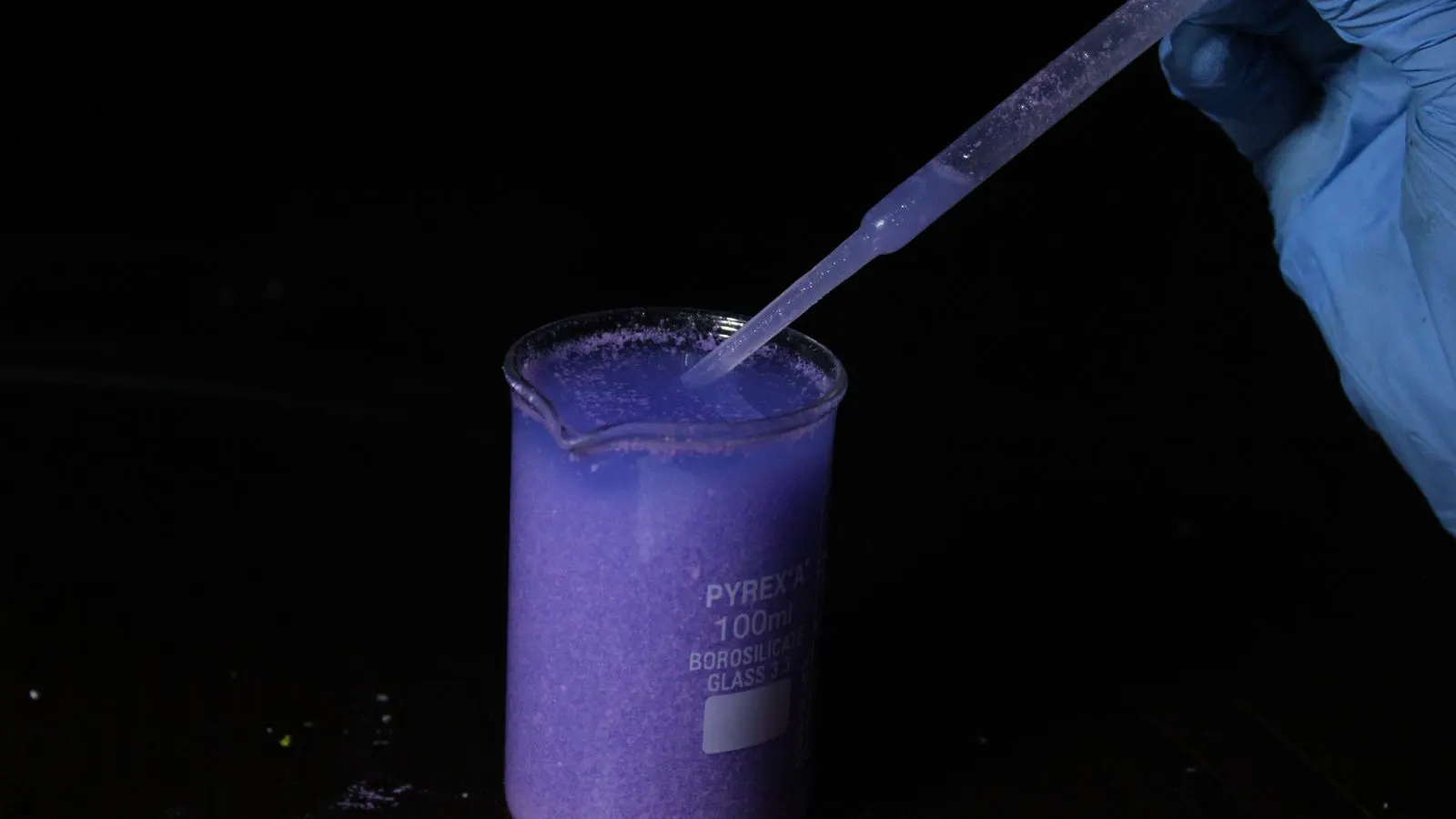
Inconsistent results with custom formulations usually trace to raw material drift, dosing calibration, or batch interaction. Plant engineers can isolate the root cause by checking supplier certificates, verifying line equipment, and running controlled tests.
- Verify raw material identity against certificates before every production run to catch supplier substitution.
- Audit dosing pumps, valves, and flow sensors regularly because mechanical drift is a common cause of variance.
- Run small-scale compatibility tests when combining performance chemicals with new base materials or solvents.
- Document every operational change, including ambient temperature shifts and line speed adjustments.
- Keep a dedicated logbook for each custom additive program to track trends over time.
Plant engineers often face a frustrating reality with custom formulations. A blend that produces consistent output for months can suddenly fail during a routine changeover. The results may show uneven coating thickness, altered drying times, or unexpected phase separation in the tank.
This problem rarely points to a single failure. It usually involves a chain of small variations. A supplier changes a raw material source. A pump seal wears out and shifts flow rate by a fraction. Ambient temperature changes affect viscosity. Each factor is small on its own, but together they push the final product outside its target specification.
The following sections break down the common symptoms, trace the likely causes, and provide practical fixes. The goal is to help operators and engineers isolate the issue quickly and restore reliable performance.
Understanding the Symptom
Before changing any variable, the team needs a clear description of what is going wrong. “The batch looks bad” is too vague. “The coating cures unevenly and leaves orange spots on the lower half of the substrate” is actionable.
Common symptoms include:
- Color or appearance shifts. The final product shows mottling, streaking, or a color that differs from the approved standard. This often indicates pigment dispersion issues or solvent evaporation problems.
- Viscosity changes. The mixture becomes too thick or too thin. This affects spray patterns, dip coating levels, and curing behavior.
- Phase separation. Solids settle to the bottom of the tank, or an oil phase separates from the liquid base. This suggests the emulsion or suspension has broken.
- Foaming or bubbling. Excessive foam in the application line or during heating indicates surfactant overload or contamination.
- Curing or drying inconsistencies. Parts dry slowly, remain tacky, or cure too fast. This points to incorrect catalyst ratios or humidity impacts.
Document the symptom with photos, measurements, and batch numbers. This record helps distinguish between a one-off anomaly and a systemic process issue.
The Troubleshooting Table
The table below maps common symptoms to their most frequent causes and the immediate actions to take. Use this as a first-pass diagnostic tool.
| Symptom | Likely cause | What to do |
|---|---|---|
| Viscosity drifts over the production shift | Pump wear, ambient temperature change, or solvent evaporation | Check pump seals and calibrate flow meters. Monitor tank temperature and cover open lines. |
| Color variation between batches | Raw material substitution or pigment settling | Request certificates of analysis for all inputs. Implement a thorough mixing protocol to disperse pigments. |
| Unexpected phase separation | Emulsifier breakdown or pH shift outside the stable range | Test pH and conductivity. Re-run the batch with fresh emulsifier if the base material is still compatible. |
| Excessive foaming in the application line | Surfactant contamination or air entrainment | Flush the line with a mild cleaner. Check for air leaks in the suction side and verify surfactant dosing. |
| Curing failures (slow or fast) | Catalyst dose error or high humidity | Verify catalyst metering accuracy. Check ambient humidity and adjust cure time or temperature. |
Raw Material Integrity and Supplier Drift
Custom formulations depend entirely on the input materials. If the supplier switches a resin source or changes a solvent grade, the balance of the blend can shift. This is one of the most common hidden causes of inconsistency.
Engineers should not assume that a new drum of material is identical to the last. Request the Certificate of Analysis (COA) for every incoming lot. Compare key attributes, such as molecular weight, water content, and active ingredient percentage, against the specification sheet used when the formulation was approved.
If the supplier cannot provide a COA, or if the values drift outside the agreed tolerance, hold the material. Do not blend it. A small shift in one component can require re-tuning the entire recipe. If the supplier confirms a change in their own process, request a revised specification before proceeding.
Dosing and Line Equipment Calibration
Mechanical drift is a silent killer of consistency. Dosing pumps, peristaltic tubing, and pressure regulating valves degrade over time. A pump that delivered 100 milliliters per minute last month might deliver 95 or 105 today due to wear in the pump head or tubing.
Perform a physical audit of the dosing equipment at regular intervals. Use a graduated cylinder or a calibrated flow meter to verify actual output. Check for leaks in the tubing connections. Inspect the pump diaphragms for cracking. If the equipment is older than two years, consider replacing critical seals and tubing proactively.
Also check the flow sensors. If the sensor is fouled by dried chemical residue, it may give a false reading to the control system. Clean the sensor or replace it if the error persists after cleaning.
Compatibility and Interaction Effects
When mixing multiple performance chemicals, the final behavior depends on how the components interact. A surfactant that works well in one base material may destabilize a different one. A catalyst that accelerates curing in a high-temperature process may react too quickly in a low-temperature environment.
If you introduce a new component, even a small additive, run a small-scale trial batch. Test the mixture at the lowest and highest temperatures you expect in production. Check the pH, viscosity, and appearance after 24 hours in storage. This small investment prevents a full production line failure.
Pay attention to contaminants. Water is a common contaminant. Even 1-2% water in a dry chemical can cause hydrolysis or phase separation. Ensure all equipment is dry before use. Use nitrogen blanketing if the chemical is moisture-sensitive.
Environmental and Operational Variables
The production environment directly impacts the final result. Ambient temperature affects viscosity and reaction rates. Humidity impacts curing and drying times. Line speed changes the contact time, which alters the final film thickness.
Monitor the ambient conditions during production. If the plant floor temperature changes by 5-10 degrees Celsius, the chemical behavior will change. Adjust the process parameters accordingly. If the formulation is sensitive to temperature, consider using a heated jacket on the mixing tank or the application line to maintain a steady temperature.
Document line speed changes. If an operator speeds up the conveyor to meet a demand target, the chemical has less time to dry or cure. This can lead to defects that look like a chemical failure but are actually a process failure.
Prevention and Long-Term Stability
Prevention is cheaper than troubleshooting. Establish a routine for your custom additive program.
- Create a standard operating procedure. Document the exact mixing sequence, temperatures, and times. Deviations from this procedure should be logged and reviewed.
- Maintain a batch log. Record every batch with its input COAs, equipment check results, and environmental conditions. Look for trends. If viscosity trends up over three batches, investigate before it becomes a failure.
- Train operators. Ensure the team understands why each step matters. An operator who knows that pH affects emulsion stability will be more careful when adding buffers.
- Review supplier performance. Hold quarterly reviews with key suppliers. Discuss their quality control processes and any upcoming changes in their materials.
- Keep spare parts. Stock critical pump seals, tubing, and filters. A small part failure should not stop a production line.
When to Escalate
If you have checked the raw materials, the equipment, and the environment, and the inconsistency persists, escalate the issue. Contact the formulator. Provide them with the symptom description, the batch log, and the COAs. Ask for a root cause analysis.
Do not assume the formulator is at fault. The issue may be a subtle interaction that was not accounted for in the original design. A collaborative approach between the plant engineer and the chemical supplier is usually the fastest path to a permanent solution.
Frequently asked questions
What is the first step when a custom additive batch fails?
Isolate the batch and stop using it. Document the specific symptom, batch number, and any recent changes to materials, equipment, or environment.
Can I reuse a failed batch if the cause was a dosing error?
Only if the error is small and the failed batch can be corrected by adding the missing component or adjusting the ratio. Test a small sample first to ensure the correction is effective.
How often should I calibrate dosing pumps?
Calibrate them at least quarterly, or more frequently if the chemical is abrasive or if you notice drift in output. Always check after any maintenance or seal replacement.
What should I do if the supplier changes a raw material without telling me?
Reject the material. Request an explanation and a revised specification. If the change affects performance, negotiate a price reduction or seek an alternative supplier.
How do I know if the problem is the chemical or the process?
Run a controlled test. Use a known good batch of the chemical and run it through the standard process. If the result is good, the process is likely at fault. If it fails, the chemical is the issue.