Bulk chemical logistics costs are driven by order volume, transport mode, route complexity, and safety classification. Larger orders lower per-unit freight through volume discounts. Selecting the right mode and documenting requirements clearly helps secure accurate quotes and manage lead times effectively.
- Freight cost per kilogram falls as order volume increases, making volume discounts a major saving lever.
- Transport mode choice shifts cost and lead time trade-offs. Road is fast and flexible. Sea and rail are cheaper for heavy or long-distance loads.
- A clear RFQ with safety data, packaging specs, and delivery windows prevents quote rework and pricing errors.
- Always compare quotes on the same basis. Align Incoterms, packaging, and delivery points before judging price differences.
Bulk chemical logistics is where procurement budgets meet physical reality. A chemical may be cheap on paper, but freight can add a significant percentage to the landed cost, especially when volumes are small or routes are complex. Understanding what drives these costs helps buyers structure orders, negotiate better terms, and avoid surprises at the dock.
What drives bulk chemical freight costs
Several factors determine the final freight bill. The base cost is usually the distance and mode, but safety classification, packaging, and seasonal demand can push it higher or lower.
The most direct driver is the weight and volume of the shipment. Chemicals are often dense liquids or powders. A ton of liquid polymer weighs far more than a ton of lightweight granulated product. Carriers price by weight, volume, or a combination, so the shape of the load matters as much as the mass.
Safety classification changes handling costs. A non-hazardous bulk powder can travel in standard trailers. A corrosive or flammable liquid requires a tank truck with specific materials, placarding, and driver certification. Each step adds to the price.
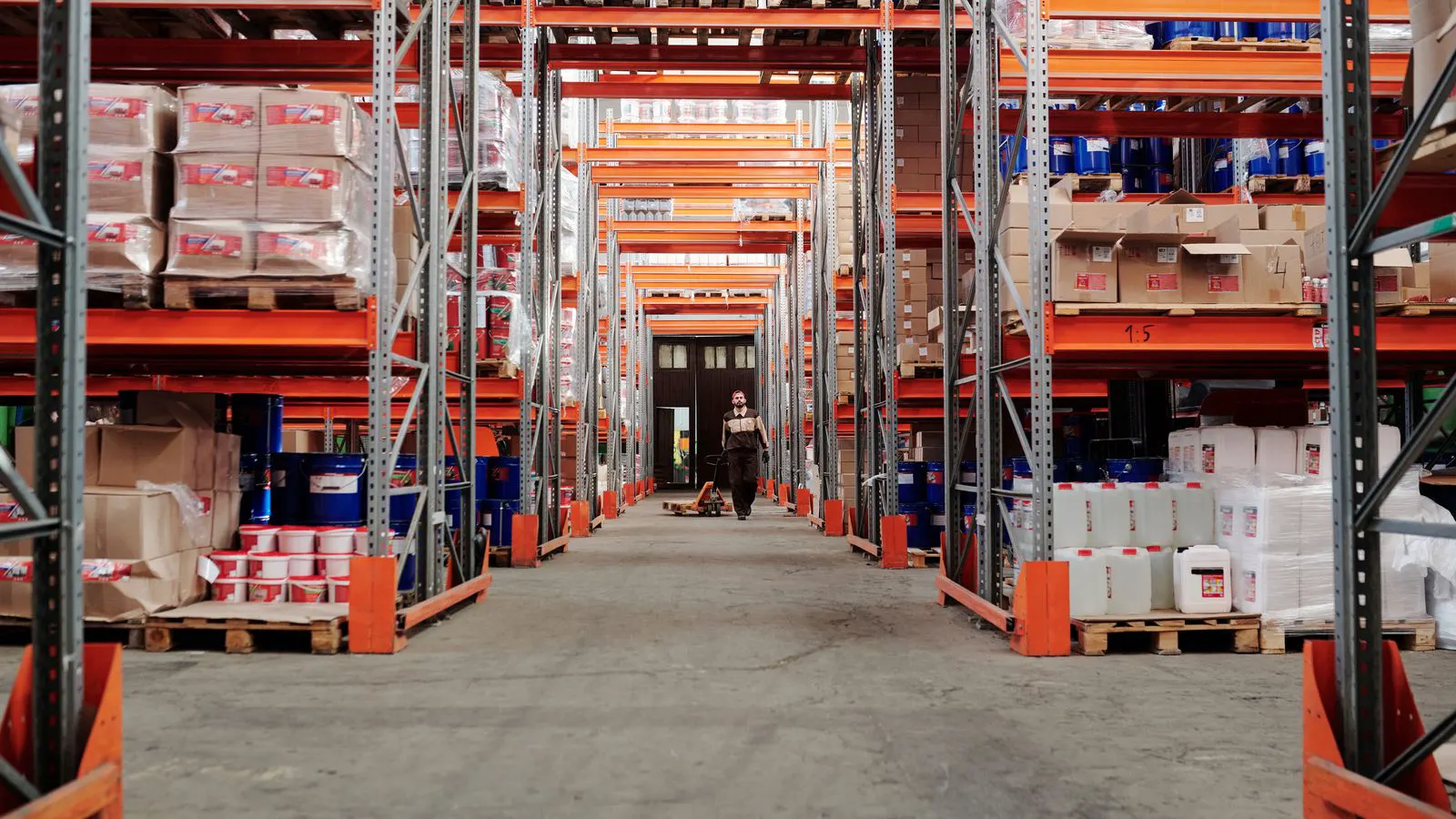
Packaging is another major factor. Bulk shipments use IBC totes, drums, ISO tanks, or tankers. A 3,000-liter IBC is cheaper per kilogram than twenty 150-liter drums because the labor, handling, and material cost per unit drops. The choice of packaging also affects how much product fits in one truck or container.
Route complexity adds cost. A direct run from plant to customer is simple. A route with transloads, terminal transfers, or port calls multiplies handling fees. Every extra mile, every extra lift, and every extra day in storage increases the invoice.
How order volume changes the freight equation
Volume is the single most effective lever for reducing per-unit freight costs. Carriers and forwarders build their pricing models around fixed and variable costs. Fixed costs, such as dispatch, paperwork, and equipment allocation, stay the same whether you ship one ton or ten tons. Variable costs, such as fuel and driver hours, rise with distance and load.
When you increase volume, the fixed costs spread across more product. A truck carrying three full IBCs to a single destination is more efficient than three half-loaded trucks to three different sites. This efficiency is why freight volume discounts appear in most chemical shipping contracts.
These discounts are not automatic. They usually apply when you commit to a minimum volume over a defined period. A buyer who ships 500 tons per month to one customer may qualify for a lower rate than a buyer who ships 100 tons to five different locations. The discount may be a percentage off the base rate or a tiered structure where the rate drops after each threshold.
There is a trade-off. Larger volumes often require larger or more specialized equipment. A tanker truck is more expensive to dispatch than a standard box truck. If the discount does not cover the higher equipment cost, the per-unit saving may be smaller than expected. Always calculate the total landed cost, not just the freight line.
Lead time also shifts with volume. Carriers may reserve full tankers for large, regular orders. Small, sporadic orders may share trailer space, which is cheaper but slower. If your production line needs a steady supply, a dedicated equipment arrangement may cost more upfront but reduces the risk of delays.
Road, rail, sea, and multimodal options
The transport mode sets the baseline for cost and speed. Each mode has a different cost profile and a different set of constraints.
Road transport is the default for most domestic bulk chemical moves. It offers door-to-door service and flexible timing. A tank truck can leave the plant in the morning and arrive at the customer the next day. The cost is higher per kilometer than rail or sea, but the flexibility is unmatched. For short distances, road is often the only practical option.
Rail is a strong option for heavy, long-distance bulk loads. A railcar can carry many tons of product over a fixed route. The cost per ton drops significantly over long distances. The catch is that rail requires transfer. Product must move from the plant to the rail yard and from the rail terminal to the customer. Those transfers add handling cost and lead time. Rail works best when the route is stable and the volumes are high enough to justify the transfers.
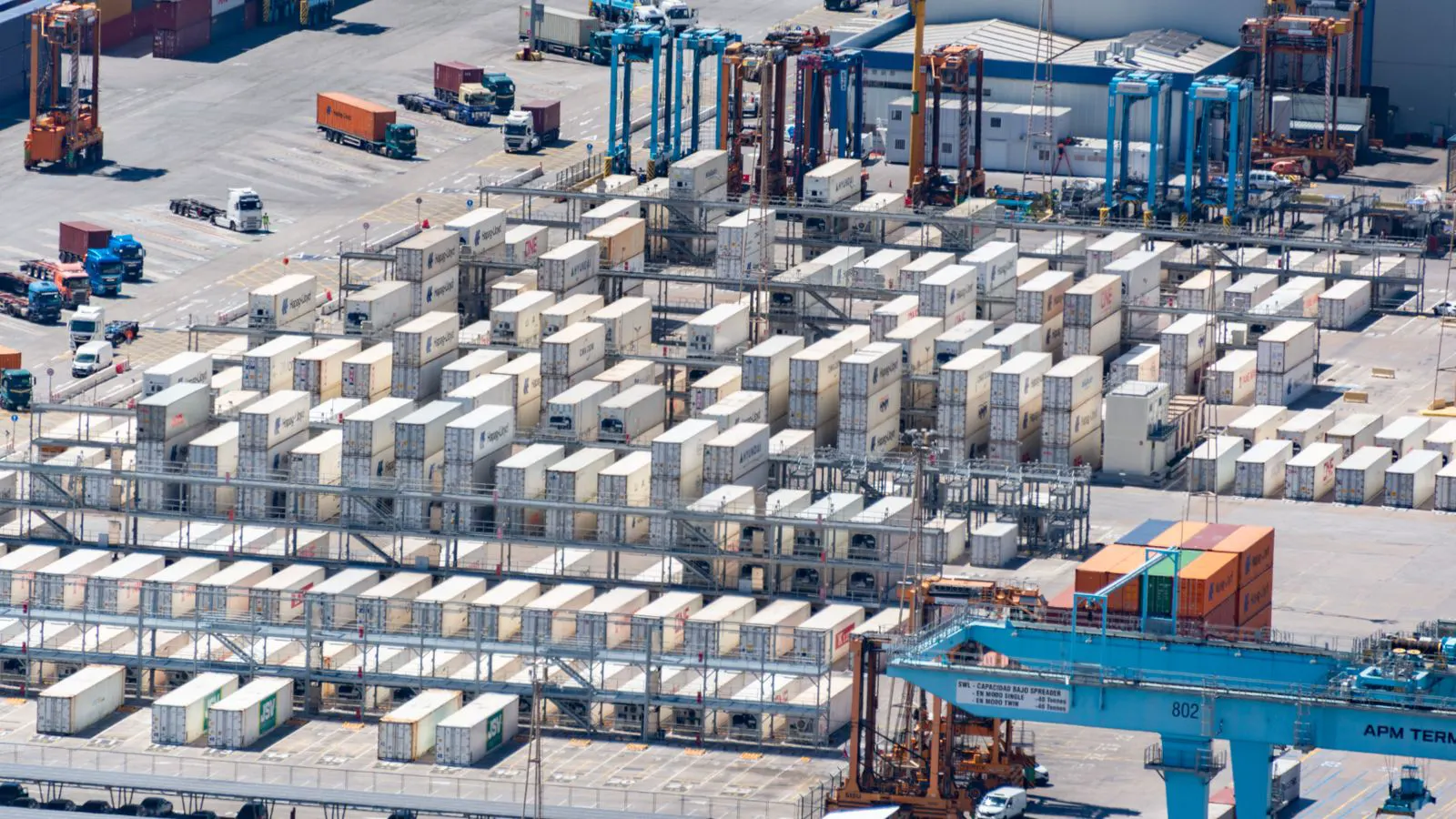
Sea freight is the cheapest option for intercontinental or long domestic coastal moves. A full tank container or a bulk tanker can carry thousands of tons at a low per-unit cost. However, the lead time is measured in weeks, not days. Port operations, customs clearance, and terminal storage add complexity. Sea freight makes sense when the product can be stored or when the volume is large enough to fill a full vessel.
Multimodal combinations are common. A product might travel by road to a rail terminal, then by rail to a coastal port, and finally by ship to a destination port. Each transfer point adds a cost line. The benefit is that each leg uses the most efficient mode for its distance.
How to write a clear RFQ
A vague request produces a vague quote. If you ask for a “chemical shipment from plant A to plant B,” the forwarder will have to make assumptions. They will pick a default mode, a default packaging type, and a default delivery window. The resulting quote may not match your actual needs.
A strong RFQ specifies the product, the quantity, the packaging, and the route. Include the chemical name, the CAS number, the physical form, and the UN number if it is hazardous. State the weight and the volume. If the product is a liquid, give the density so the forwarder can calculate the load correctly.
Specify the packaging exactly. Do not say “drums.” Say “150-liter steel drums with UN certification.” Do not say “totes.” Say “1,100-liter IBCs with pallets.” The difference in handling cost between these two options is significant.
State the origin and destination addresses clearly. Include the terminal or dock if the customer requires delivery to a specific loading bay. Note any access restrictions, such as height limits or time windows for delivery.
Add the required documents. Chemical shipments need a certificate of analysis, a safety data sheet, and a dangerous goods declaration if applicable. If the customer requires a specific format or language, say so. Missing documents can hold a shipment at a border or a terminal, and the carrier will charge detention or storage fees.
How to compare quotes fairly
Two quotes can look very different even when they cover the same route. The difference may come from Incoterms, packaging, or hidden handling fees. Before you pick the lowest number, put the quotes on the same basis.
Check the Incoterm. EXW means the seller handles nothing after the factory gate. FOB means the seller pays to the vessel. CIF means the seller pays to the destination port. DAP means the seller pays to the customer door. The freight cost in the quote may cover different parts of the journey. A low EXW price may hide high local charges at the destination.
Check the packaging. One quote may assume IBCs, and another may assume drums. The freight cost differs because the handling and space requirements differ. If your plant can produce both, ask for quotes on both options and compare the total cost.
Check the lead time. A cheaper quote that takes three weeks may be worse than a more expensive quote that takes three days if your production line cannot wait. Include the cost of inventory holding in the comparison. A slow shipment ties up working capital and may force you to buy more safety stock.
Check the payment terms. Some carriers charge upfront. Others charge on delivery. A net-30 term may be worth a small price premium if it improves your cash flow.
A practical framework for bulk chemical logistics
The following table summarizes the main cost drivers. It is a useful checklist when reviewing a quote or planning a new route.
| Cost Driver | What It Affects | Typical Levers |
|---|---|---|
| Volume and weight | Base freight rate, per-unit cost | Order size, consolidation, packaging type |
| Transport mode | Speed, cost, flexibility | Road, rail, sea, multimodal selection |
| Safety classification | Equipment, permits, handling fees | UN classification, packaging material, documentation |
| Route complexity | Handling fees, lead time | Direct vs. transload, number of stops |
| Seasonal demand | Rate volatility | Forward booking, off-peak scheduling |
| Documentation quality | Clearance time, storage risk | SDS, COA, DG declaration, customs forms |
A practical approach is to build a baseline. Pick your standard product, your standard packaging, and your main route. Get quotes from two or three carriers for that baseline. Then test changes. What happens to the cost if you move from drums to IBCs? What if you add a second destination? What if you switch from road to rail?
These tests reveal where the real savings are. Sometimes the biggest saving is not in the freight rate but in the packaging change. Sometimes it is in consolidating two small shipments into one larger load. The baseline gives you a reference point for every change.
Common mistakes that inflate cost
Buyers often try to save on freight by cutting corners elsewhere. The result is higher cost and more risk.
One mistake is underestimating the cost of small, frequent shipments. A buyer who orders 100 kilograms per week pays a premium per kilogram compared to a buyer who orders 5,000 kilograms per month. The saving from larger orders is real, but it requires a change in how the product is scheduled.
Another mistake is ignoring storage. If the customer has limited dock space, a slow or late shipment creates a backlog. The carrier may charge detention, or the customer may reject the load. The freight saving is wiped out by the penalty.
A third mistake is assuming the cheapest quote is the safest. A carrier with the lowest rate may use a smaller tank truck, a shared trailer, or a less experienced driver. For hazardous products, this increases the risk of a spill or a delay. The cost of a single incident can exceed the savings from the lower rate.
Finally, buyers sometimes forget to review the contract annually. Routes change. Volumes change. Carrier capacity changes. A rate that was fair two years ago may no longer be competitive. A short review each year, or at least at the start of the year, keeps the pricing aligned with market conditions.
Bulk chemical logistics is a discipline of detail. The product, the packaging, the route, and the volume all interact. When you understand the drivers and structure your RFQ with precision, you can compare quotes fairly and make decisions that protect both cost and delivery reliability.
Frequently asked questions
How do freight volume discounts work in bulk chemical logistics?
Discounts apply when you commit to a minimum volume over a set period. The fixed costs of dispatch and paperwork spread across more product, lowering the per-unit freight rate.
What is the difference between road and sea freight for bulk chemicals?
Road is faster and offers door-to-door service, making it ideal for short distances. Sea is cheaper per ton for long distances but takes weeks and requires port handling.
How does packaging affect chemical shipping costs?
IBCs and tankers reduce handling labor and material cost per kilogram compared to drums. Larger packaging also allows more product per load, improving efficiency.
Why is safety classification a major cost driver?
Hazardous products require specific tank trucks, placarding, and driver certification. These add equipment, labor, and documentation costs that non-hazardous shipments do not have.
What should I include in a chemical freight RFQ?
Include the product name, CAS number, quantity, weight, packaging type, origin and destination, required documents, and any delivery window restrictions. This prevents quote rework and pricing errors.