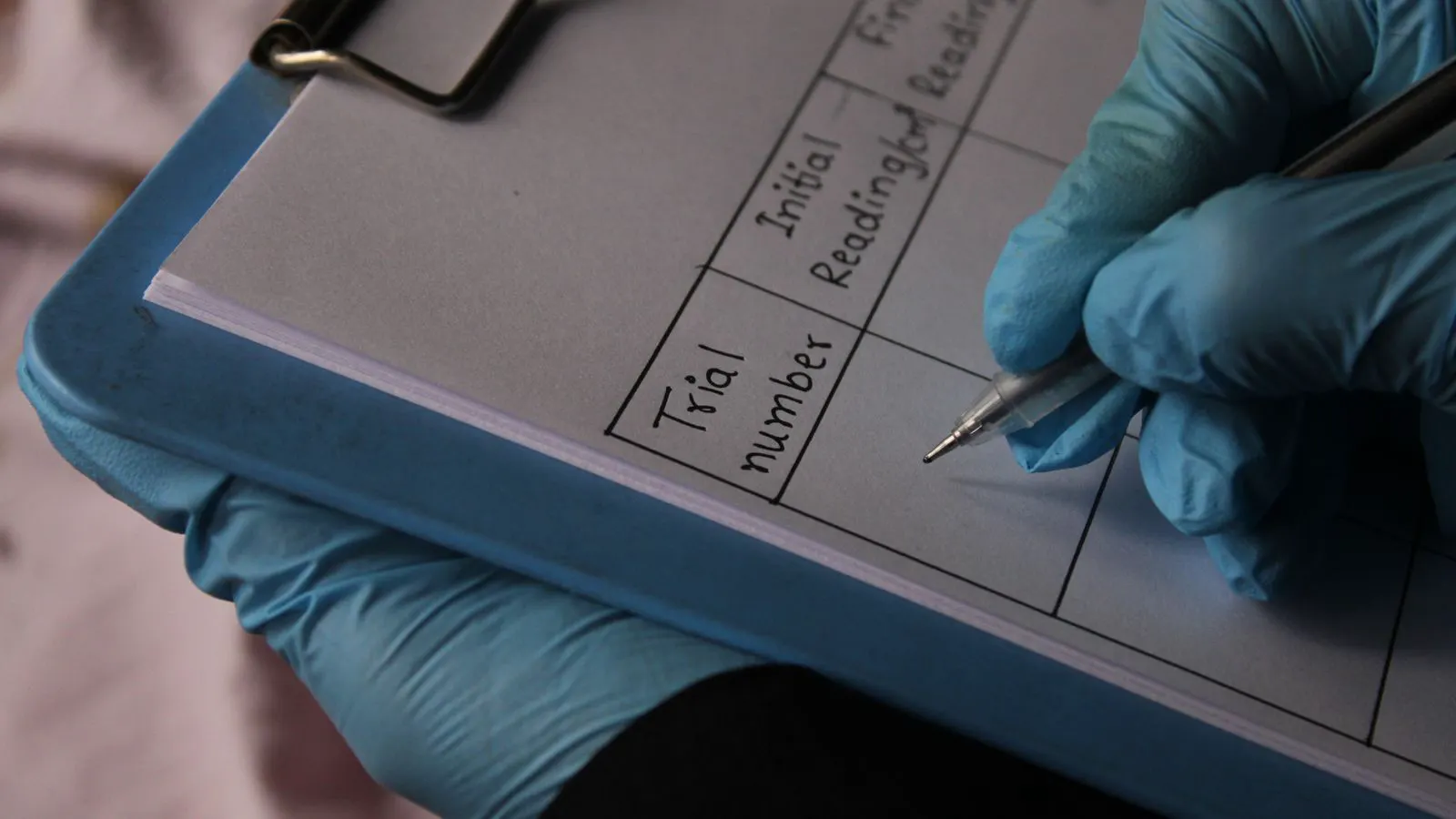
Inconsistent purity in bulk chemical receiving usually stems from sampling errors, storage issues, or supplier QA gaps. Fix this by verifying certificates, testing samples, and tightening receiving protocols.
- Verify purity certificates against actual lab results before accepting bulk shipments.
- Use standardized sampling methods to avoid receiving errors.
- Maintain clear communication with suppliers to trace and correct purity issues.
- Implement receiving checks to catch discrepancies early.
Why Purity Discrepancies Happen at Delivery
Bulk chemical receiving is where specification promises meet physical reality. When the certificate of analysis lists 99.5 percent purity but lab testing shows 98.0 percent, the gap creates real problems. Procurement teams flag the lot, engineering questions the process impact, and quality control has to decide whether to quarantine or reject the material.
These gaps are not rare. They appear when sampling is done incorrectly, when the certificate does not reflect the actual tank contents, or when storage conditions changed between production and delivery. The fix usually involves a combination of better receiving discipline, clearer supplier accountability, and faster lab turnaround.
Consider a shipment of high-purity acid. The supplier’s certificate is generated from a sample taken in their finished goods tank. Three days later, a truck arrives at your dock. The acid in the tanker may have been pumped from a different section of the tank, or it may have sat in the truck for several hours before arrival. Temperature shifts can change the chemical composition slightly, or introduce dissolved gases that affect the final test result.
Another common source of error is the definition of purity itself. Suppliers often report purity based on gravimetric analysis, such as Karl Fischer titration for moisture content. Your internal lab might use infrared spectroscopy or gas chromatography. These methods can yield different numbers even when the material is identical. If the purchase order does not specify the method, the two numbers are not comparable.
The result is a disconnect. The supplier believes they are compliant because their internal test passed. Your lab sees a failure because their method or sample differs. This disconnect turns a routine delivery into a quality event. It forces your team to stop work, investigate, and negotiate with the supplier.
How to Identify the Problem at the Dock
The first sign is often a mismatch between the paperwork and the first test. The certificate of analysis arrives with the truck. It shows high purity. The receiving lab runs a quick check on a sample taken from the drum or tanker. The number is lower than expected.
Other symptoms show up later. A batch of raw material causes off-spec output in the next production run. A customer complaint traces back to the same supplier lot. A safety data sheet lists a purity range that no longer matches what the lab is seeing across multiple deliveries.
In each case, the pattern is the same. The received material does not match the documented specification. The next step is to determine whether the error is in the material, the sample, the test, or the supplier.
Look closely at the initial discrepancy. If the certificate lists 99.9 percent and your lab reads 99.0 percent, is that a meaningful gap? Or is it within the natural variation of the test method? You need to know your lab’s standard deviation before you panic. If your method has a standard deviation of 0.5 percent, a 0.9 percent difference is significant. If your method has a standard deviation of 1.0 percent, it might just be noise.
Check the timing. Did the sample arrive at the dock within a reasonable time of the supplier’s test? If the supplier tested the material ten days ago and you are testing it today, some degradation is possible. If the material is unstable, the time gap matters.
Also, check the container history. Has the drum or tanker been used for another chemical previously? If the previous chemical left a residue, it could contaminate the current lot and lower the purity reading. This is a common issue with secondary packaging.
Common Symptoms, Causes, and Fixes
| Symptom | Likely cause | What to do |
|---|---|---|
| Certificate lists 99.5 percent but lab reads 98 percent | Supplier tested a different sub-batch or sample than the one delivered | Request a corrected certificate and a second independent lab test on the received lot |
| Purity varies between drums in the same shipment | Incomplete mixing in the supplier tank or sampling from a non-representative point | Ask the supplier for mixing records and take samples from multiple drum locations before deciding |
| Purity drops over time after storage | Exposure to moisture or oxygen during transport or warehouse storage | Check packaging integrity, store in controlled conditions, and add a date-based retest requirement |
| Lab results vary between two different tests | Contaminated equipment, poor sample handling, or wrong test method | Calibrate instruments, follow standardized sampling, and retest with a second operator |
| Supplier says purity is within spec but your test says otherwise | Different test methods or different acceptance criteria | Compare the exact test method and tolerance limits on both certificates and align them in the purchase order |
What to Check in the Receiving Process
The receiving process is where most preventable errors happen. A small mistake at the dock can turn into a full production stoppage.
Start with the paperwork. The certificate of analysis should name the supplier, the lot number, the test method, the purity value, and the date. If any of those fields are missing or unclear, do not release the material. A certificate without a lot number is useless. It cannot be traced. A certificate without a test method is ambiguous. It cannot be compared to your internal results.
Then check the physical state. Are the drums sealed? Is the label intact? Does the lot number on the drum match the lot number on the certificate? A mismatch here means the sample you test may not be the material the certificate describes. If the label is smudged or replaced, treat the lot as unknown until proven otherwise.
Next, sample correctly. Take a sample from a representative point. For a drum, take it from the top after agitation if possible. For a tanker, take it from the top and bottom sample ports if available. Record the time, the location, and the person who took the sample.
Finally, run the verification test before the material moves to storage. This is the core of bulk chemical receiving. The material should not enter the warehouse until the lab confirms it matches the specification.
How to Work With the Supplier on Purity Issues
When a discrepancy appears, the supplier is not the enemy. But the supplier is responsible for the material they deliver. The goal is to get a clear answer and a corrective action.
Call the supplier quality contact. State the lot number, the certificate value, and your lab result. Ask for their records. Ask when they tested the lot. Ask what method they used. Ask if any of the material in the shipment was blended with another batch.
If the supplier cannot explain the gap, escalate to their QA manager. Request a corrective action report. Ask for a revised certificate if the first one was in error. If the issue repeats, update the purchase order to require a second certificate or a third-party lab report.
Document everything. Keep the certificates, the lab reports, the email threads, and the phone notes. This record protects your operation and gives the supplier a clear picture of the problem.
Preventing Purity Discrepancies Before They Reach the Dock
The best fix is the one that never happens. Prevention starts with the purchase order.
- Specify the exact purity range in the purchase order. Do not leave it to the certificate alone.
- Require the test method to be named. Different methods give different results.
- Set a tolerance limit. If the spec is 99 percent, state whether 98.9 percent is acceptable or not.
- Require a second certificate or third-party lab for critical lots.
- Train receiving staff on sampling and documentation.
These steps reduce the chance that a bad lot enters the warehouse. They also make it easier to trace a problem back to a specific supplier, shift, or storage condition.
When to Reject or Quarantine the Lot
Not every discrepancy means rejection. Some can be managed.
Quarantine the lot when the lab result is just below spec but the material may still be usable. Hold it in a designated area. Do not release it to production until quality and engineering agree on a disposition.
Reject the lot when the purity is far below spec, when the supplier cannot provide a valid explanation, or when the material poses a safety risk. Return it or dispose of it according to your site procedures.
Keep a simple log. Record the lot number, the date, the discrepancy, the action taken, and the supplier response. Over time, this log shows which suppliers are reliable and which ones need stricter controls.
Making the Process Stick
Purity issues in bulk chemical receiving are usually not mysterious. They are a failure of one or more steps in the chain. The certificate does not match the material. The sample is not representative. The test is not done right. The supplier does not have a clear record.
Fix the chain. Check the paperwork. Sample correctly. Test before storage. Talk to the supplier. Document the outcome. Repeat.
That is the whole practice. It is not complicated. It is just easy to skip under pressure. Do not skip it. A clean receiving process is the cheapest insurance your operation will ever buy.
Frequently asked questions
What is the fastest way to verify chemical purity on delivery?
Take a representative sample from the drum or tanker and run the same test method named in the certificate of analysis. Compare the result to the supplier value before releasing the material.
Can I accept a lot if the purity is slightly below spec?
Only if your quality and engineering teams agree it is acceptable for the intended use. Otherwise, quarantine it and get written approval from the supplier before any release.
What documents should I keep for a purity discrepancy?
Keep the certificate of analysis, the lab test report, the purchase order, the email threads, and the phone log. This record is needed for supplier follow-up and internal review.
How do I know if the supplier tested the wrong batch?
Ask for their test records and the tank or drum identifiers. If the lot number on the certificate does not match the physical label, or if their records do not align with your lab result, treat it as a possible batch mix-up.
Should I require a third-party lab for every shipment?
Not necessarily. Use a third-party lab for high-risk lots, critical processes, or suppliers with a history of discrepancies. For routine shipments, an internal lab test is usually enough if the method and tolerance are clear.