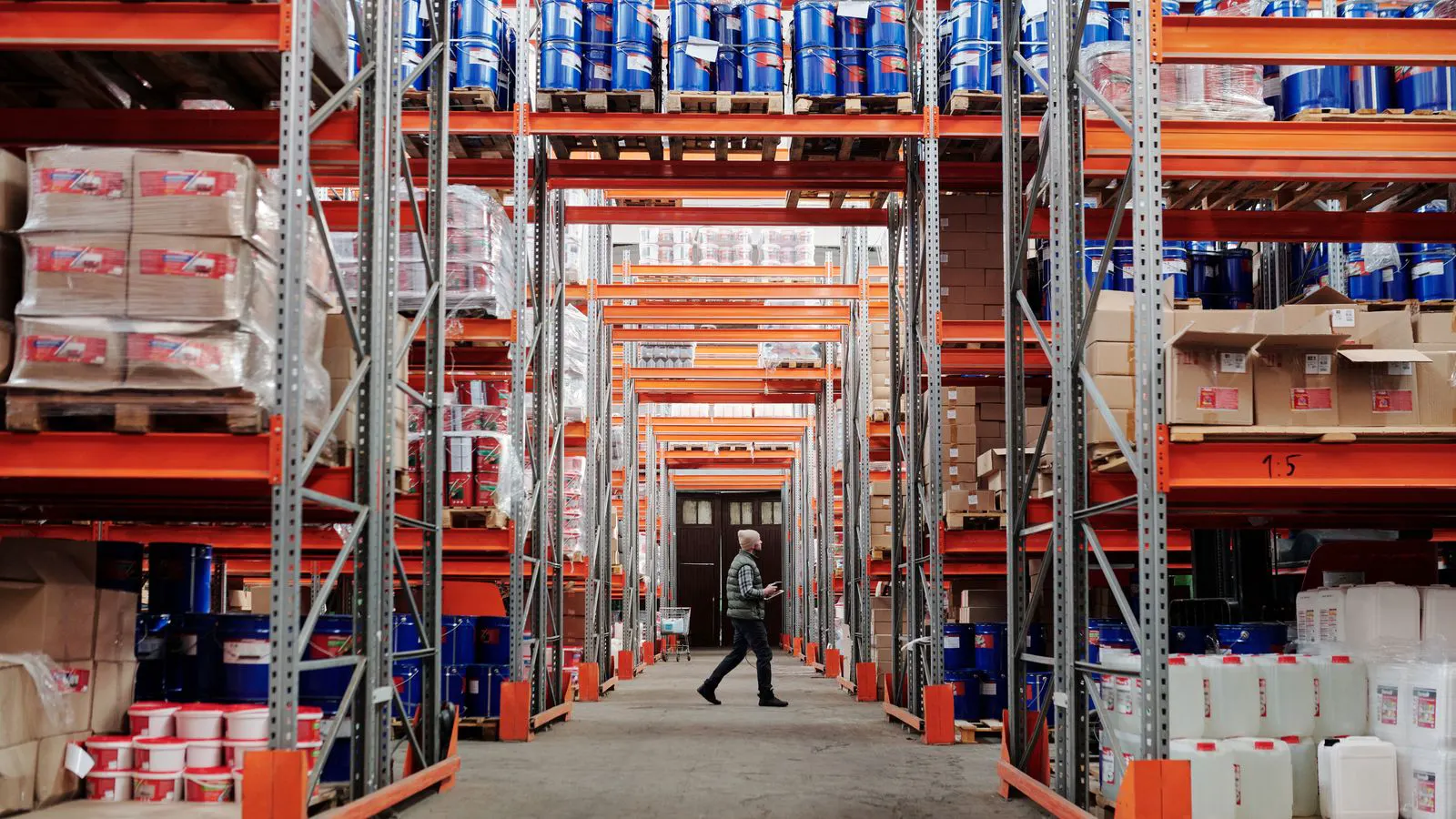
Industrial additive pricing and delivery depend on raw material costs, logistics, and regulatory compliance. This guide explains how to structure RFQs, identify hidden cost drivers, and compare quotes fairly to secure stable supply in tight markets.
- Cost volatility for niche additives usually stems from raw material availability and logistics constraints rather than supplier markup alone.
- A well-structured RFQ that specifies grades, purity, and packaging reduces quote ambiguity and improves delivery accuracy.
- Comparing quotes requires standardizing currency, freight terms, and minimum order quantities before evaluating price differences.
- Long-term agreements with clear escalation clauses can protect against sudden price spikes in volatile markets.
Why Niche Additive Prices Shift Without Warning
Procurement teams managing industrial additives often encounter sudden price changes that do not match their internal budget models. A supplier may quote a stable rate for a specific polymer stabilizer or corrosion inhibitor, only to revise the terms within weeks. This happens because niche additives rarely sit in large-scale inventory. Their supply chains are thin, and any disruption at a single node can ripple through the entire distribution network.
The primary driver is often upstream. If the raw material used to produce a specialty surfactant becomes scarce, the supplier absorbs that cost pressure. They may pass it through to customers immediately, or they may hold the price for a short period to maintain relationships. Both scenarios create uncertainty. Buyers need to understand the source of the volatility to respond appropriately.
Logistics add another layer of complexity. Freight rates fluctuate based on fuel costs, port congestion, and seasonal demand. A container of industrial additives shipping from a distant origin may carry a different landed cost than the same product sourced regionally. These variables make it difficult to predict final pricing without detailed visibility into the supply chain.
Factors That Drive Cost and Lead Time
Understanding the specific mechanics of cost and delivery requires looking at several distinct factors. Each element interacts with the others, creating a complex web of dependencies. The table below summarizes the main drivers and their typical impact on procurement decisions.
| Cost Driver | Description | Typical Impact on Procurement |
|---|---|---|
| Raw Material Availability | Supply of key chemical feedstocks | Direct price pass-through and potential shortages |
| Logistics and Freight | Shipping costs, port delays, fuel surcharges | Higher landed cost and extended lead times |
| Regulatory Compliance | Testing, documentation, import restrictions | Added processing time and administrative costs |
| Production Capacity | Limited plant capacity for niche products | Longer queues and potential order splits |
| Currency Fluctuations | Exchange rate changes for international sourcing | Unpredictable price adjustments on contracts |
| Packaging Requirements | Custom drums, IBCs, or small lab packs | Higher unit costs for non-standard volumes |
Raw material availability remains the most significant variable for many specialty chemicals. When a key ingredient is produced in limited quantities, suppliers must ration their output. This scarcity drives up prices and forces buyers to compete for the same limited supply.
Logistics issues frequently extend lead times beyond what a supplier can control. A delay at a port or a disruption in trucking services can push delivery dates by several weeks. These delays are often outside the supplier’s direct influence, yet they directly affect the buyer’s production schedule.
Regulatory compliance adds hidden costs and time. Importing industrial additives across borders requires detailed documentation, safety data sheets, and adherence to local regulations. Non-compliance can result in rejected shipments or costly rework. Buyers must factor this into their lead time calculations.
How to Write a Clear RFQ for Niche Additives
A vague request for quotation leads to vague responses. Suppliers may quote different grades, purity levels, or packaging options, making comparison difficult. To get accurate pricing and reliable lead times, your RFQ must remove ambiguity.
Start with a precise product description. Include the chemical name, grade, and any specific purity requirements. If the additive is a blend, list the primary components and their proportions. Specify the required documentation, such as safety data sheets and certificates of analysis.
Define the order volume and packaging. State whether you need drums, IBC totes, or bagged product. Include the total annual volume and the expected order frequency. This information helps suppliers allocate capacity and plan logistics.
Specify delivery terms and location. Indicate whether you require FOB, CIF, or DDP pricing. Include the delivery destination and any specific site access requirements. Clarify the required lead time and whether partial shipments are acceptable.
Finally, state the validity period of the quote. In tight supply markets, prices can change quickly. A quote valid for only two weeks may not give you enough time to approve and place the order. Request a longer validity window if your internal approval process is slow.
How to Compare Quotes Fairly
Receiving multiple quotes from different suppliers is useful, but comparing them accurately requires standardization. Suppliers often quote on different bases, which can make a lower price appear more attractive than it actually is.
First, standardize the currency. Convert all quotes to a single currency using a consistent exchange rate. Price differences in currency can distort the true comparison.
Next, align the delivery terms. A quote with DDP pricing includes freight and duties, while a FOB quote does not. Calculate the landed cost for each option to compare apples to apples. Factor in any freight surcharges or insurance costs that may apply.
Review the minimum order quantities. A supplier may offer a lower unit price but require a larger initial order. Calculate the total cost based on your actual required volume, not just the unit price.
Check the lead time assumptions. A quote with a short lead time may include a premium. A longer lead time might reduce the price. Evaluate the cost of holding inventory versus the risk of production delays.
Finally, assess the supplier’s reliability. Look for indicators of capacity, financial stability, and past performance. A slightly higher price from a reliable supplier may save more than a lower price from an unstable one.
Managing Risk in Tight Supply Markets
Tight supply markets require a different approach than standard procurement. The focus shifts from minimizing cost to securing availability. Buyers must balance price optimization with supply assurance.
Consider dual-sourcing or multi-sourcing. Qualify at least two suppliers for critical additives. This reduces dependency on a single source and provides a backup if one supplier faces a disruption. It also strengthens your negotiating position.
Negotiate long-term agreements with clear terms. A multi-year contract can lock in pricing and secure capacity. Include escalation clauses that define how prices can adjust based on documented cost increases. This provides predictability while allowing for market changes.
Build strategic inventory. For high-risk additives, hold a buffer stock of several months. This protects against sudden shortages and gives you time to find alternative suppliers if needed. Calculate the carrying cost of inventory against the risk of production stoppages.
Develop relationships with suppliers. Share your demand forecasts and production plans. Suppliers are more likely to prioritize orders from buyers who provide visibility. Regular communication helps identify potential issues early and allows for collaborative problem-solving.
Practical Steps for Procurement Teams
Implementing these strategies requires structured action. Procurement teams should follow a consistent process to manage niche additive sourcing.
- Identify critical additives. List all industrial additives used in your production process. Rank them by criticality based on impact on production and difficulty of sourcing.
- Analyze supply risk. For each critical additive, assess the supplier landscape. Identify single-source dependencies and potential bottlenecks.
- Develop an RFQ template. Create a standard RFQ format that includes all necessary details. Use this template for all requests to ensure consistency.
- Standardize quote comparison. Build a comparison tool that normalizes currency, delivery terms, and order quantities. This ensures fair evaluation of quotes.
- Negotiate flexible contracts. Work with suppliers to create agreements that balance price stability with supply assurance. Include clear terms for volume adjustments and price changes.
- Monitor market conditions. Track raw material prices, logistics costs, and regulatory changes. Use this information to anticipate market shifts and adjust your sourcing strategy proactively.
- Review and update regularly. Reassess your additive sourcing strategy periodically. Market conditions change, and your needs may evolve. Keep your strategy aligned with current realities.
By taking these steps, procurement teams can move from reactive purchasing to strategic supply management. The result is greater stability, lower risk, and improved cost control for niche industrial additives.
Common Mistakes to Avoid
Many procurement teams make predictable errors when sourcing niche additives. These mistakes can lead to higher costs, delays, and supply disruptions.
Quoting without specifying grades. Vague product descriptions lead to mixed quotes and confusion. Always state the exact grade and purity required.
Ignoring landed costs. Comparing unit prices without factoring in freight and duties can result in unexpected expenses. Calculate the full landed cost for each quote.
Relying on a single supplier. Single-source dependencies create significant risk. Qualify alternative suppliers to ensure continuity.
Neglecting regulatory requirements. Incomplete documentation can cause shipments to be held or rejected. Verify all compliance requirements before placing orders.
Failing to build inventory buffers. In tight markets, waiting for just-in-time delivery is risky. Hold strategic inventory for high-risk additives to protect production.
Final Thoughts
Sourcing industrial additives in tight supply markets requires a deliberate approach. Price volatility and lead time risks are not just market conditions; they are factors that can be managed with the right strategy. By understanding the underlying cost drivers, writing clear RFQs, and comparing quotes fairly, procurement teams can secure reliable supply and control costs. The key is to treat niche additive sourcing as a strategic function, not a routine transaction. With structured processes and proactive risk management, your organization can navigate these challenges effectively.
Frequently asked questions
What is the main reason for price volatility in niche industrial additives?
The primary driver is often raw material scarcity. When key feedstocks become limited, suppliers pass through higher costs or ration supply, leading to price increases and delivery delays.
How should I structure an RFQ for specialty chemicals?
Include precise product specifications, grade, purity, packaging, delivery terms, and location. State the total volume and order frequency, and request a clear quote validity period to avoid ambiguity.
What delivery terms should I prioritize when comparing quotes?
Standardize all quotes to a single delivery term, such as DDP, to calculate the true landed cost. This includes freight, insurance, and duties, allowing for an accurate price comparison across suppliers.
Is it better to buy in bulk or order small quantities for niche additives?
It depends on the specific additive and market conditions. Bulk orders may reduce unit costs but increase storage and obsolescence risk. Small orders offer flexibility but can face higher per-unit pricing and longer lead times.
How can I protect against sudden supply disruptions?
Qualify multiple suppliers, hold strategic inventory buffers, and negotiate long-term agreements with clear escalation clauses. This multi-layered approach reduces dependency on any single source and provides a safety net.