This audit checklist covers the physical, administrative, and emergency controls required for safe acid and alkali storage. It helps engineers and buyers verify containment, labeling, PPE, segregation, and spill response readiness in plant or warehouse environments.
- Secondary containment must match the largest container volume and account for liquid height, not just weight.
- Segregation zones for acids and alkalis should be separated by physical barriers or distinct floor areas.
- PPE selection depends on the specific chemical, concentration, and task, not just a generic acid suit.
- Spill kits must be stocked, inspected, and accessible without requiring operators to walk through active storage lanes.
- Training records should match the actual chemicals present and the specific handling tasks performed.
A failed acid and alkali storage area usually shows the same signs. A leaking lid, a missing label, a spill kit locked in a cabinet, or a containment tray too shallow for the drum it holds. These gaps do not always cause an incident on the day the audit happens. They accumulate. They become the background condition of a site that looks safe until it is not.
This checklist is built for that moment. It is not a substitute for local regulations, manufacturer safety data sheets, or site-specific risk assessments. It is a working tool for the people who walk the floor, check the storage, and sign off on the controls.
1. Container and Pallet Integrity
Check every container before you move to the next item. A storage area is only as safe as the weakest container in it.
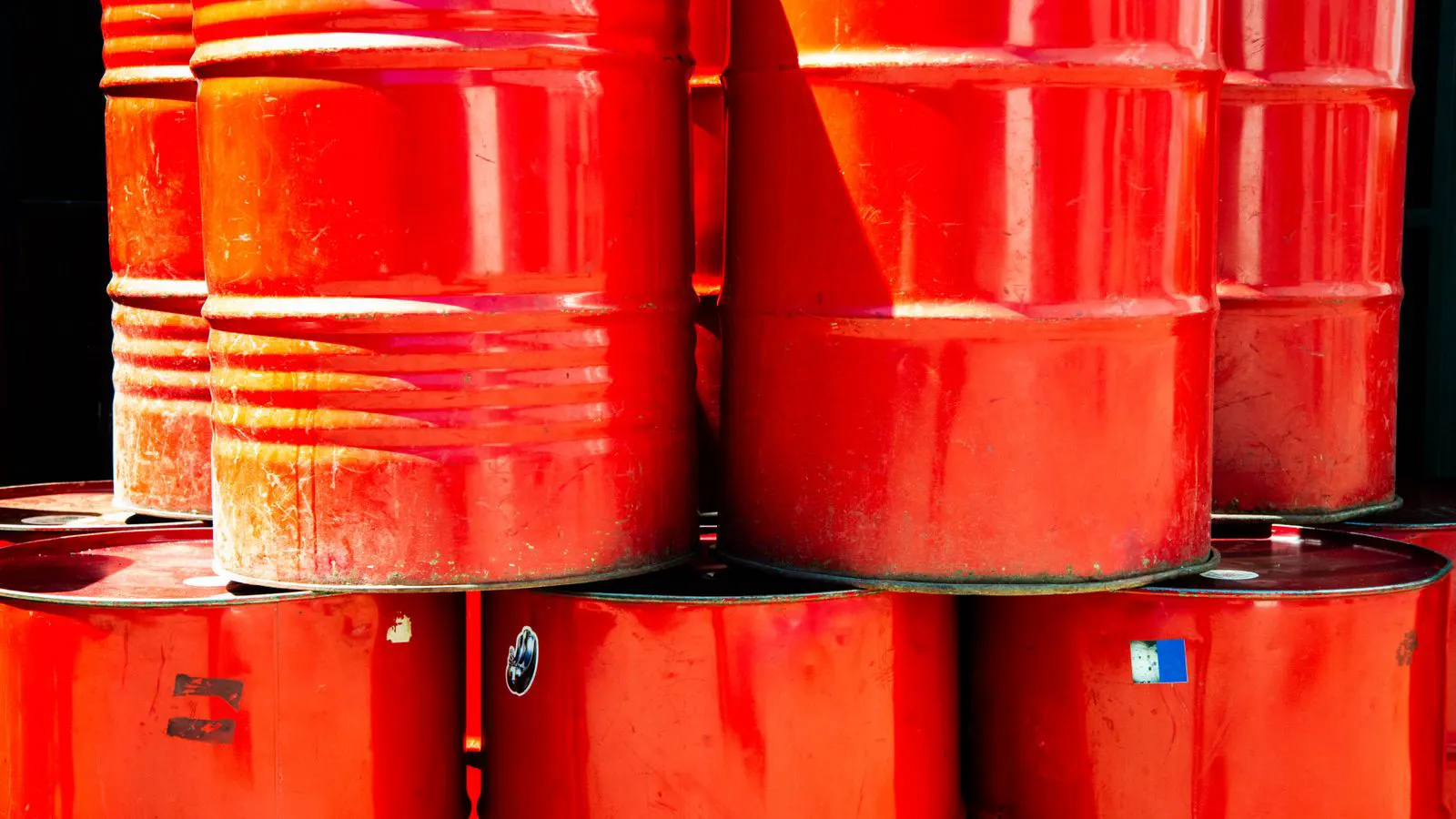
- Inspect the body of each drum, totes, and IBCs for bulging, corrosion, rust, or cracked seams.
- Verify that all lids, valves, and bungs are closed and sealed.
- Check for external leaks at the base of the container and on the pallet.
- Confirm that containers are stored upright. Tilted drums are a fall hazard and a leak risk.
- Look for damage to pallets. Split wood or crushed plastic pallets can shift under load and tip a full container.
Red flags: a puddle that has dried to a crust, a lid that is not fully seated, or a container that has been moved and left with a leaking valve.
2. Secondary Containment
Secondary containment is the first line of defense if a container fails. It is not a formality. It is a physical barrier that must hold the liquid.
- Measure the containment tray or bund. The area must be sufficient to hold the volume of the largest container plus a safety margin.
- Check the depth. The liquid level in a full container must not exceed the top of the containment wall when the container is placed on the tray.
- Verify that the containment material is compatible with the chemical. A polyethylene tray may be fine for hydrochloric acid but unsuitable for certain concentrated alkalis or oxidizing acids.
- Look for cracks, punctures, or chemical degradation in the containment walls.
- Ensure the containment area is not blocked by other pallets, hoses, or debris.
A common mistake is sizing containment by the number of drums rather than the total liquid volume. Two full drums may hold more liquid than a single large IBC. Size for the worst case, not the typical case.
| Containment Type | Typical Use | Check Focus |
|---|---|---|
| Polyethylene tray | Small drums and jerricans | Chemical compatibility and crack inspection |
| Steel bund | Bulk tanks and large IBCs | Corrosion and seal integrity |
| Absorbent pads | Temporary or mobile storage | Stock levels and replacement schedule |
| Concrete floor | Fixed tank farms | Drainage control and spill containment |
3. Segregation and Layout
Acids and alkalis are often compatible with each other in storage, but they are not compatible with everything. The goal is to prevent unintended reactions and to keep incompatible materials apart.
- Separate acids from alkalis if your site policy requires it. Even where local rules allow co-storage, many operators prefer distinct zones to reduce the chance of a mixed spill.
- Keep acids away from bases, oxidizers, flammables, and reactive metals.
- Provide clear aisle space. Operators need room to move a container without knocking over a neighbor.
- Install physical barriers or floor markings where different chemical families are stored close together.
- Store bulk caustic soda and sulfuric acid in separate areas when possible. Their spill responses are different, and their storage conditions can conflict.
Red flags: a new container placed in a random spot without a defined location, or a pallet stacked against a wall with no access for inspection.
4. Labeling and Documentation
A label that is faded, torn, or missing is a direct safety failure. The label is the only information a worker may have when deciding what to do.
- Check that every container has a legible GHS label or the equivalent local label.
- Verify that the label matches the actual contents. A drum repurposed for a different chemical without a new label is a major hazard.
- Confirm that the safety data sheet is available for every chemical stored on site.
- Check that the storage area has a chemical inventory list. The list should match the physical containers.
- Look for documentation of the last inspection of the area. If there is no record, the area has not been formally reviewed.
The safety data sheet is not just a document to file away. It is a working reference. It tells you the PPE to wear, the spill response to use, and the first aid to provide. If a worker cannot find it quickly, the storage area is not compliant in practice.
5. PPE and Personal Protection
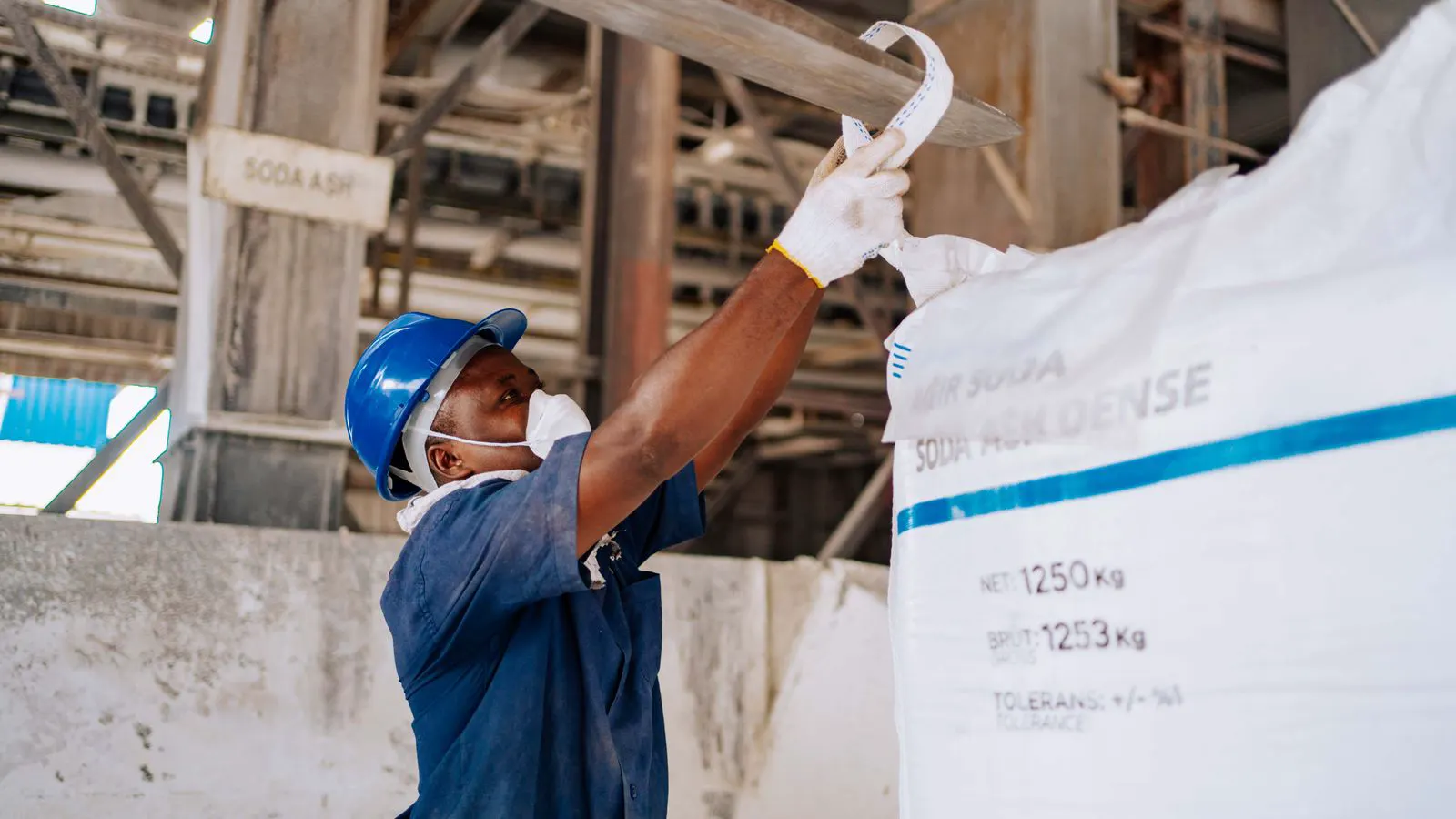
PPE is the last line of defense. It is not a substitute for good engineering controls or proper storage. But it is the first thing a worker will reach for when something goes wrong.
- Check that the correct PPE is available for the specific chemicals stored. Acid-resistant gloves and alkali-resistant gloves are not interchangeable.
- Verify that face protection, such as goggles or a full face shield, is available and not damaged.
- Confirm that chemical-resistant aprons or suits are present for bulk transfer or spill work.
- Look for a PPE station that is clean and accessible. A dirty or missing PPE station discourages use.
- Check that PPE is stored away from the chemicals themselves. Storing acid gloves in a cabinet next to sulfuric acid defeats the purpose.
Red flags: a generic “acid suit” that is used for every chemical, or gloves that are too thin for the task at hand.
6. Spill and Emergency Response
A spill kit is only useful if it is stocked, accessible, and the right size for the chemicals stored.
- Confirm that a spill kit is available for acids and one for alkalis, or a universal kit that covers both.
- Check the contents. Absorbent pads, neutralizing agents, and disposal bags must be present and not expired.
- Verify that the spill area is not blocked by other equipment.
- Look for signage that indicates the location of the spill kit and the emergency eyewash station.
- Confirm that the eyewash station is accessible and unobstructed. The flow must be clear and the supply of water must be reliable.
A common failure is a spill kit that is locked in a cabinet that requires a key. In an emergency, the key is not on the operator. The kit must be accessible without delay.
7. Training and Audit Records
Compliance is not just about the physical area. It is about the people who work in it.
- Check that all personnel who access the storage area have completed training on the specific chemicals stored.
- Verify that training records are up to date. A training record that is two years old may not reflect the current procedures.
- Confirm that spill response procedures are posted or easily accessible.
- Look for a log of inspections. Who checked the area, when, and what was found.
- Check that corrective actions from past audits have been closed out. If a leak was found last quarter and is still there, the audit process is not working.
The training record should match the actual chemicals present. If a new chemical is introduced and no one is trained on it, the area is not compliant.
Acid and alkali storage is not a one-time setup. It is a continuous condition. A container that was fine in January may be failing in October. The checklist is a tool to verify that the condition has not drifted. Walk the area. Check the items. Fix what is broken. Record what you found. That is the work.
Frequently asked questions
How often should I inspect acid and alkali storage areas?
At minimum, before every use and during routine maintenance cycles. Many sites do a daily visual check and a formal inspection monthly or quarterly. The frequency should be set by your site risk assessment and local regulations.
Can acids and alkalis be stored on the same pallet?
It depends on your site policy and local rules. Many facilities separate them into distinct zones to reduce the chance of a mixed spill. If they are stored together, the containment must handle the combined volume and the chemicals must be compatible.
What is the best material for a secondary containment tray?
Polyethylene is common for smaller drums and jerricans because of its chemical resistance and low cost. Steel is used for bulk tanks and large IBCs. The material must be compatible with the specific acid or alkali stored.
Do I need separate PPE for acids and alkalis?
Yes. The required PPE depends on the concentration, the chemical, and the task. Acid-resistant and alkali-resistant materials are not always interchangeable. Check the safety data sheet for each product.
What if I find a leak during the audit?
Isolate the area, prevent the spread, and use the appropriate spill kit. If the leak is large or you are unsure of the chemical, evacuate and call the emergency response team. Do not attempt to fix a significant leak without proper training and PPE.