Alkali dilution adjusts caustic soda strength by adding water. It changes process efficiency, corrosion risk, and logistics. Understanding concentration needs prevents overpaying for delivery and protects equipment.
- Alkali dilution controls the strength of caustic soda solutions before they enter a process line.
- Higher concentration reduces shipping volume but raises handling risk and corrosion potential.
- Lower concentration eases handling but increases transport costs and water usage.
- Sourcing decisions must match the exact concentration required by the plant equipment.
- Dilution points are critical for safety, quality, and cost control in industrial acid alkali systems.
What Is Alkali Dilution in Practice
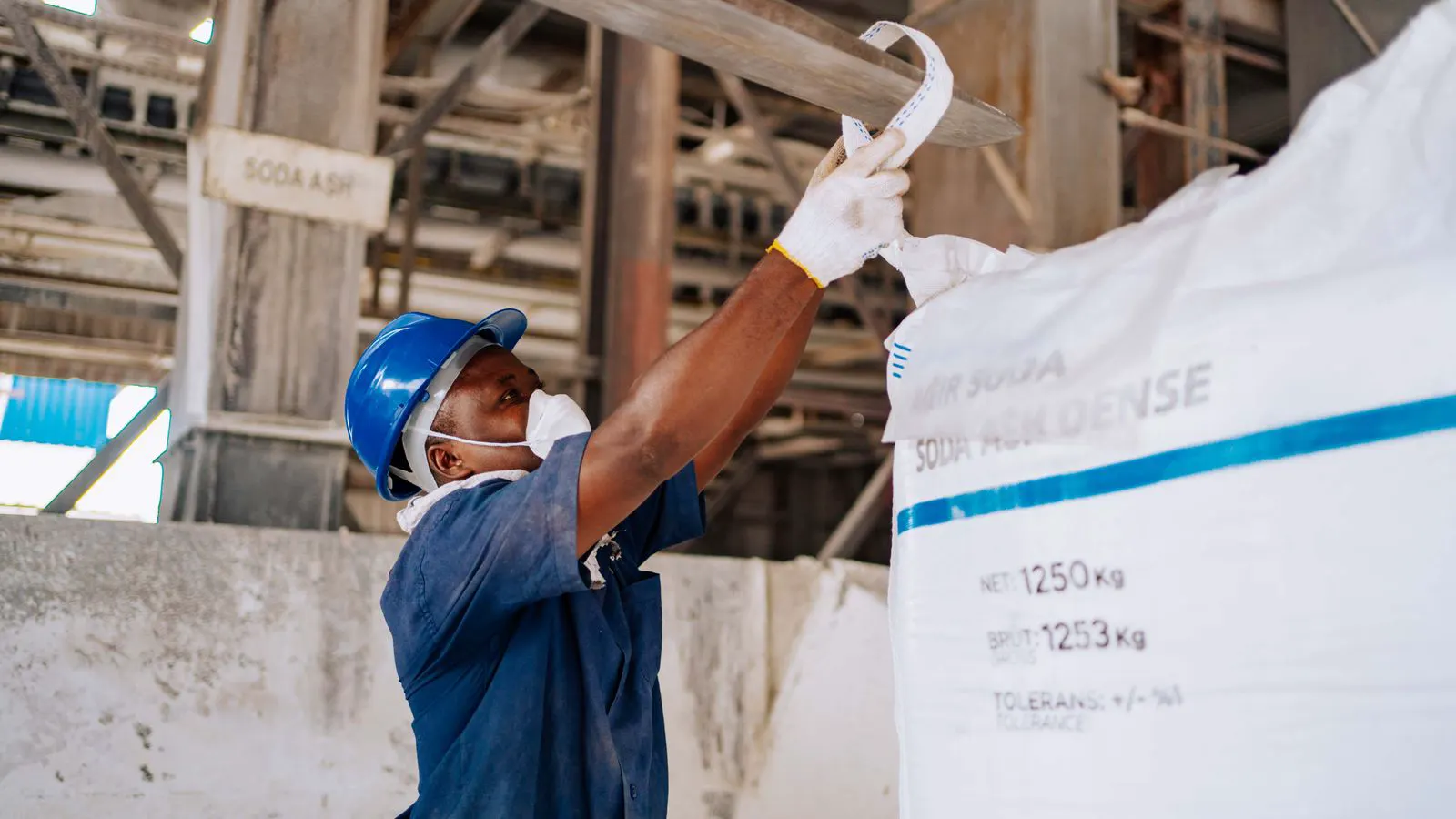
Alkali dilution is the controlled addition of water to a concentrated alkali solution. In most industrial settings, the alkali is sodium hydroxide, commonly called caustic soda. Plants may receive solid flakes, lumps, or concentrated liquid solutions. Dilution turns a high-strength material into a workable liquid for specific reactions, cleaning cycles, or neutralization steps.
The process is simple in theory. A pump moves caustic soda into a mixing tank. Water is added at a measured rate. Temperature is monitored. The final solution is tested and sent to the process area. In practice, small changes in concentration can cause big problems. A solution that is too strong can damage pipes. A solution that is too weak can slow a reaction or waste energy.
Why Concentration Matters for Process Efficiency
Every industrial acid alkali process has a target concentration. The target is set by the reaction chemistry, the equipment design, and the quality of the final product. If the caustic soda is too concentrated, the reaction may heat up faster than the cooling system can handle. If it is too dilute, the reaction may take longer, using more heat and labor.
Consider a pulp and paper plant that uses caustic soda to adjust the pH of a slurry. The process requires a specific strength to bind fibers correctly. If the plant receives a 50 percent solution but the line is built for a 20 percent solution, the operators must dilute it before it reaches the reactor. This dilution step uses water, mixing power, and floor space. It also creates a temporary risk if the mixing tank overflows.
The same logic applies to textile dyeing, where caustic soda activates certain dyes. A stronger solution may strip dye unevenly. A weaker solution may not penetrate the fiber. The plant manager must match the incoming alkali strength to the machine design.
How Dilution Changes Sourcing and Logistics
Sourcing caustic soda is not just about buying the chemical. It is about buying the right form for the plant layout. A plant with limited storage space may prefer liquid caustic soda in tankers. A plant with large on-site tanks may prefer solid flakes that can be stored dry and dissolved on demand.
Liquid caustic soda is usually supplied in concentrations between 30 percent and 50 percent by weight. Solid caustic soda can be stored at 100 percent purity. The choice depends on the plant’s needs.
| Supply Form | Typical Use | Main Advantage | Main Constraint |
|---|---|---|---|
| Liquid caustic soda | Direct process feed | Ready to use with minor dilution | Corrosive during transport |
| Solid caustic soda | High-volume storage | Low storage volume | Requires dissolution equipment |
| Pre-mixed solution | Small batch processing | No on-site mixing needed | Higher per-unit cost |
A plant that runs 24 hours a day may choose liquid caustic soda to avoid the downtime associated with dissolving solids. A plant that uses alkali in small, sporadic batches may choose solid flakes. The solid form can be stored in a dry warehouse. When needed, a small amount is dissolved in a tank and sent to the line. This method uses less capital for storage but requires careful handling of the dust and the heat released during dissolution.
Transport costs are heavily tied to concentration. A 50 percent solution contains half its weight in water. A 30 percent solution contains two-thirds water. Shipping water is expensive. The supplier may charge more for lower concentrations because the truck carries more dead weight. The buyer must calculate the cost of the chemical plus the cost of the water plus the cost of storage.
Safety and Equipment Considerations
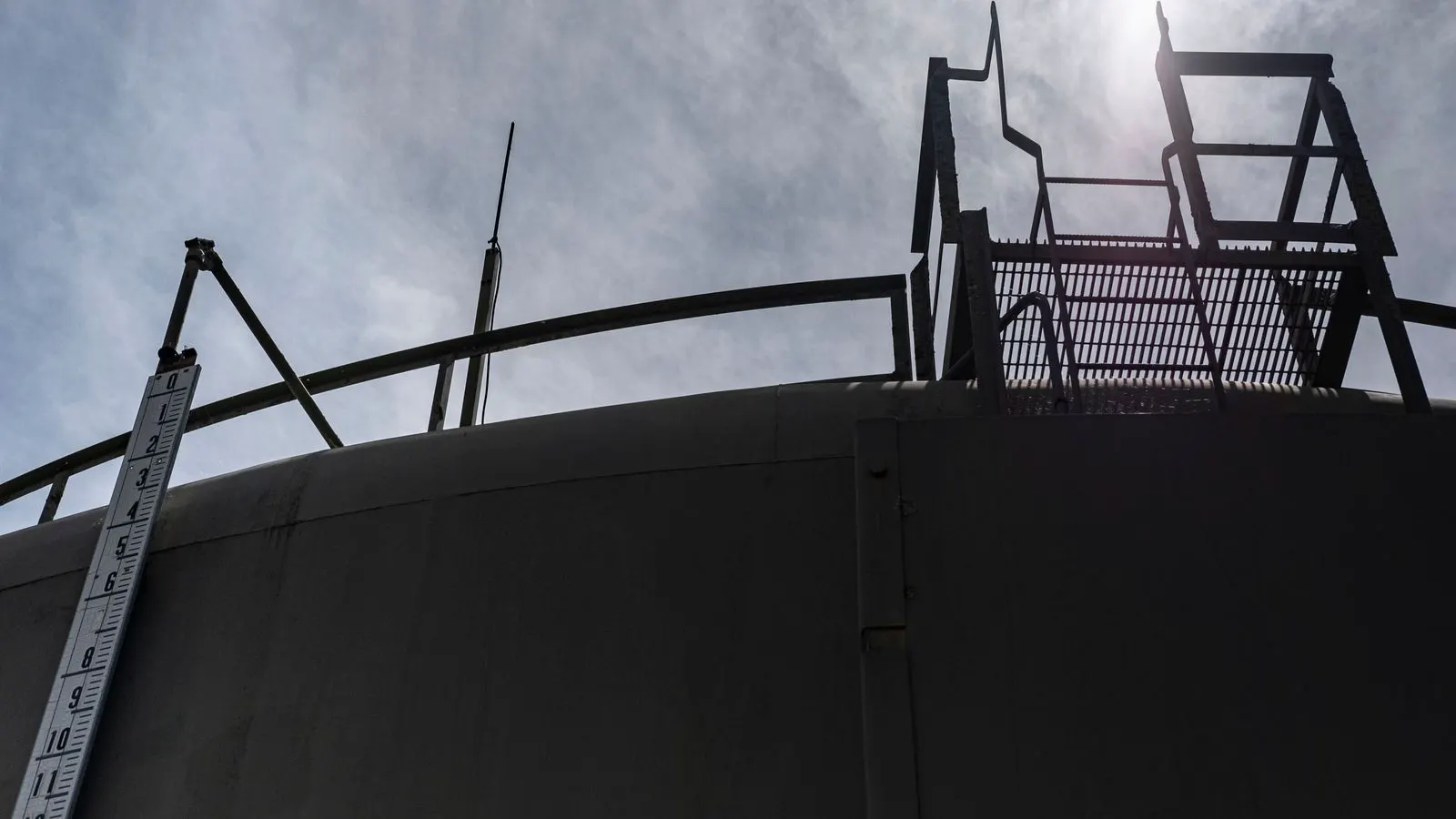
High concentration caustic soda is caustic to skin and eyes. It reacts with water to release heat. This heat can cause thermal burns if the dilution is too fast. The mixing tank must be made of a material that resists the alkali. Stainless steel is common, but the grade matters. Carbon steel corrodes quickly in the presence of alkali.
The piping system must be sized for the temperature of the solution. A hot 50 percent solution behaves differently than a cold 20 percent solution. The viscosity changes. The flow rate changes. If the pump is not selected for the viscosity, it may cavitate or wear out quickly.
Dilution points are also where spills are most likely to occur. The tank, the valves, and the transfer lines are the weak points. A leak at a high concentration area is an emergency. A leak at a low concentration area is a nuisance but still a cleanup cost.
A Worked Example in Plain Words
Imagine a textile mill that dyes cotton fabric. The mill uses caustic soda to raise the pH of the dye bath. The dye recipe calls for a 10 percent solution. The mill buys liquid caustic soda at 50 percent.
The mill has a storage tank that can hold 10,000 liters. The supplier delivers 8,000 liters of 50 percent caustic soda. The mill adds 2,000 liters of water. The result is a 10 percent solution.
The mill saves money on shipping because the supplier delivered a concentrated product. The mill spends money on the water and the mixing energy. The mill also spends money on a larger storage tank because the concentrated product is safer to transport in smaller volumes. If the mill had bought the 10 percent solution directly, the supplier would have charged more per liter, but the mill would have saved on mixing energy and tank size.
The decision depends on the volume. If the mill uses a small amount of caustic soda each week, buying the 10 percent solution might be cheaper. If the mill uses a large amount, buying the 50 percent solution and diluting on site is usually better.
Impact on Industrial Acid Alkali Processes
Many industrial processes involve both acids and alkalis. The neutralization of acid with alkali is a common step in water treatment, chemical manufacturing, and waste management. The concentration of the alkali affects the speed of neutralization.
A strong alkali neutralizes acid faster. This can be good for a plant that needs to treat a large volume of wastewater quickly. A weak alkali neutralizes acid slowly. This can be good for a plant that needs to control the heat release. The heat of neutralization can be significant. If the alkali is too strong, the water temperature can spike. This can damage the biological treatment system or require more cooling.
The choice of concentration must match the process design. A plant that uses a static mixer for neutralization may need a stronger alkali to ensure complete mixing. A plant that uses a stirred tank reactor may need a weaker alkali to control the reaction rate.
Final Thoughts for Buyers and Engineers
Alkali dilution is a practical step that affects the whole chain of operations. It changes the cost of transport, the size of the storage tanks, the type of pump required, and the speed of the chemical reaction. It also changes the safety profile of the plant.
Engineers should not just look at the price of caustic soda per ton. They should calculate the cost of delivery, storage, mixing, and disposal. They should also consider the risk. A higher concentration is not always better. A lower concentration is not always safer. The right concentration is the one that matches the process design and the plant’s operating limits.
Buyers should ask suppliers for the exact concentration of the liquid caustic soda. They should check the density of the solution. They should confirm the material of the tanker. They should agree on the delivery temperature. They should have a plan for the dilution step. These details are small on paper, but they are large on the plant floor.
Frequently asked questions
Can any concentration of caustic soda be used in a process?
No. The equipment and the chemistry are designed for a specific range. Using a concentration outside that range can damage pipes or ruin the product.
Does diluting caustic soda on site save money?
It can save money on shipping and storage, but it adds costs for water, mixing energy, and larger tanks. The savings depend on the volume used.
What is the main risk of high concentration caustic soda?
It is highly corrosive and releases heat when mixed with water. This increases the risk of burns, leaks, and equipment failure.
Why is solid caustic soda sometimes preferred?
It is easier to store in small quantities and does not require a large liquid storage tank. It is useful for plants with limited space.
How does alkali concentration affect acid neutralization?
Stronger alkali neutralizes acid faster but releases more heat. Weaker alkali is slower but easier to control. The choice depends on the treatment system.