Shipping chemicals often stalls due to customs holds, documentation errors, or terminal congestion. This guide lists common symptoms, identifies likely causes, and provides immediate corrective actions. It also offers prevention tips to reduce the risk of future port logistics issues.
- Delayed chemical shipments usually stem from documentation errors, safety classification issues, or terminal congestion.
- Immediate corrective actions include verifying MSDS/SDS data, confirming customs codes, and contacting the freight forwarder.
- Prevention requires early coordination between suppliers, forwarders, and port authorities.
- Keep a clear communication chain to resolve port logistics issues quickly.
- Use accurate shipping paperwork to avoid customs holds.
What causes a chemical shipment to stall at the port?
Shipping chemicals involves multiple handoffs. The vessel arrives, but the cargo does not move to the warehouse. The delay often happens before the truck leaves the terminal.
A shipment can stop because of a missing document, a wrong classification, or a physical inspection. The problem rarely appears only at one point. It usually builds from the first step. A single mismatch between the bill of lading and the customs declaration can trigger a hold. A missing storage permit can leave a container sitting in a bonded yard when the terminal is full.
When you notice a delay, check the source. Is the cargo still on the vessel? Is it in the bonded area? Is it stuck at customs? The location tells you where to act. If the cargo is still on the ship, the issue is upstream. If it is off the ship but not in the warehouse, the issue is local.
How do you identify the delay early?
You need clear visibility. Check the vessel arrival time. Look at the terminal status. Read the customs declaration.
If the vessel is on schedule but the cargo is not released, the issue is administrative. If the vessel is late, the issue is upstream. Do not assume the port is the problem. A vessel can arrive early while the customs paperwork remains incomplete. In that case, the cargo sits idle while the broker corrects a typo in the chemical name.
A common mistake is waiting for the forwarder to call. Check the tracking number yourself. Look for status changes like “Arrived at Port” or “Customs Clearance.” If the status has not changed for two or three days, call the forwarder. Do not wait for a scheduled update. The delay is already costing you.
What are the most common symptoms of a chemical shipment delay?
The table below lists typical signs of trouble. Each symptom points to a likely cause. Match the symptom to the cause before you act.
| Symptom | Likely cause | What to do |
|---|---|---|
| Cargo status shows “Customs Hold” | Incorrect HS code, missing safety data, or incomplete paperwork | Contact customs broker immediately. Provide corrected documents. Verify the HS code against the chemical’s classification. |
| Vessel is on time, but cargo is not released | Terminal congestion or missing storage permits | Check terminal capacity. Request a slot or storage extension. Confirm the forwarder has the correct booking details. |
| Inspection required before release | Safety classification mismatch or suspected dangerous goods | Coordinate with the carrier. Provide updated SDS/MSDS documents. Confirm the UN number and packing group. |
| Truck is scheduled but cargo is not loaded | Terminal gate closure or missing delivery order | Verify the delivery order number. Check terminal operating hours. Contact the terminal operator directly. |
| Shipment status has not changed for days | Communication gap between forwarder, port, and customs | Call the forwarder. Request a status update. Confirm the point of contact at the port. |
| Cargo is released but not moved to warehouse | Warehouse booking issue or missing appointment | Confirm the warehouse appointment. Check for storage limits. Request a revised delivery window. |
What should you do when a chemical shipment is delayed?
Act quickly. The first step is to confirm the exact status. Do not guess.
- Verify the shipment status. Check the vessel arrival time. Confirm the cargo is physically at the port.
- Review the customs declaration. Look for mismatches in the chemical name, quantity, or HS code.
- Check the safety data. Confirm the SDS/MSDS matches the shipping documents. Verify the UN number and packing group.
- Contact the freight forwarder. Ask for the specific hold reason. Request a timeline for release.
- Coordinate with the customs broker. Provide corrected documents if needed. Follow up on inspection results.
- Notify the warehouse. Update the delivery schedule. Adjust storage plans if the delay extends.
Do not wait for the next update. Call the forwarder. Ask for a direct line to the customs broker. Get a name and a time for the next update. If the forwarder cannot provide the hold reason within two hours, escalate.
How do port logistics issues affect chemical shipments?
Port logistics involve many parties. The vessel, the terminal, the customs authority, the forwarder, and the warehouse all have different systems. A mismatch in one system can stop the whole chain.
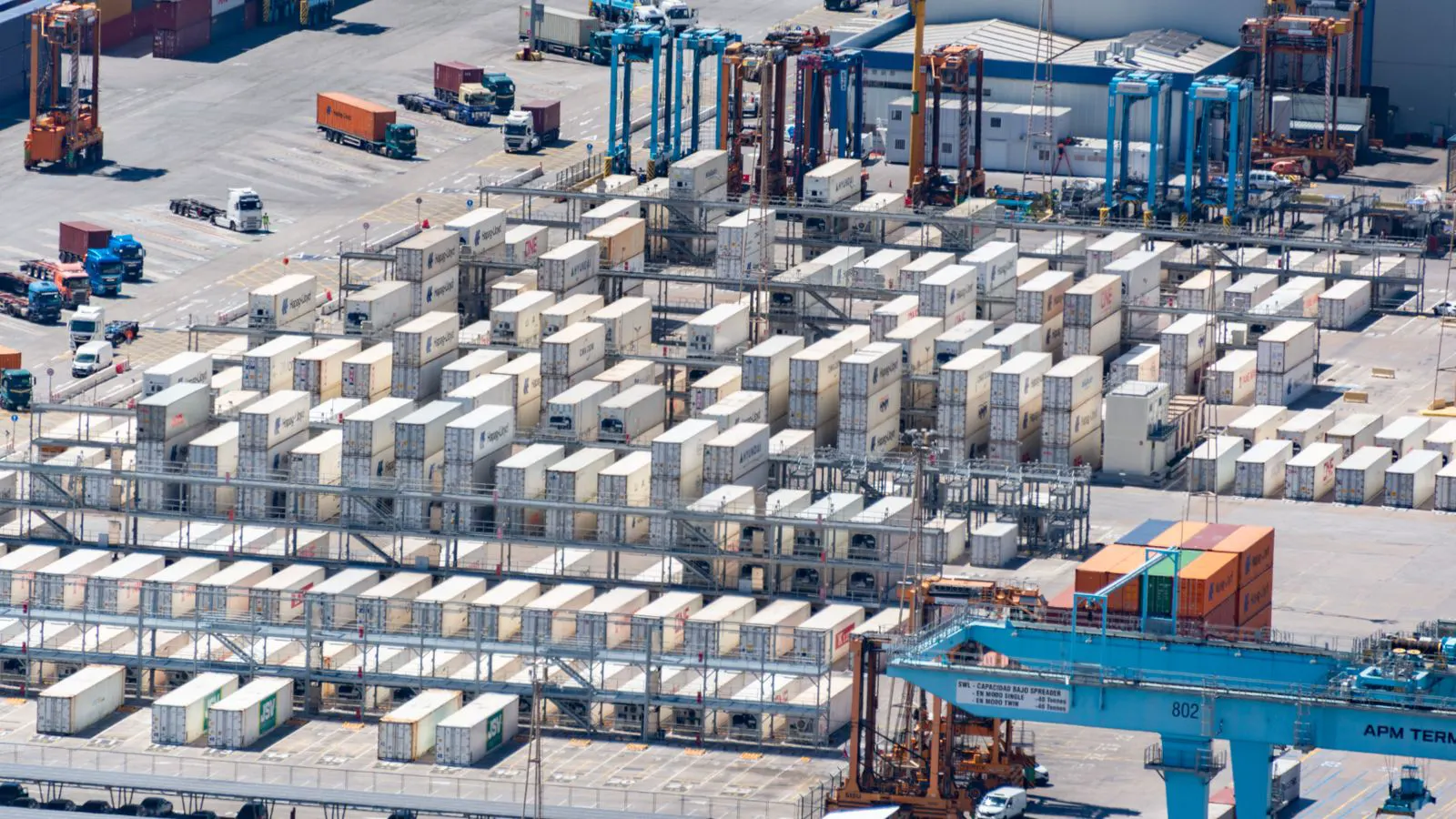
A chemical shipment needs specific handling. It may require bonded storage, temperature control, or segregation from other goods. If the terminal does not have the right space, the cargo waits. A container of flammable liquid cannot sit next to a load of food products. The terminal operator must allocate a specific yard space. If that space is full, the truck turns away or the container stays on the ship.
A common issue is the missing storage permit. The cargo arrives, but the terminal cannot accept it. The forwarder must secure a slot or arrange off-dock storage. If the permit is not in the system, the gate operator will not let the truck in.
Another issue is the gate closure. Terminals close at set times. If the truck is late, the cargo waits until the next morning. This is a small delay. But it can push the delivery into the weekend. If the warehouse is closed on weekends, the cargo waits two days.
What are the best prevention tips for chemical import delays?
Prevention is cheaper than recovery. Start early.
- Verify the HS code before shipping. Confirm it matches the chemical’s classification. Use the correct code in the customs declaration.
- Provide complete safety data. Send the SDS/MSDS to the forwarder and customs broker early. Ensure the UN number and packing group are correct.
- Confirm the terminal capacity. Check the port’s storage limits. Request a slot if the cargo needs temporary storage.
- Coordinate the delivery window. Align the truck schedule with the terminal gate hours. Confirm the delivery order number.
- Maintain a single point of contact. Assign one person to manage the shipment. Avoid scattered communications.
- Keep a buffer. Add extra days to the delivery plan. Plan for customs inspections and terminal congestion.
A small delay in paperwork can become a large delay at the port. The earlier you fix the issue, the easier it is to resolve.
What documents should you always have ready for chemical shipments?
The right documents prevent most delays. Keep them in one place.
- Bill of Lading (B/L)
- Commercial Invoice
- Packing List
- Safety Data Sheet (SDS/MSDS)
- Customs Declaration
- Certificate of Origin (if required)
- Dangerous Goods Declaration (if applicable)
- Storage Permit (if required)
Check the documents for consistency. The chemical name, quantity, and HS code must match across all papers. A single mismatch can trigger a hold. For example, if the invoice lists “Industrial Sulfuric Acid” but the customs declaration says “Sulfuric Acid, Technical,” the broker may flag it for review. Keep the names identical.
Also, keep a copy of the forwarder’s booking confirmation. It shows the vessel, the port, and the delivery window. If the status changes, you can compare it to the original plan.
When should you escalate a chemical shipment delay?
Escalate when the delay exceeds the planned buffer. If the cargo has been held for three days, call the forwarder’s manager. If the customs broker is unresponsive, contact the port authority directly.
Escalation works best when you have facts. Bring the status report, the document list, and the timeline. Ask for a specific action and a time. Do not ask “when will it be ready.” Ask “what document is missing and who is fixing it.”
Do not accept vague answers. Ask for a name, a reference number, and a deadline. If the issue is a terminal problem, ask for the terminal manager. If it is a customs issue, ask for the case officer.
How do you measure the impact of a delayed chemical shipment?
Track the cost. A delay affects production, storage, and customer commitments.
Calculate the daily cost. Include storage fees, overtime labor, and missed production slots. Add the cost of expedited shipping if needed. If the warehouse charges a daily storage fee, that fee adds up fast. If the production line stops, the cost is higher.
Also, track the customer impact. If the delay affects a delivery, notify the customer early. Offer a revised date. This protects the relationship.
Keep a log of delays. Note the cause, the duration, and the cost. Over time, you can see which suppliers, forwarders, or ports cause the most issues.
Use this data to improve your process. If one forwarder consistently causes delays, review the relationship. If one port is always congested, adjust the delivery window.
Frequently asked questions
What is the most common cause of a delayed chemical shipment at the port?
The most common cause is a documentation error. A wrong HS code, missing safety data, or inconsistent paperwork triggers a customs hold.
How long does a customs hold usually last?
A customs hold can last from a few hours to several days. The time depends on the complexity of the inspection and the customs authority's workload.
Can I expedite a delayed chemical shipment?
Yes. You can request expedited clearance or use a bonded warehouse to store the cargo. This costs extra but can reduce the delay.
What should I do if the forwarder is unresponsive?
Contact the port authority or customs broker directly. Provide the shipment details and ask for a status update. Keep a record of all communications.
How can I avoid port logistics issues?
Verify documents early, confirm terminal capacity, and maintain a single point of contact. Add a buffer to the delivery plan to absorb delays.